Category Archives: Travel

Ralph and Winnie Are Not Artists: The legacy of Nova Scotia folk art icons

Ralph Eyre (1917-2007)

“I’m not an artist; I’m not a wood carver!” Ralph was emphatic, “I don’t know how to take a piece of wood and make anything.” With strong calloused hands, Ralph Eyre held a gnarled silver gray piece of driftwood up to the light filtering through a sawdust caked window of the century old shed that was his workshop. “I just see the bird in the wood; I don’t carve it. It’s there.” His finger touched the smooth wood and traced the outline of the neck then the beak. “See, there’s its eye,” his finger pointed to a small dark knot then flowed down a graceful back to the end of its tail feathers. His blue eyes gleamed with a child’s reality of the obvious. This was not a metaphysical moment. The bird was in the driftwood, and I could clearly see its presence. After a dozen years visiting Ralph, purchasing many of his birds, watching him work and listening to his stories, I didn’t just believe him; I saw the bird before his finger touched the wood.

Ralph and Winne Eyre in 2002

For forty years, with the assistance and fierce devotion of his wife, Winnie, Ralph Eyre found over 20,000 birds hiding in the driftwood roots of native Nova Scotia spruce, sumac, white cedar and barberry. I had the great fortune of interviewing Ralph and Winnie in 2002, their last year at the 100 acre farm outside Yarmouth, Nova Scotia. Winnie passed away in 2006 and Ralph followed in 2007 at the age of 90, but their legacy lives on.

Like living birds, no two of Ralph’s driftwood creatures are alike. “It’s nature’s way of imitating art. I just release them from the wood,” he said without pretension. Mounted on exquisite pieces of driftwood, they have found homes throughout North America, Europe, Japan, and “I know there are a few in Vietnam.” With no advertising, Ralph was living proof that it it’s good enough they will come. And they came back to the Eyre’s farm summer after summer, bringing friends, relatives and the friends of relatives. I know; I was one of them. I also know I’m not the only one who gave more as gifts than I kept.
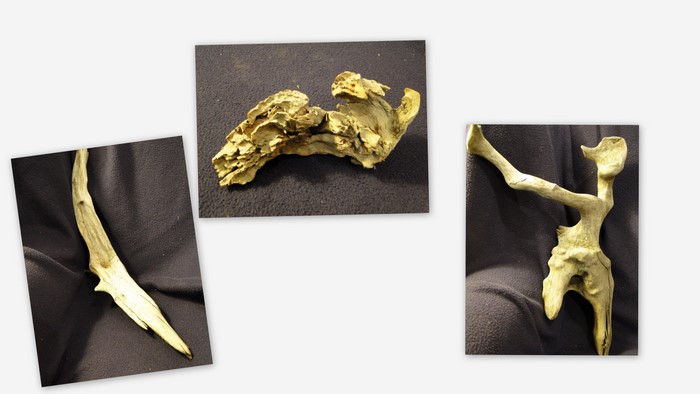
Each bird began its life as a weathered piece of driftwood, 90% of which were tree roots. Ralph became fascinated with the intrinsic beauty of tree root driftwood in the late 1940’s while stationed in the Yukon. He observed the techniques and styles of several First Nation craftsmen. In the late 1950’s, while on a camping trip to Nova Scotia’s Lake Rossignol, Ralph was stunned by the quality and quantity of its driftwood. “It must have been stacked 20 to 30 feet tall on the shore.” While others were looking for First Nation artifacts, “I loaded my canoe. It must have looked like a crazy driftwood freighter.”

As Ralph and Winnie explained the process, I watched their eyes sparkle from both the pleasure they found in their work and the obvious love for each other – when Winnie passed away in 2006 they had just celebrated their 63rd wedding anniversary. Their tools and methods were simple. “I start with collecting tree roots that have been submerged in the lake maybe for 30 or 40 years. They’re dead but preserved. Many are riddled with worm holes. That gives them character and texture.” For at least a year hundreds of pieces lay on long wooden tables outside his workshop drying in the sun. He studied a seasoned piece of wood, discovered the bird and traced its outline using a black crayon. Depending on the size of the piece, he used a chain saw and/or hand axe to cut away the wood trapping the animal. A wood rasp and disk sander was applied to reveal its form. Winnie then joined the process by hand sanding, giving each piece a smoothness that rivals silk and highlighting the subtle shadings of color and grain unique to each piece of wood. After applying sanding sealer and roughing the surface slightly with steel wool, she used ordinary neutral Kiwi shoe polish that added a soft, rich glow. “No verithane,” Ralph said, “too glossy.”

Another piece of driftwood was carefully selected to provide the base. Nothing was altered on this piece, “I want a polished bird on a natural wood base. Maybe it’s a single bird resting, or ready to take off, or a family with the daddy bird off to the side protecting the mother as she looks at her eggs.” Eggs were beautifully painted nodules of sea kelp resting in a nest of hay in a natural hollow in the wood. “Selecting the right piece of wood for the base is important”, Ralph added, “It gives the bird a story.”

seal resting on the shore

Stories were important to Ralph and Winnie. A back room of their barn/showroom was the “museum.” They discovered more than just birds in the wood. On one table was an exquisite driftwood shoe complete with the Old Women and all her children. Within a wire cage was a driftwood tree with dozens of swinging monkeys from its branches. A collection of mermaids and sea animals sun themselves on ocean worn rocks.  An entire circus train with each wooden carriage containing animals is now part of the permanent folk art collection of the Art Gallery of Nova Scotia – the premiere museum in Halifax. None of these were ever for sale, but I knew more than one child that was gifted with a dinosaur or lizard while their parents perused the hundreds of birds on display.

Mermaid and sea animals sunning on the shore

Ralph’s vision didn’t stop at animals. He discovered the perfect piece of driftwood, weighted with just enough embedded rocks to make a fascinating lamp base. Or the correct oval piece, with a slight indentation, for a free form fruit bowl.

Their playfulness and joy in living makes using the term “National Treasure” trite, and they would have been embarrassed if I had insisted on that title. Yet the prices that they placed on their creations were an embarrassment.  After 40 years (late 1950s – early 2000s) and 500 works of art per year, the average prices ranged from $10 to $25. On many occasions Ralph would tell me that few people would want to pay more for his simple birds. When I ask again, “Why do you sell the birds for so little?” Winnie jumped right in without hesitation and with genuine enthusiasm, “Because of all the people who come and visit us! We love the people. We get cards at Christmas from all over, and they come back and bring their friends. It’s just wonderful! They might not come back if we charge more.”

Many a business person would question this economic wisdom, but for Ralph and Winnie Eyre, they saw a treasure hiding in the driftwood that few people will ever discover – the secret to a life fulfilled through the sheer pleasure of following their passion.

log cabin on small lake Ralph built for picnics on their Yarmouth farm

Church Keys are going extinct but not Clarissa Dillon: Colonial cooking in the 21st century

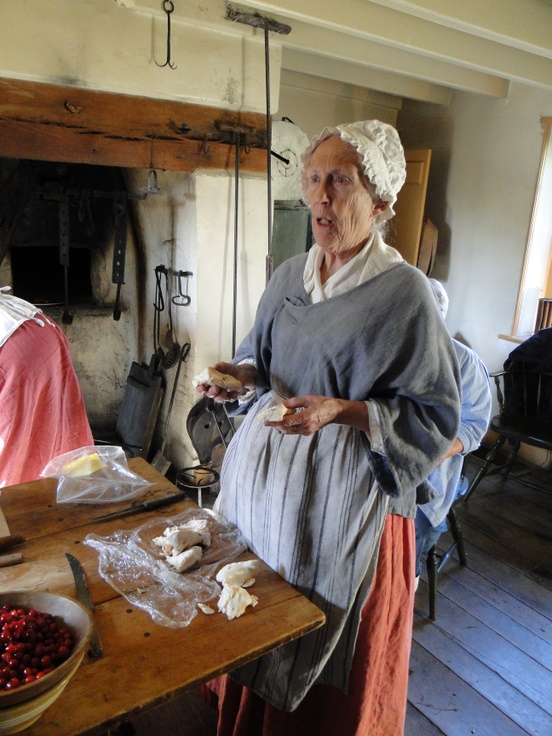
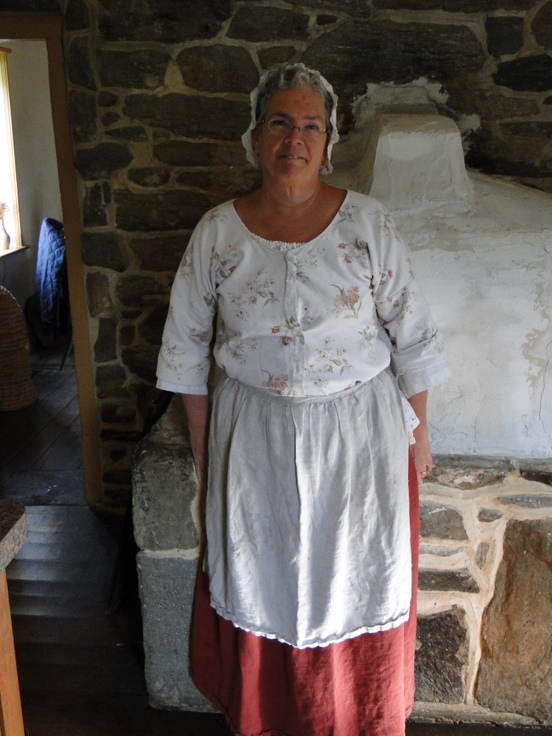
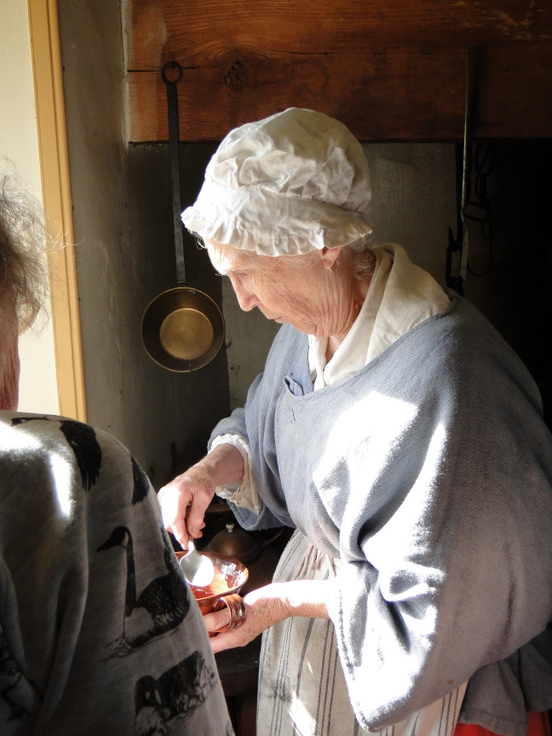
The fire’s roaring in the kitchen of the 1696 Thomas Massey House, trying to take the chill out of the beautiful autumn morning in this 17th century stone house. Eight of us are gathered around a colonial cooking icon – Clarissa Dillon, Ph.D.  I’ll refrain from using the word “legend” since I heard one well known Philadelphia chef recently reject that term when applied to him saying, “I can’t be a legend; I’m not dead yet.” Neither is Dr. Dillon, an octogenarian who next year on her annual trip to the British Isles will study whiskey distilling in Scotland.

Clarissa Dillon, Ph.D.

Clarissa is one of the foremost authorities – and she’ll freely say still a “student”- of 18th century American Colonial cooking, farming, gardening and household activities. I’ll leave all the details to your exploration of her web site. Needless to say, she’s a stickler on authenticity – writing, editing and traveling extensively to get the facts and set the history books straight.

A life-long teacher, she conducts seminars, cooking and gardening classes at many 18th century historic homes that are the legacy of William Penn’s Pennsylvania colony – Pennsbury Manor, the Wyck and Morris Mansions, Pottsgrove Manor, Anselma Mills, Ephrata Cloister just to name a few.

Thomas Massey House, 1696

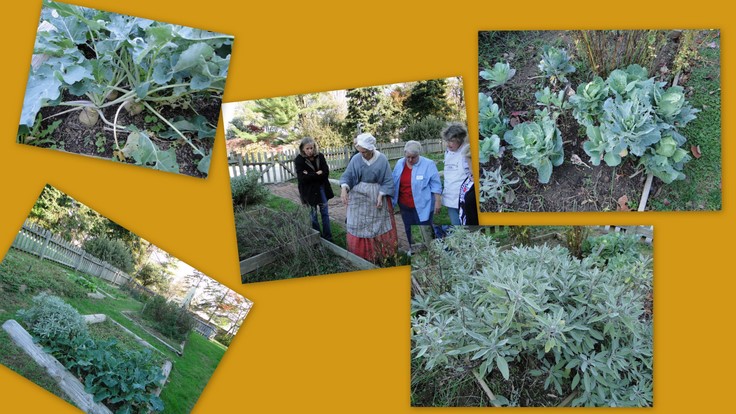
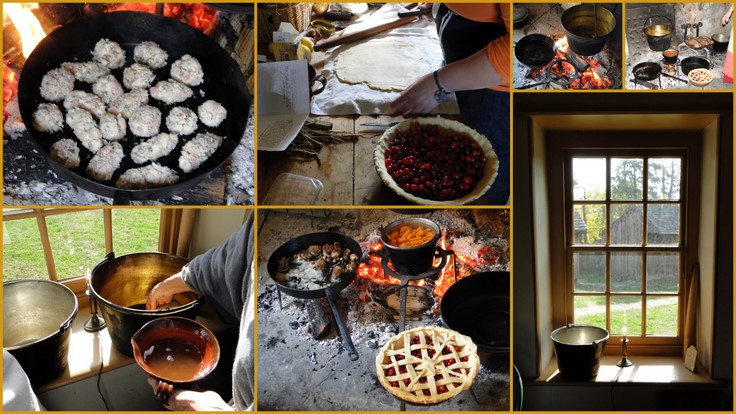
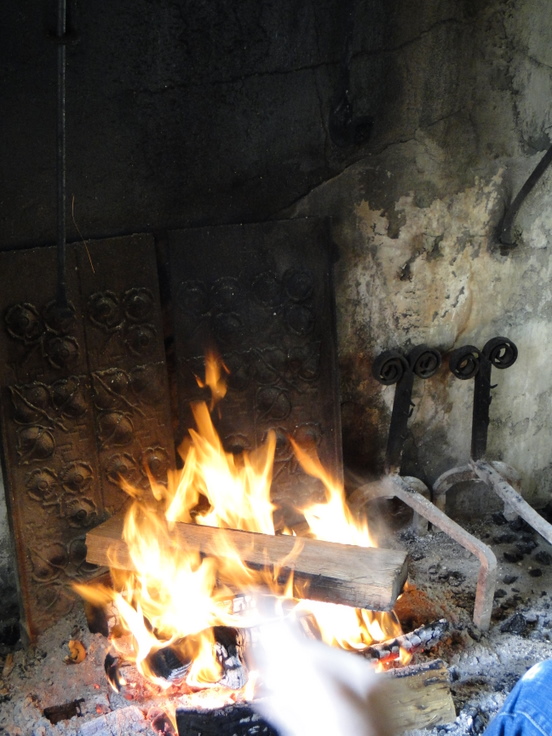
On this Saturday morning we are learning about, and preparing, an autumn dinner on an open hearth using 18th century utensils with vegetables and herbs from the Massey House garden.

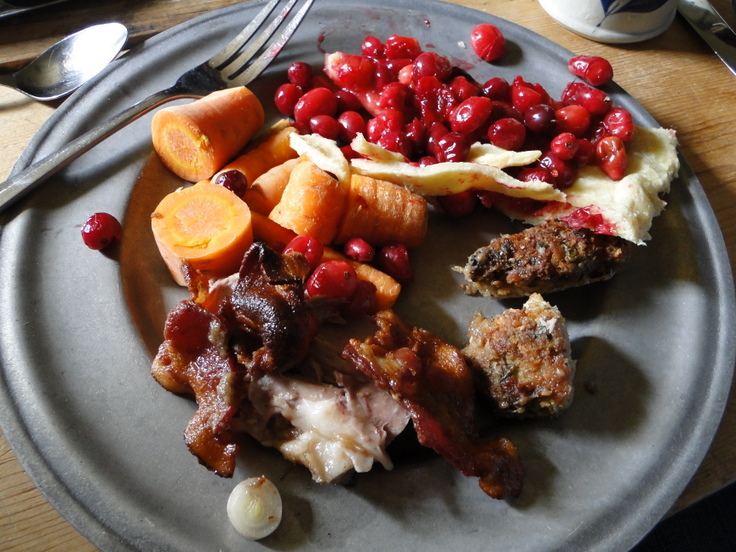
Stewed duck with bacon and veal forcemeat

Boiled Carrots

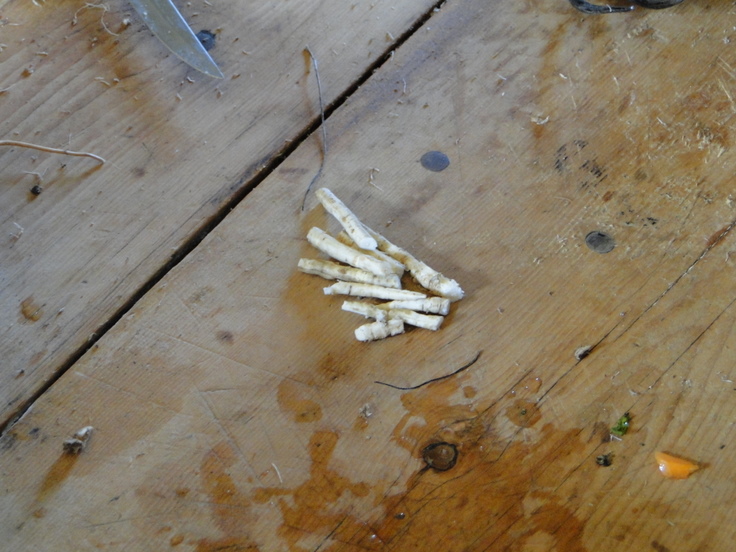
Boiled Scorzonera

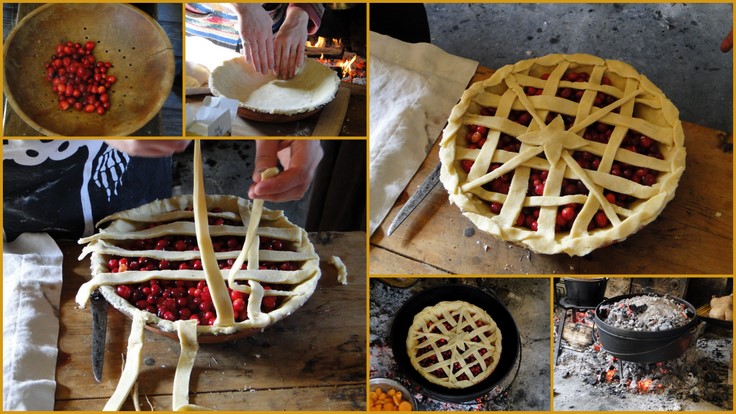
Cranberry Pie

Hard cider

It’s confusing at first when I hear the word “receipt” used instead of recipe, but our modern word is, well, 20th century. For years, receipt meant cooking preparation instructions as well as accounts, and even Dr. Dillion says it’s often confusing until she sees the actual document.

Colonial American receipts were, for the most part, English, which makes perfect sense. After all, we were English colonies with very English sensibilities. Catherine Brooks, The Complete English Cook, 1762, was one of the popular sources for Colonial kitchens.

Brooks’ receipt for Stewing Ducks Whole: (all receipts are written in 18th century format)

Draw your ducks (pluck the feathers, etc.) and wash them clean, then put them into a stew-pan, with strong Broth, Anchovy, Lemon-peel, whole Pepper, and Onion, Mace and red Wine; when well stewed, put one piece of butter and some grated bread to thicken it; lay force Meatballs and crisped bacon round them and garnish with Shallots.

To translate: for 8 servings – 2 to 3 whole ducks covered with water or chicken stock. Add 5 to 6 chopped anchovy filets, peel of one lemon, 12 – 15 whole pepper corns, and one large onion chopped, 1 t. ground mace, and 1-1/2 cups red wine. Simmer until ducks register 165 degrees with a meat thermometer. Remove the ducks from the stock and keep warm. Strain the stock. Skim as much fat as possible. (If you prepare in advance, refrigerate both the ducks and the stock overnight. All the duck fat will solidify on the top and you can simply remove it.) Return to the fire, or stove, and add 1 to 2 cups of bread crumbs and ¼ pound of butter. Simmer until thickened.

Anchovy fillets, and other small salted fish, had been used since pre-Roman days as a salt substitute. Until the 19th century, salt was an expensive item commonly used for food preservation, not in a bowl on the dining table unless you were very rich!

Catharine Brooks’ Veal Force-meat Balls:

Take half a pound of suet, as much veal cut fine, and beat them in a marble Mortar or wooden bowl; have a few sweet Herbs shred fine, and a little Mace dried and beat fine, a little lemon-peel cut very fine, a small Nutmeg grated, or half a large one, a little pepper and salt, and the Yolks of two eggs; mix all these well together, then roll them into little round balls, and some in long ones; roll them in flour, and fry them brown.

To translate: for 8 servings – I’d use 3/4th  pound each suet and ground veal. Buy suet from a butcher or good grocery store (DO NOT use suet for birds!!!) and chop very fine in a food processor. Add 1t. crushed dried thyme, 1 T. fresh minced parsley, 1/2 t. nutmeg, ¼ t. mace, ½ t. grated fresh lemon peel, ¼ t. each salt and pepper and the egg yolks. Roll into balls and coat with flour or bread crumbs. Fry in butter.

Bacon: Cut half a pound of sliced bacon into thirds and fry until crisp.

Presentation: Arrange the ducks on a platter, arrange the meatballs and bacon around the ducks and sprinkle with 2 sliced shallots. Serve the gravy in a separate bowl.

Stewed duck with veal force meat and bacon

In the 18th century, pies were generally thought of as savory dishes whether made from beef and kidneys or fruit. Ann Peckham’s 18th century Cranberry Pie was meant to be served as a side dish. As a counter point to the richness of the Duck dish, the tart cranberries and flakey crust were terrific. In the 18th century, the crust was frequently so thick it was not meant to be eaten. It served as the “dish” from which the filling was spooned out.

Cranberry pie

Ann Peckham’s Cranberry Tart:

 Roll a sheet of tart paste, put it into your dish, boil up some cranberries with loaf sugar; when cold put them in, and trellis them over with the puff paste, cut a border out to lie round your dish, and bake it.

To make the paste for tarts: Take a pound of flour, and half a pound of butter, rub the butter into the flour, two eggs, and a little water, and make it into a paste.

To translate: Make the filling by combining 1-½ pounds of fresh cranberries and 1 to 1-½ pounds of sugar. Place on the fire, or the stove, and bring to a boil. Simmer for 10 to 15 minutes. Drain through a colander. (Reserve the liquid, if you wish, adding ½ to 1 pound more sugar. Bring to a boil until reduced by half, and you have a cranberry syrup to use on pancakes, etc.)

For the crust: Cut the butter into the flour either with two knives, a pastry blender or in a food processor. In the bowl, using clean hands, lightly rub the flour and butter together to coat the flour with the fat, BUT don’t knead it together like bread. The heat in your hands will melt the butter and toughen the dough. Add the eggs and combine with a fork. If the mixture is not combining into a ball sprinkle in a little ice cold water just until the dough forms. Roll out 2/3’s of the dough and line a deep pie pan. After the cranberries have cooled to room temperature, pour into the crust. With the remaining 1/3 of the crust, roll out and cut into strips making a lattice design on top of the pie. Place into an oven at 375 degrees for 45 minutes until the crust is golden brown.

 If baking on an open fire, place the pie pan into a cast iron Dutch oven and cover with the lid. Place on the coals of the fire, or better, on a cast iron trivet above the fire, and cover the top of the lid with coals. Rotate the Dutch oven after 20 minutes. Check the pie after 40 minutes by removing the coals from the top of the lid and checking to see the color of the crust.

Serve the pie as a side dish to the duck.

top left: whole scorzonera, top right: trimmed, bottom left: cleaned, bottom right: fresh carrots
from the above raw amount, this is the quantity of scorzonera ready to cook

Carrots are carrots and even in this very late October day, they were still fresh in the garden. Scorzonera though is something else and you’ll not find it in any market. You have to grow it yourself. Known in England as Viper grass, its root is the only edible part, but it’s a very thin root. After scraping the skin off, what you have are very thin pieces of a root vegetable which was fried or steamed and frequently cream and butter were added. Its flavor is akin to a mild carrot. In the 19th century it fell out of the general cooking repertoire and was replaced by parsnips. Since the amount was so small we simply added them to the carrots and simmerd both over the fire for about one hour.

Hard apple cider was the beverage of choice for the common English/Colonial person for most meals and the major reason for cultivating apple trees in the first place.

As delicious as this dinner was, more fascinating were the tidbits of knowledge I was able to absorb at this first class.

The green tops of the carrots were used as a wool dye. After boiling, the wool turns yellow.

Claret, a common wine in English receipts, is French Bordeaux.

Suet for all recipes is the thick layer of creamy white fat that cushions the kidneys.

the kitchen garden

Kitchen gardens were first created by the Dutch and not adopted in England until the 16th century, even then only the affluent had extra land around their houses for a garden. Most kitchen gardens were for medicinal purposes – sage, turnips and potatoes being among the many forms of produce used for medicine. The average person gathered wild herbs, green onions in the spring, nuts etc. for cooking until the 19th century.

American colonial cooking was not in any way influenced by the Native American diet – with the exception of common vegetables such as corn.  Native Americans, considered savages, were ignored and condemned. John Bartram, the famous 18th century Philadelphia medicinal gardener grudgingly served as a go-between with the Onondaga  in order to increase his knowledge.

The Colonial diet was as far from organic, vegetarian and low-fat as one can imagine. Human manure was commonly used as fertilizer. Meat was devoured especially in winter and copious amounts of fat were used in all dishes.

Cheese was a summer substitute for meat since cattle was not slaughtered until winter – they needed the summer to fatten. Cheese and butter were made in late spring and summer when the grass the cows were munching on were free from spring onions and other weeds that would taint the milk sour. Most cheeses were of the soft, fresh variety. Obviously the wealthy could afford to preserve or import high quality, and harder, English cheeses such as cheddar.

Because hearth cooking made it difficult to keep food hot while waiting for the remainder of the meal to cook, dishes were frequently eaten at room temperature which often does not detract from the flavors. All dishes would be placed on the table at once – even those deemed “sweets.”

A very wealthy household with many servants frequently served three courses with an average of 20 – 25 different dishes per course – “buffet style.” Meats, fish, seafood,  vegetables, pies and puddings would all be part of each course. The first course would be “hardy” – beef, etc. Second course lighter – chicken, small birds, etc. The dessert course usually consisted of fresh and dried fruits, nuts and chocolate coated nuts.

Wine was made from everything including turnips and parsnips and brewing beer was part of every houshold and farm. “Fresh water” for drinking was an anomaly. Wherever there were towns and farms, lakes and streams were polluted with human and animal waste.

This is just the proverbial “tip of the ice berg” when it comes to my knowledge of 18th century food preparation, but it was sufficient to make me desire more!

Pat Martin

The Thomas Massey House hosts authentic Colonial dinners, by candlelight, several times during the year, check their web site, and will host a Christmas house event on 11 December 2010 highlighting the food of the various ethnic groups that comprised Penn’s colony. Pat Martin is the very capable, and overly modest, chef of these dinners.

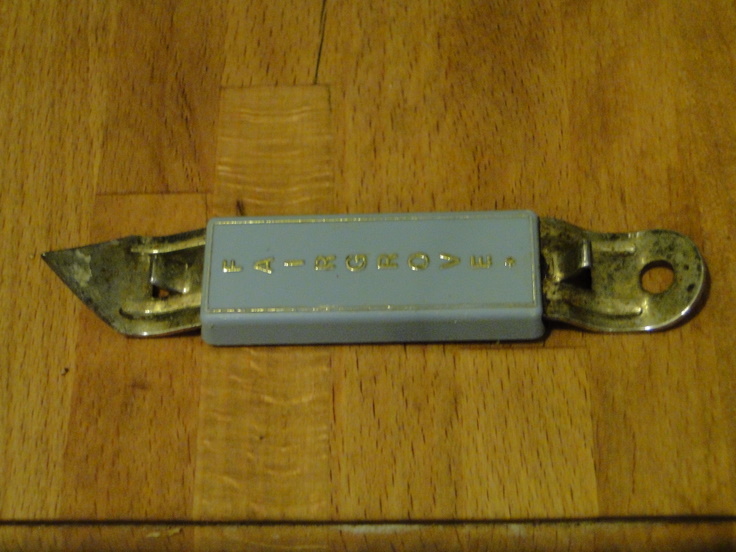
a "church key"

Oh…the church key. Clarissa said it soon will cease to be manufactured because few liquids these days are canned that necessitate the punch section of the opener. Except that in Colonial cooking, items such as canned milk are necessary. She urged that we all stock up on this simple and effective tool. Nothing, including Dr. Clarissa Dillon, ever loses its usefulness!

Sandy Hook: A Gateway to pristine beauty (and ghosts?)

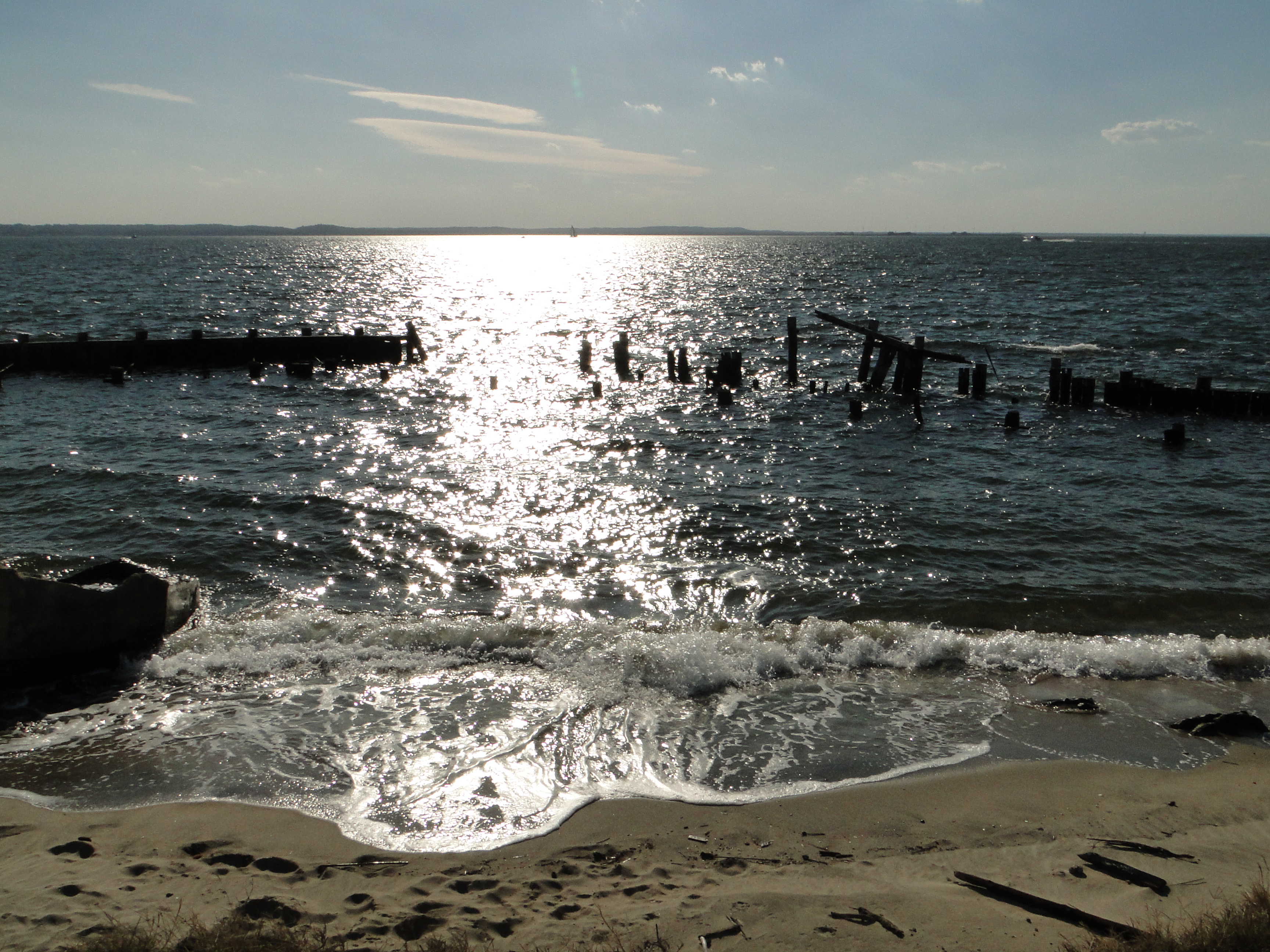
Sandy Hook Bay

We are driving on a sliver of land – a sand bar really – with the Atlantic Ocean and Sandy Hook Bay visible to our right and left. It’s a beautiful October day, breezy, bright sunshine, kite surfers in wetsuits and even one man swimming in a low 60 degree ocean. The beach is autumn empty, no crowds. The dune grasses glint golden in the sun. The leaves of low lying shrub plants are painting the seashore hues of red/purples and yellow/greens. Off in the distance, through a light haze the skyline of lower Manhattan, Staten Island, the Verrazano Bridge, Brooklyn and Rockaway Beach are all visible. Yet there are no “Mc Mansions”, or any beach house in sight for this is the protected land of Gateway National Recreation Area on the Sandy Hook.

(Bottom Center) Visitors Center for Gateway National Recreation Area


high speed ferry from Manhattan

Less than an hour drive from New York or a 40-minute high speed ferry ride from Wall Street, Sandy Hook has long been a playground for New Yorkers and Northern Jersyites. Yet only two-hours from Philadelphia, it remains a virtual unknown area for many Pennsylvanians (isn’t New Jersey from Atlantic City to Cape May?). The North Jersey coast is thick with forests, colonial villages, craggy cliffs and wide beaches.

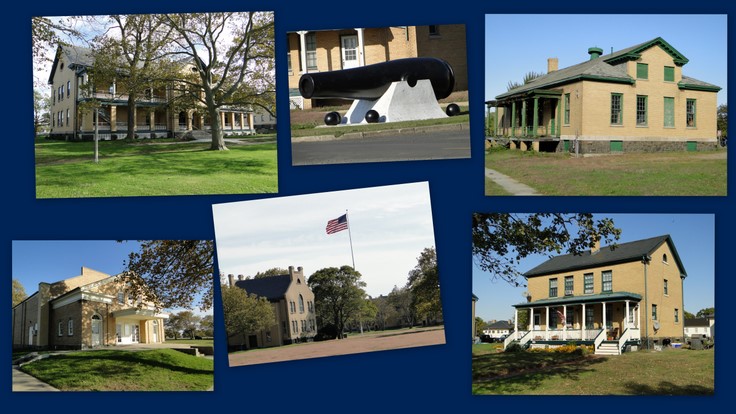
Fort Hancock: restored & unrestored (bottom left: Theater)

Towards the end of the seven miles, Fort Hancock comes into view. From 1898 through the 1970’s the Hook was not always sparsely populated. During the Second World War, this end of the sand bar held a population of 20,000. Named in honor of civil war General Winfield Scott Hancock, construction on the Fort started the same year as the Spanish-American War (1898) and America’s acquisition of an overseas empire. The fort is a sprawling complex of handsome Colonial Revival buildings constructed from distinctive, local pale yellow bricks. It was a small town from the beginning with a theater, recreation facilities, clubs, church and, of course, housing. Enlisted men lived in large barracks, but married officers enjoyed spacious houses.

Officers Row

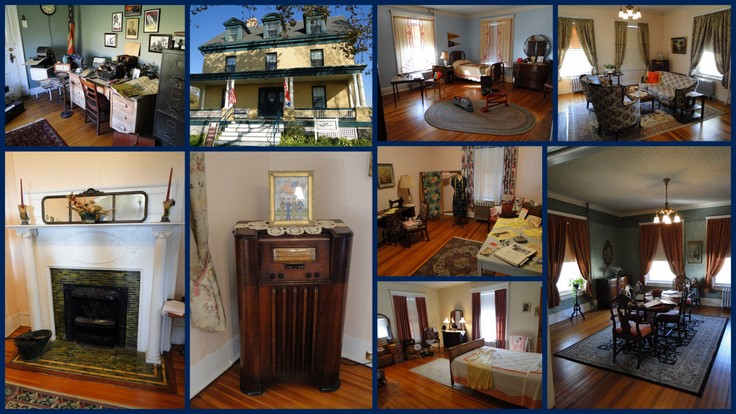
Officers Row consists of 18 waterfront houses ranging in size from 5,000 to 6,500 square feet. They were built at a cost of over $8,500 each in 1898 ($250,000 in 2010 dollars) with all the modern and decorative features of the day including fireplaces faced with tiles from Portugal. One – History House – is fully restored and furnished to reflect the life of an officer’s family during the Second World War years of the 1940’s. Excellent weekend tours are conducted by volunteers from 1:00 – 5:00 PM.

History House: restored 5,500 sq. ft. officer house

 Naturally I found the kitchen interesting. An original Frigidaire refrigerator and Kelvinator stove are in working order allowing History House to host receptions utilizing this spacious kitchen. A walk through pantry connected the kitchen to the dining room. A unique item is the dining room’s steam radiator that was constructed with a food warmer top section! A servant’s staircase just off the hallway outside the kitchen attests to an era when the middle/upper middle class could afford hired help.

History House 1940 Kitchen (bottom left: radiator/food warmer)


Unfortunately, due to lack of funding, most of the remaining houses have fallen into disrepair and face an uncertain future. It’s ironic that these solid yet graceful structures with their stunning views of Sandy Hook Bay would be worth millions anywhere else on the Jersey shore.

Many structures within the Fort serve the National Park’s work in administering the Sandy Hook seashore, historic lighthouses, some staff housing, as well as offices for NOAA (National Oceanographic and Atmospheric Administration). Fort Hancock is also home to the Marine Academy of Science and Technology, a four year high school operated by Monmouth County Vocational School District.

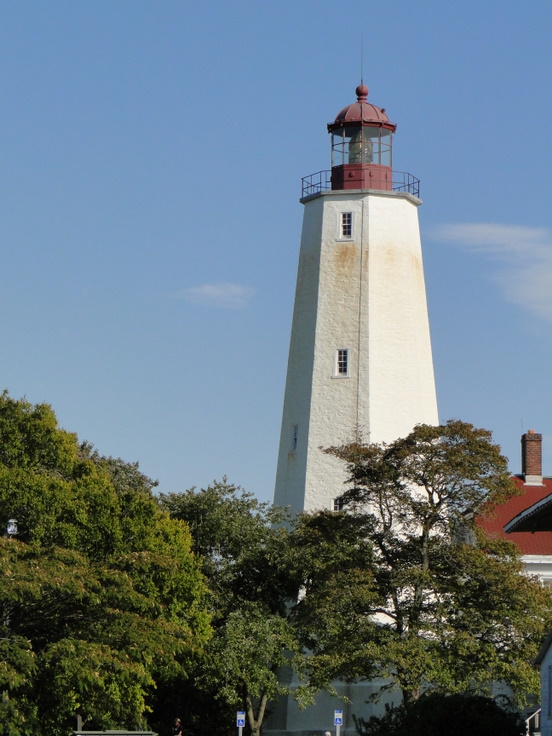
Sandy Hook Lighthouse: 1764 (oldest USA lighthouse still in use)

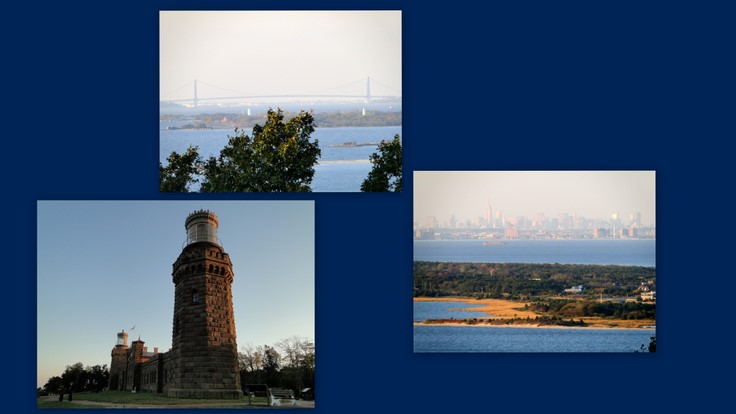
Yet walking the grounds past abandoned houses in the quiet of an autumn day is a melancholy experience. I have no idea if ghosts exist, but I can imagine they might, given the colorful history of Sandy Hook. Its lighthouses protected New York harbor from its earliest days in the 18th century both in war and peace. The Hook and protective cliffs of the Highlands harbored both busy commercial and fishing fleets as well as pirates and smugglers right through the Prohibition years of the 1920’s and 30’s. High up on the Highlands stands a unique 1862 “castle”, the Twin Lights of Navesink, a  national historic site under the state park system. The lights no longer function but provide a commanding view. There is a nice museum, picnic tables and it’s possible to climb to the top of the north lighthouse. An 18th century cannon, found on the grounds, attests to the hill’s use by pirates as well as during the American Revolution – although that time it was loyalists protecting the British occupation of New York City.

Twin Lights with views of Sandy Hook, Manhattan & Varrazano Narrows Bridge

The town of Highlands is an affluent community with a bustling harbor front still devoted to fishing, although today the fleet is more pleasure craft than commercial. It’s not all gentrified either with the harbor lined by a jumble of businesses, restaurants of different types and modest houses.

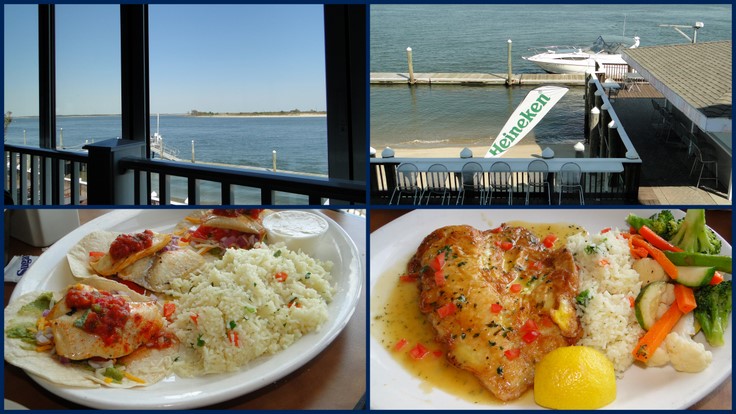
Two of the dozen or so restaurants stand out. Doris & Ed’s serves elegant seafood dishes in a relaxed atmosphere with beautiful bay views in a renovated 19th century former hotel. It is well established after over 30 years, but its preparations, presentations and quality remain high and have not gone stale by success. Prices are high, but fair, with lunch/dinner for two with wine/drinks easily in the $125 – $150 range. The Windansea is an equally good choice with great bay views and an even more relaxed environment. It has a dock right in front allowing boaters to tie up and walk right to the restaurant. In the summer there’s a lively outdoor bar/dining area. Preparations, presentations and quality are nearly as high as Doris and Ed’s but the prices are less expensive. Lunch/dinner for two with wine/drinks will run in the $50 – $85 range. For lunch we had Fish Tacos topped with a good salsa and Tilapia Francaise that was lightly battered with a flavorful lemon wine sauce. Both entrees came with a nicely seasoned rice pilaf. A salad of spring greens, walnuts, dried cranberries and crumbled blue cheese was generous and dressed with good balsamic vinaigrette.  Both establishments serve only fresh fish and seafood – never frozen – and do offer meat dishes as well.

Windansea Restaurant (Top: views, Bottom: Fish Tacos & Tilapia Francaise)

Unlike the beach towns of South Jersey, North Jersey doesn’t close up during the off-season. Its proximity to New York has ensured year round life and a permanent population the southern towns don’t enjoy. So, Philadelphians, get out and discover beautiful, vibrant, peaceful destinations a mere 1- ½ to 2 hours from your driveway.

Of Brussels Sprouts and Scarecrows


 What you say? Brussels Sprouts are scary?

Brussels Sprouts fresh on the stalk

Too many people over cook vegetables to death leaching out all the sweetness. Many green vegetables, especially the cabbage, contain an element (glucosinolate sinigrin) that will remain no matter how long you kill them by overcooking. That element gives off the sulfurous taste and smell that most people hate when it comes to the cabbage family. Yet why do people love raw cabbage in slaws? No one has ruined it by over cooking and releasing the glucosinolate sinigrin.

Like most vegetables, Brussels Sprouts have been cultivated for thousands of years but received their current name due to increased popularity during the 16th century in the low countries of Belgium and the Netherlands. Loaded with vitamins and minerals, they make an excellent side dish with hearty red meats or pork. My wife created the following recipe that is our favorite preparation for this excellent Autumn and Winter vegetable.

Brussels Sprouts with Tamari Sauce – 2 to 3 servings

12 to 15 large, fresh Brussels Sprouts

1 teaspoon pealed fresh minced ginger

1 teaspoon minced fresh garlic

1 tablespoon minced fresh onion

2 tablespoons butter

2 to 3 tablespoons Tamari sauce – available in any grocery store’s Asian section.

Fresh ground pepper

(1)    Place Brussels Sprouts in a single layer in a sauté pan and add an inch or so of cold water – do not cover the sprouts with water. Cover and bring to a rapid boil on high heat. Steam for no more than 5 minutes – they should not be fork tender.

(2)    Drain the sprouts and reserve.

(3)    Melt the butter in the pan and add the ginger, garlic and onion. Gently cook for only a few minutes until onion is soft.

(4)    Add the Brussels Sprouts and Tamari Sauce and toss to coat well. Gently cook for 2 to 3 minutes, add fresh pepper to taste and serve immediately.

scarecrows at Peddlers Village

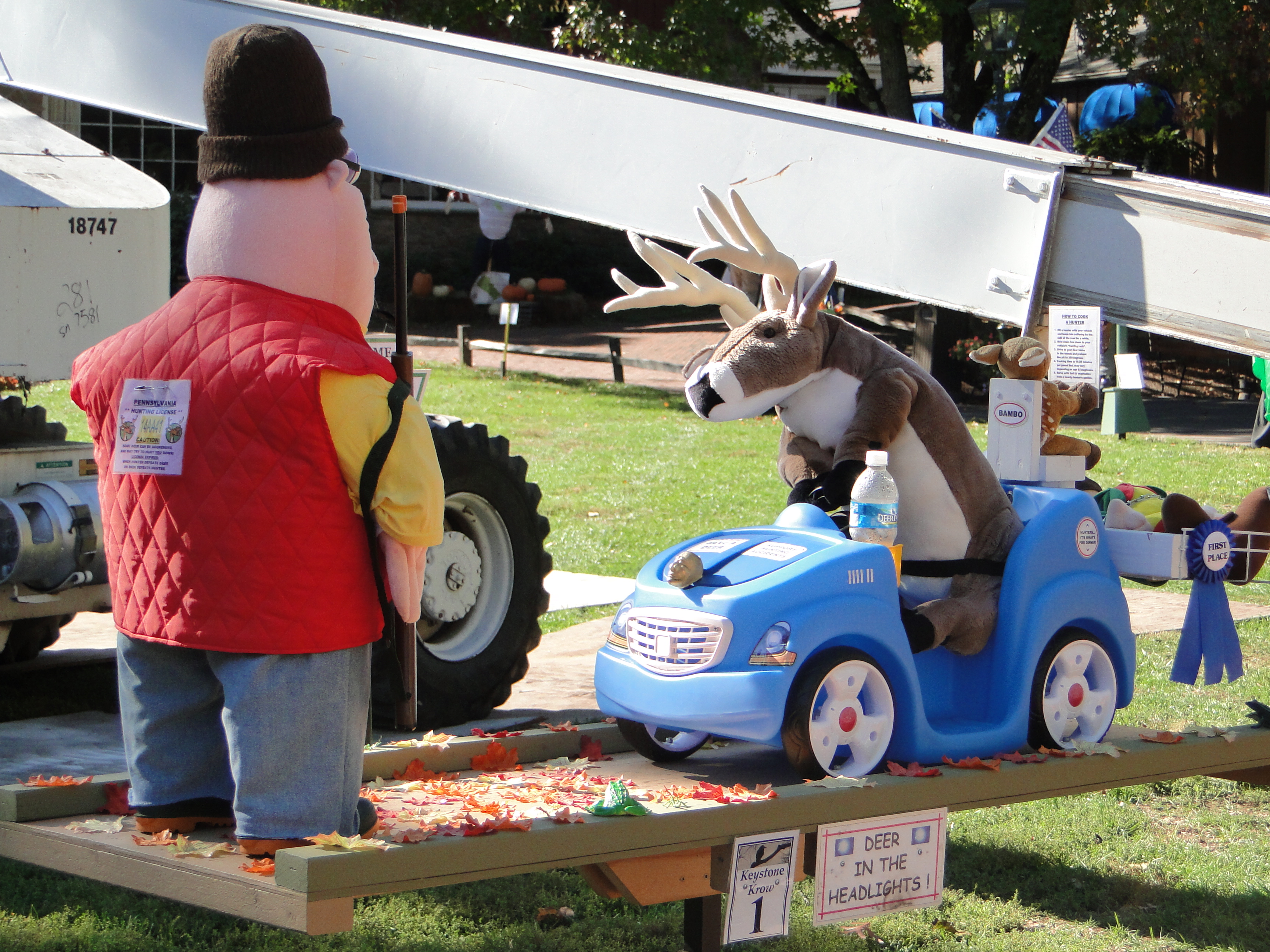
Just about anyone who lives in Philadelphia’s suburban counties knows about Peddlers Village, the faux colonial “town” of high-end shops and restaurants near the real historic colonial town of New Hope, in Pennsylvania’s Bucks County. Peddlers Village is well-known for its seasonal decorations and a nice diversion to walk around with the family. Currently the village has an interesting display of scarecrows. My favorite is the “deer in the headlights.”

Deer in the Headlights

The Cock n’ Bull Restaurant has never had a reputation for fine dining, although the interior is well decorated with colonial antiques, an impressive fireplace in the lobby and glass walls that overlook the village landscaping. The menu is predictable American fare. They do offer special menus and events during the year – colonial dinners, etc. – that can make the dining experience enjoyable. I have had the opportunity to eat at the Cock n’ Bull on various occasions and, although never wowed, I was not disappointed. Until yesterday at lunch.

Cock n' Bull Restaurant with unused dining rooms

I had never eaten lunch at Cock n’ Bull before and never will again. After a 30 minute wait for a table, at 1:30 PM, my wife,  mother-in-law and I were seated. I saw why everyone in the lobby was waiting the same 30 minutes. Only one of the three dining rooms was open – less than 1/3rd of the seating capacity. Only a few wait staff was working this one dining room. I’ve been in the business long enough to know this was a simple, and unacceptable, “cost saving” for the restaurant – squeeze maximum profit out of each table no matter how inconvenient it is for the customer.

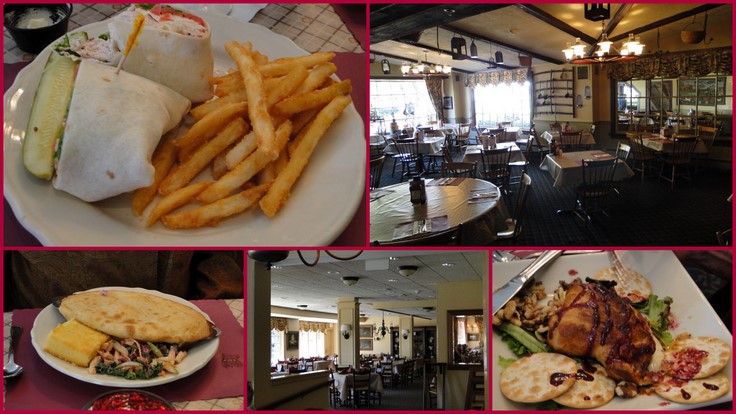
The menu was heavy on carbohydrates. I had what  was described as a “Chicken Bruschetta Wrap.” It was sliced chicken lunch meat with chopped lettuce and tomato – no seasoning whatsoever. My wife had a “Chicken Pot Pie” that consisted of a couple chunks of chicken, a few peas and carrots, lots of canned gravy and a thick bread topping. My mother-in-law, not a big eater, had an appetizer of warm brie wrapped in puff pastry (the menu said Phylo dough, but it was puff pastry). It was drizzled in an overly sweet raspberry sauce and served with walnuts and crackers (crackers and puff pastry??). We did share the only good part of the meal, a slice of warm Pecan Pie with ice cream – I’m going to assume  Cock n’ Bull didn’t make the pie. This lunch for the three of us cost nearly $50.00.

Peddlers Village does have some impressive, if expensive, shops. I was particularly taken with the Artisans Gallery that featured exquisite glass art, which, considering, was well priced in the $100 range.

glass art at the Artisans Gallery

4 Cities 5 Restaurants

Houston, Seattle, New York and Philadelphia
TOP: Houston and Seattle BOTTOM: New York and Philadelphia

I have two reasons to travel: explore and eat.  I can accomplish this goal in my own hometown or 14,000’ in the Andes. Add an interesting dish or a great market, an elegant restaurant or a hot plate in a hostel and I’m the proverbial happy traveler.

Pappadeaux at Houston Intercontinental Airport

I’ve had the opportunity to explore Houston airport (George Bush Intercontinental) over a dozen times in the past couple of years making flight connections. Airport food, in general, is barely a cut above airline food and it’s over-priced. Yet occasionally there is a surprise.  Pappadeaux, on concourse E, although part of a corporate chain, does manage to present Cajun/Louisiana style food that even my New Orleans born wife thinks is pretty good. In the past I’ve sampled lots on their menu including good Asian sushi type rolls, burgers and imaginative entrée salads. Portions are generous, the atmosphere is congenial – you forget you’re in an airport – and it has a lively bar scene. On my last visit just a few weeks ago, I had three sautéed soft shell crabs on a large bed of dirty rice. I’d never had dirty rice before and it was a nice combination of nutty/spicy, although my wife said it could have been more seasoned,  but this is Cajun/Louisiana for the general public. My wife’s crab cakes were all crab held together with a crisp coating that had been lightly sautéed. The crab flavor was fresh, but we both agreed they lacked any distinctive seasoning (and she makes excellent Cajun crab cakes). It was served on top of an odd lemon white wine sauce with small crawfish that did not add to the dish, especially since it was served with shoestring potatoes –  an odd choice. Dirty Rice would have been a more appropriate accompaniment, with or without the sauce, and it would have been interesting if the crawfish had been in the crab cakes. We shared Pappadeaux’s excellent version of a lettuce wedge salad with blue cheese and it definitely was a major improvement for this ubiquitous American favorite. A generous wedge of iceberg was smothered with sliced yellow and orange sweet peppers, scallions, crisp smoky bacon, chopped tomatoes and crumbled blue cheese. The entrees were in the $18.00 range and the salad was $9.00. I’ll be back in Houston airport in the near future and will return to Pappadeaux.

Pike Street Public Market

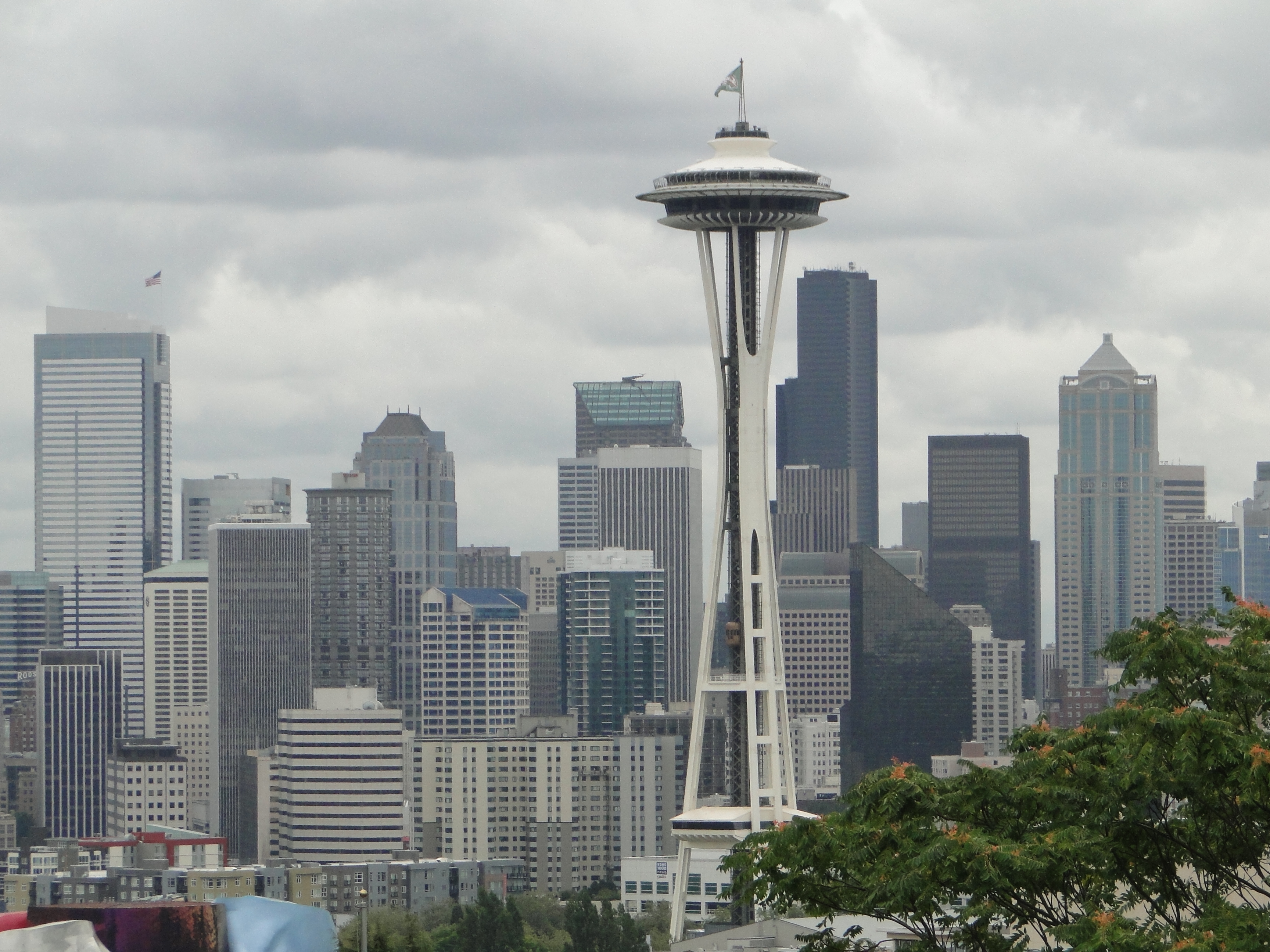
Seattle has no shortage of fresh ingredients, from its fruits and produce to the incomparable oysters of the Northwest Pacific Coast. Pike Place Market is a symbol of the region’s bounty and its dependence on the Japanese Americans who have grown its products and sell at the market. A sobering experience is both seeing the mural painted in their honor and the plaque that restates the infamous, and racist,  Federal order of 1942 stripping all Japanese Americans of their civil rights, property and herding them into concentration camps for the next four years – a disaster for both the nation and the Market. Rapidly recovering after the war, Pike Place Market thrives on both abundant tourism and copious patronage by Seattle natives. (See my blog Seattle: Just a Tease).

Pear

Pear Delicatessen & Shoppe, 1926 Pike Place, is just opposite the Market. It’s a combination deli and gourmet shop. Every day it prepares superb, imaginative hot and cold sandwiches and salads for take-out and eat-in. Both sandwiches (click to enlarge collage and read the menu description) were excellent, and I’d return to have them again. Sitting at the counter looking out onto the constantly changing tableau on the street was great entertainment.

view of Puget Sound from Elliott's Oyster House Pier 56

At first when I heard of Elliott’s Oyster House Pier 56 I thought “tourist trap” because despite my weakness for dining with a water view, I’m frequently disappointed with both the quality and prices of such establishments. Yet Seattle seems to be an anomaly. Not only is the waterfront a major tourist attraction, but like Pike Place Market, the waterfront and Elliott’s are a beloved gathering place for all Seattle age groups. Elliott’s not only has stunning views of Puget Sound but moderate prices and excellent fish and seafood. We ate twice and would come back for more, especially for the incomparable Monday through Friday Oyster Happy Hours (hours is correct: 3:00 – 6:00 PM). I am an oyster freak – raw, steamed, and baked – and Elliott’s features over one dozen varieties of Pacific Coast oysters each day depending on the catch.  Beginning at 3:00 PM, the Chef chooses the variety of the day. Each person may order one dozen – or a maximum of three dozen per table – each half hour. The oysters come beautifully displayed on mounds of shaved ice with lemons and cocktail sauce. From 3:00 to 3:30 the price is $.50 per oyster! Each half hour until 5:30 the price increases only $.25/per to a maximum of $1.75 an oyster – still on an average $.25 less than normal Seattle restaurant cost.

Elliott's Oyster House Happy Hour

 When I heard of Elliott’s system, I devised a strategy that proved successful. I figured any deal like this at a very popular restaurant had to be sought after. We decided to arrive around 2:00 to have a late but light lunch. At that time, the dining area was two-thirds full. For $7.00 per person, I had a generous bowl of New England clam chowder, full of clams, thick with cream and the aroma of good smoky bacon. My wife had an equally flavorful bowl of seafood chowder.  Both chowders came with Caesar salads. By 3:00 PM there was a waiting line outside the restaurant with all the outside/dockside tables full plus the bar. We remained until 5:00 enjoying a dinner of three dozen briny, ice cold raw oysters – all for a total price for the oysters of $21.00. A Happy Hour drink menu did have reduced price mixed drinks, beer and wines from their extensive bar, but the star drink was their signature, the Oyster Shooter. It’s an inspired variation on the Bloody Mary. In a double shot glass is peppered vodka, their fresh tomato Bloody Mary mix and one raw oyster – at $3.00 it’s so good, it’s dangerous.

New York City is considered to be the “capital” of many things in America including the food industry, and like most superlatives, it simply is not true. Having lived less than 90 miles from Manhattan most of my life, I have had just as many disappointing and over-priced restaurant meals in New York as I’ve had at interstate rest stops. There are always those finds when one explores. In the past few years I have discovered the neighborhood of Little Brazil in Mid-town Manhattan next to the Diamond District. After three dinners, where I’ve never been disappointed with either the atmosphere, quality of food or the price, Ipanema Restaurant is a true find. Brazilian cuisine, like Argentine, is heavy on beef – lean, tender aged cuts – grilled to perfection and seasoned with the classic Chimichurri Sauce. River and ocean fish – trout, monk and cod – along with chicken are well featured. My wife had a tender breast of chicken smothered in stewed tropical fruits with creamy whipped potates. Side dishes include superb steamed collard greens, rice and beans and home-made lightly fried potato rounds. Prices are moderate – entrees in the $18.00 range – service friendly and professional and you will hear more Portuguese and Spanish spoken than English – always a good sign that the restaurant cooks authentic cuisine.

some of the dishes from a Han Dynasty "tasting" banquet

Philadelphia, my home city, was a culinary desert when I was growing up in the 1950’s and 60’s. Known for “rolling up the sidewalks” at 7:00 PM, Blue Laws that closed most restaurants on Sundays and overcooked vegetables, meat and potatoes. Everything changed in the mid-1970’s. A new generation of trained chefs tapped into a new generation of worldy clientele and the Philadelphia Restaurant Rennaisance was underway. Today it is difficult to get a bad meal – cheesesteaks are upscaled. Even ethnic restaurants delve deeper into their native cuisines to present the diner with authentic dishes. Rarely though does a dinner have the opportunity to participate in a 20 course Chinese banquet. Every first Monday of the month, the Philadelpia location at 108 Chestnut Street of Han Dynsty Restaurant does exactly that – and for $25.00 per person!

Before you reach for the phone, as of last week they had a few seats, of the 70 reservation maximum for each banquet, available for February 2011. It is worth the wait.

Han Dynasty Restaurant presents a Chinese “tasting menu” for 70 people (one sitting at 7:00 PM) but after 20 satisfying (aka: filling) courses I call this a banquet. The 20 Dishes span Chinese cuisine with nearly half containing an amount of hot peppers many Americans may not prefer. Yet keep two points in mind: (1) many of the tiny red peppers are whole and can be removed – some dishes are in sauces and you cannot, (2) the bowl or platter of food is served communally, the 70 diners are seated at group tables, so each diner controls their own portion size, (3) There are an equal number of soothing, non-pepper dishes. The structure of the 20 courses involves meat, poultry, fish, noodles, rice, spices, hot, cold, and vegetable – in small portions. That is the cultural ideal of a Chinese Banquet – the four elements (earth, fire, wind, water) and Han Dynasty achieves this goal. There is no set menu for the dinner, it changes each month and you’re going to know when it’s placed in front of you – be open to an adventure, and some noise since the downstairs room gets crowded.

I do have three recommendations for the excellent chef  to take the expertise to a vaulted level: (1) each hot pepper dish should be followed by one without hot peppers, (2) even though it may raise the cost, the diners’ plates should be refreshed a few times during the dinner to exclude blending of previous flavors onto the next superb dish; and instead of fish for a final course  (3) there should have been some dessert (sweet element) preferably chilled.

Han’s regular dining room menu is just as imaginative having eaten there previously, but the “tasting menu” is a true experience well worth the wait for a reservation. (BYOB, $25/person not including tip).


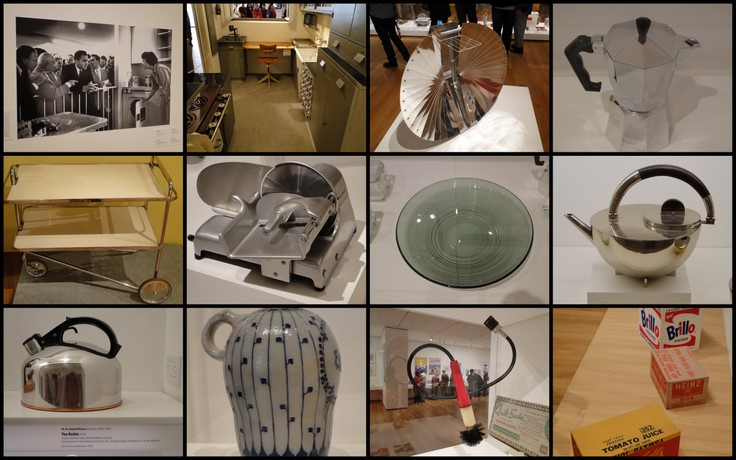
20th century design at New York's Museum of Modern Art, (upper far left: Nixon/ Khrushchev Kitchen Debate and bottom far right: Andy Worhol boxes

To Cruise or Not to Cruise? (Alaska’s Inside Passage)

…that’s a question?


There is a small town on the Pacific Rim set within spectacular scenery – snow-capped mountains with glaciers streaming down to the ocean, thickly forested mountains, houses rising up the hill sides and 40 miles of paved road. There is no way out of this small town except to take a plane, boat or hike. The closest overland connection to the rest of the continent is hundreds of miles away. This must be a small town in a very remote area? It is – it’s the capital of Alaska, Juneau.

If Alaska was an independent nation – sorry AIP it’s unlikely – it would be the 17th largest in the world, but with less than 700,000 residents it would be one of the least populated on Earth (1 person per square mile). If you want to drive to Alaska from the lower 48, you will start at the Canadian border just south of Vancouver and travel over 1,700 miles through Canada’s British Columbia and the Yukon to Skagway at the northern end of the Inside Passage – same starting point for the Yukon Gold Rush of 1897-1899. To Anchorage it’s another 800 miles.

living in luxury: interior of the Rotterdam

I had never taken a cruise. I had never wanted to take a cruise for the same reason that I have never wanted to stay in an all-inclusive resort. Not that I don’t enjoy luxury with all the pampering that goes with that experience, but travel for me is discovery. I want to walk and explore. Six hours in port is not exploring, unless the port happens to be no larger than the suburban towns in which many middle class Americans live – Juneau, Sitka and Ketchikan fit the bill.

The Inside Passage

Yet I knew that if I wanted to experience the breathtaking beauty of Alaska’s Inside Passage I had few choices – travel by floatplane, fishing boat, the Alaska ferry service or take a cruise. Frankly, the cruise was the least expensive – if less adventurous – mode.

Towel Art: by the very talented Indonesian Steward

Holland America Line’s Rotterdam is the sixth in an over century long line of flagships designed for trans-ocean travel. It’s not a mega-ship holding just 1300 passengers. Its Dutch officers and Indonesian/Philippine crew are superb with a terrific sense of humor (I now must visit Indonesia!). Passenger demographics cover a wide cross section of society and the world but basically fall into two categories: those interested in travel and those interested in consuming enormous quantities of food, drink and bingo.

A passenger can eat 24-hours a day (I am not exaggerating), and fortunately there are many venues where fine food with sensible portions are available. The Lido buffet was not one of those venues. Upon boarding the ship in Seattle, lunch was available only at the buffet. My first experience watching a woman in front of me eating from her plate, on the line, while waiting for the next plate was enough. The La Fontaine main dining room was spacious with both excellent service and sensible portions with imaginative menus – grilled quail, lamb chops, and ethnic breakfast items. The premium Pinnacle Grill ($20/per person surcharge for dinner) was elegant but a 22 oz. (size was not indicated on the menu) aged steak was overcooked and absurdly large. Twenty-four hour room service, a pizza parlor and an all day taco buffet – as well as many drink bars – were all available.  Passenger behavior on the ship ran the social scale as well – from  T-shirts and shorts in the dining room at night, propping bare feet on polished tables in the lounges, complaining about the Indonesian/Philippine accents, to appropriately dressed and behaved people enjoying the stunning scenery, the library and the many cultural opportunities Holland America provided. I believe there is a “time and a place for everything” but watching some passengers act out “The Jersey Shore” does not make me comfortable.

Shopping Waterfront: It can be anywhere

Shopping is another issue. It’s endemic both on and off the ship with too many passengers. I lived in the Caribbean for nine years in the late 1970’s and 80’s. I became well aware that the waterfronts of most otherwise beautiful Caribbean ports were identical – the same jewelry, souvenir, clothing stores and themed restaurant/bars no matter the island. I was surprised, perhaps naïvely, to find the same stores (literally still some of the same companies) lining the ports of Juneau, Sitka and Ketchikan. Six hours in a port is just about enough time for the average shopaholic. I was told by a number of independent tour guides that cruise lines either own the companies or receive significant royalties on sales. I was also told that with the excpetion of the capital, the port cities literally close up between October to May! (What to people do for a living??)

Profits also flow to the cruise lines through excessively expensive excursions – from $400/person helicopter flyovers of glaciers to $55 bus trips to areas within a few miles of dock – the public transportation to the same areas cost a couple of bucks.

one of "bridges to nowhere" which didn't bother politicians - Sitka

Once I learned to ignore boorish behavior and excessive marketing, enjoying the unique beauty of Alaska’s Inside Passage and its villages – hardly cities – dominated my mind as the reason for the cruise. Juneau (31,000), Sitka (8,900) and Ketchikan (7,400) have a rough and tumble history worthy of a frontier – Juneau being the state capital still has a “rough and tumble” present… Cars, especially trucks and SUV’s, choked the streets even though each town has an average of 30 miles of paved roads – and not that many unpaved ones either. I was reminded that several years ago there was significant national controversy over the “Bridge to nowhere.” That happened to be the proposed Gravina Island Bridge that would connect Ketchikan to Gravina Island – which contains the Ketchikan International Airport – much safer than Juneau’s which has been cited as one of the ten most dangerous on Earth (jets take off and land facing a mountain that’s way too close!) I guess any bridge would be to “nowhere” unless it happens to take you home, or to the only airport, without taking the heavily subsidized Alaskan ferry service – but, what do you want, that’s politics. Each of these three towns has several ultra-modern bridges connecting the main town to what seems to the casual tourist to be “nowhere” – forested mountains – obviously this one was just another political football.

Juneau

Juneau has one reason to visit – I’m ignoring the shopping or the incongruous Victorian wooden Governor’s Mansion – and that’s taking the Mt. Roberts Tramway up 2,000 feet ($27.00/round trip) to learn about the slaughter of Alaska’s Eagles and see an informative film. The Raptor Center is a non-profit organization dedicated to rescuing as many as possible of the over 100,000 Alaskan Bald Eagles that are shot for sport by Alaskans every year (interestingly Alaska tourism does not like this getting out – I was told this information by a volunteer at the Raptor Center. The tourism office wants you to believe they were hit by cars…?).  Several miles out of town (a $6.00 public bus ride rather than the “many times more” cruise excursion) is the rapidly retreating Mendenhall Glacier – fortunately there are still 100,000 Alaskan glaciers, not all retreating. If you’re never going to see a glacier again in your life, it’s worth a visit to this very small example. (I do not understand why the National Park Service charges admission to the Visitor’s Center?).

Sitka

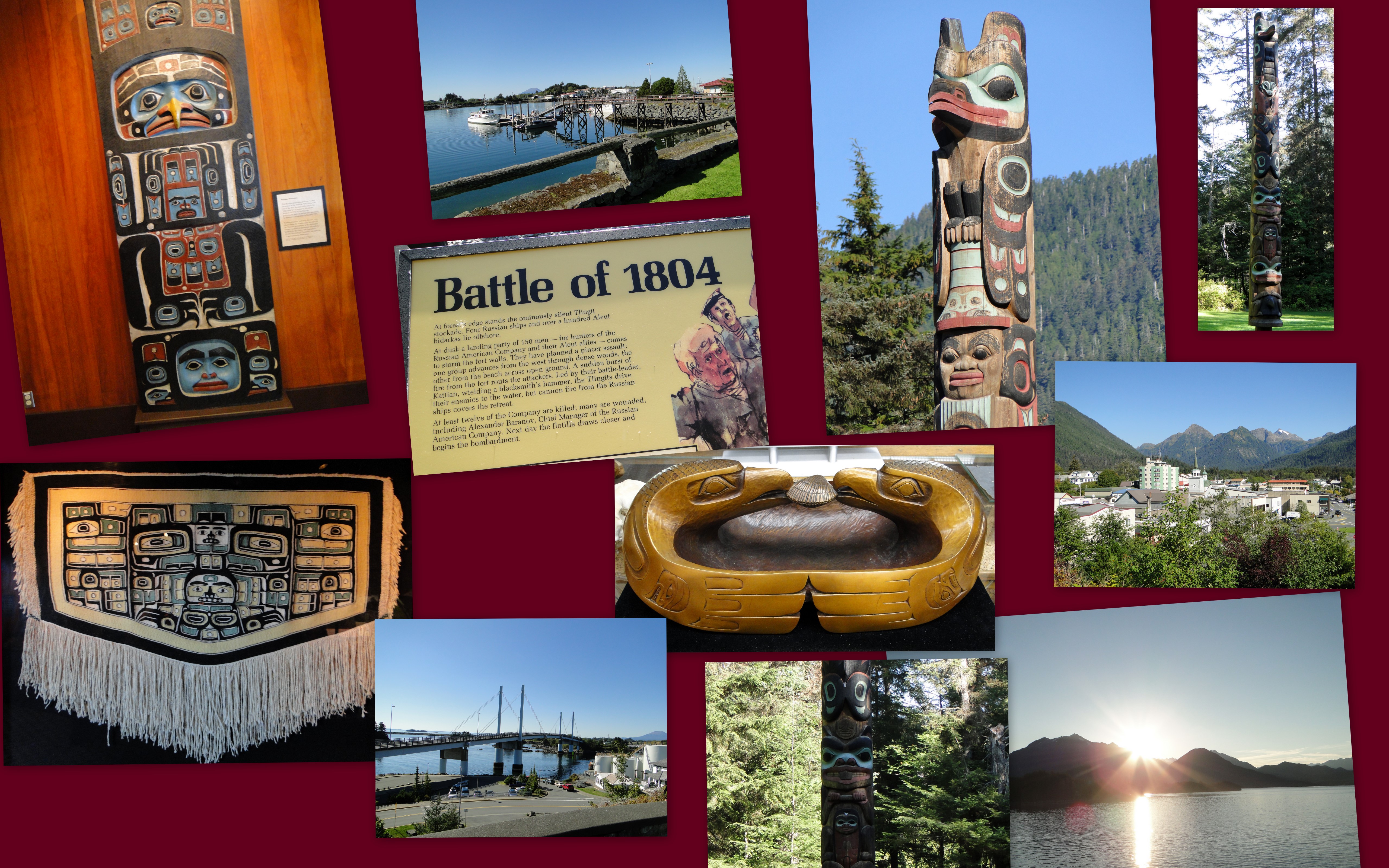
Sitka has a bit more history having been the capital of the Russian Empire’s Alaskan territory until its sale to the USA in the 1870’s. Same shopping, but it has a lovely waterfront park walkway that takes a visitor to the National Park Service owned early 19th century Russian Orthodox Bishop’s residence, and you can continue to walk or ride an inexpensive public bus to the Sheldon Jackson Museum – stunning collection of Tlingit art – and the Sitka National Historical Park with its excellent film, exhibits of North Coast art and history, Totem park walk and beach site of the 1804 victory by the Tlingit’s over the Russian invaders.

Russian Sitka

Unique in Alaska is the presence of a considerable number of Russian descendants of the original settlers that form the congregation of the all wooden St. Michael’s Cathedral. Now don’t think “cathedral = large.” St’ Michael’s is not only very modest in size, but the current building is a reconstruction after the great Sitka fire of 1966 that destroyed much of the town. Miraculously, Sitka residents rescued all but one of the priceless 19th century Russian Orthodox art objects – including decorated doors and panels – before the church was consumed by flames. Across the street is the very simple, and equally old, Lutheran Church which was burned three times before reconstructed in concrete.

Ketchikan

Ketchikan is interesting in two aspects: Alaska’s most famous and former, Red Light District, and Saxman village – the heart of the Tlingit totem pole art revival. As a rough and tumble fishing port, Ketchikan was known for over a century as the place where both “salmon and fishermen came to spawn.” Creek Street Historic District (the old Red Light district is an elevated series of 19th century and early 20th century wooden structures of tourist oriented stores and excellent, but very expensive, art galleries as well as the Dolly House Museum dedicated to its own history and honoring the “working girl.” The policeman’s ball sign in the collage is accurate. Saxman village, a couple miles out of town by public bus, is dedicated to the art of the totem. Mistakenly, and tragically, identified by Christian missionaries as “pagan idols,” these monumental visual genealogies and historical essays – in cultures without written languages – survive only 100 years on average in the very humid environment of the North Pacific Coast Rain Forest. Antique survivors are in museums only. The continuation of the totem tradition is both inspiring and maintains Native humor as well.

Floating slowly past pristine landscapes is the reason to take a cruise along Alaska’s Inside Passage. Having seen and walked quite close to glaciers in the Andes Mountains, I was surprised that a ship as large as the Rotterdam could sail within ½ mile of the vast Hubbard Glacier – still growing. Running commentary by both National Park Service rangers and Tlingit elders made the cruising tour the highlight of the trip!

Hubbard Glacier

After several hours of observation, the ship turned away from the glacier and I entered one of its hot tubs. I must admit, sitting in a hot tub, with a chilly breeze on my head swirling the hot steam while the Hubbard Glacier retreated in the background seemed a perfectly normal justification for luxuriating in total sensual decadence.

Vancouver Part 3 – What to see and eat…

….especially eat  some of the freshest produce, fruit, meats, fish and SEAFOOD ever but not always in restaurants.

Mecca for this abundance is the Granville Island Public Market with 50 permanent and over one hundred day vendors selling food and crafts. 

 It’s a vast space and on a beautiful Sunday afternoon it was packed. Not only is the variety and quality overwhelming and the prices very fair, but every ethnic “fast food” is available from Italian to Samoan – this is the Pacific Rim remember. Take your prepared foods outside to the tables and benches and you’ll also be entertained by dozens of buskers/musicians. The  picture collages are best viewed if you click to enlarge (want an item identified?  E-mail me through a comment. I’ll be happy to reply).

baked goods & chocolates

Although Granville Market is the largest, Downtown Vancouver has a number of smaller produce markets that you’ll run across walking through the city. So… you’re a tourist staying in a hotel with, maybe, a microwave in your room – not good for oysters? Why not book an apartment, or easier still, an apartment hotel. For six nights I had a one bedroom apartment with a complete kitchen, half a block from False Creek at the (first class) Meridian 910 Beach Avenue Apartment Hotel for $140/night including tax. When I tell you what good restaurants cost in Vancouver, as well as the $250 – $600/night at all other first class hotels, you’ll realize this is a terrific deal.

meats, cheeses and pates

I’m a seafood/fish freak – especially oysters (raw, fried, you name it). The northwest coast of the USA and Canada has survived the destructive pollution that has ravaged the eastern shore and Gulf coast beds.  For $18.00 I purchased two pounds of the largest, plumpest stewing oysters I have ever experienced. They provided my wife and me with the main course for two dinners and one lunch. I’m not a big fan of deep fat frying, but pan frying is another story altogether. I created a recipe which I consider quite nice:

Stewing Oysters breaded and ready for frying

Pan Fried Oysters with Scotch-Green Pepper Mustard Sauce (if using all two pounds  it will serve four people)

Ingredients:    

 2 pounds stewing oysters

Flour

4 eggs, well beaten

DRY bread crumbs or corn meal (I like corn meal)

¼ pound butter and 4 Tablespoons olive oil (more butter if necessary between batches)

Salt and pepper to taste

1 cup (8 oz. any Scotch whiskey)

2 to 3 Tablespoons green pepper corn mustard (if you cannot find this, use 2 Tablespoons Dijon mustard and 1 Tablespoons preserved – canned –  green peppercorns).

Finely chopped parsley for garnish

Procedure:

 (1) place oysters in a strainer over a bowl and drain for 30 minutes

(2) reserve oyster liquor and place oysters on paper towels to dry for 15 minutes.

(3) beat eggs in a bowl

(4) in a separate bowl measure out 1 ½ cups flour

(5) in a different bowl measure out an equal amount of cornmeal or flour

(6) Follow these directions for EACH oyster: using your hands (NOT A FORK OR TONGS – you will puncture the delicate oysters – hands are made for cooking)  (A) dip each oyster into the first bowl of flour and shake off the excess. (B) dip the floured oyster into the beaten egg. (C) coat the egged oyster in the additional flour or cornmeal.

(7) place each oyster on a wire rack/cookie sheet. When all oysters have been prepared, place the cookie sheet with oysters into the refrigerator for 30 minutes so that the coating will “set” – adhere to the oyster (you want to do this for anything you “bread”).

(8) in a heavy sauté/frying pan, non-stick is great, cut the 4 oz. of butter into pieces and add the olive oil. Melt the butter into the oil over moderate heat. When gently bubbling, add only enough oysters for a single layer – do not crowd! Sauté until golden brown on each side – about 2 minutes per side. Transfer to a paper towel lined platter that has been heated in a 225 degree oven and keep oysters warm until all are prepared.

(9) If the oysters have absorbed all the butter/oil, add 2 to 3 Tablespoons butter to pan and melt. Add the mustard/peppercorns and blend until smooth. Add the scotch and reserved oyster liquor and heat gently until smooth simmer for 2 minutes.

(10) Divide the sauce among the plates and top with four or five oysters.  Sprinkle with some finely chopped parsley. Serve with roasted garlic whipped potatoes and steamed asparagus. (email for the roasted garlic potato recipe).

Vancouver,  like most North American cities, has lost any distinctive cuisine having succumbed to the homogenized taste dictated by large food processors and TV advertising. The average restaurant serves the same burgers, fried fish, steaks and pasta dishes anyone will find in New York, Toronto or Dubuque – with the same variations on theme and price depending on whether table cloths are provided. “Fine Dining” establishments mean a couple will pay the same $150 with wine that they’ll pay anywhere for the same food and serve.

I did find one restaurant I thought was a cut above the norm in an unlikely venue since it’s in the middle of the uber-tourist/power lunch Downtown area of Canada Place/Harbor Center.

Aqua Riva and Heidi

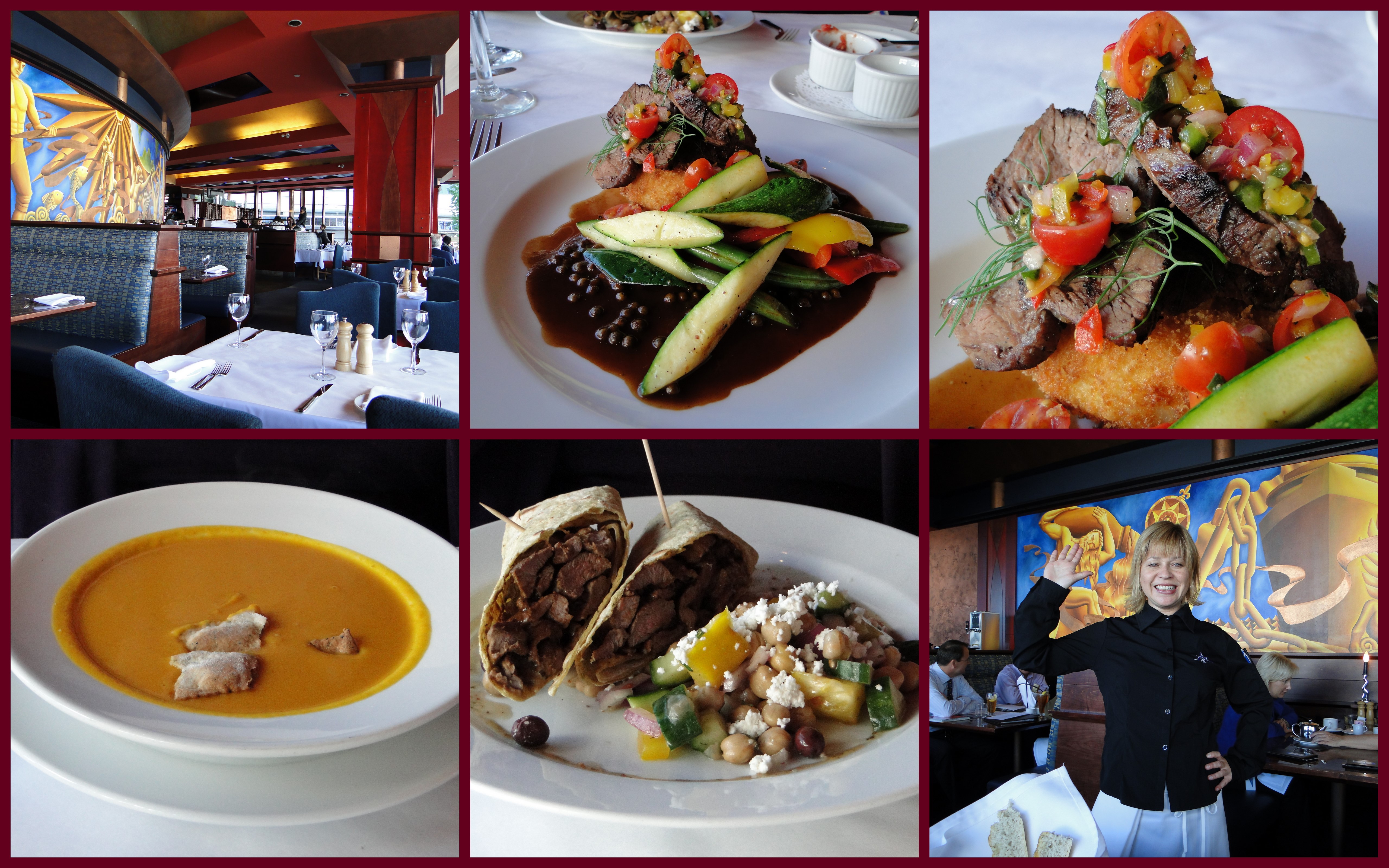
Aqua Riva, 200 Granville Street, is a sleek, ultra-modern, glass sheathed space with spectacular views of Vancouver harbor from all tables. Recommended by friends who had dined there a few weeks before, it was an excellent choice for a first-class lunch. The same friends had told us we must have Heidi as our server, and without remembering in advance, sure enough, we were seated at a table served by Heidi – she’s waving to our friends in the collage (and was a friendly, trained, well informed professional).  Aqua Riva specializes in wood grilled meats and fish. As you enter the restaurant, the grilling area is open and blazing with the aroma of good food. Wild Salmon – in every form imaginable – is available at every good restaurant along the north Pacific coast and we had had our full after nearly two weeks of travel.  My wife had Cream of Sweet Potato Soup and Curry Roasted Lamb Sirloin Wrap and I had a daily special, Grilled New Zealand Lamb topping a square of fried couscous and crisp steamed vegetables on a demi-glace green peppercorn sauce. All was flavorful and well-seasoned, although I had asked for my lamb to be medium rare and it came well done – minor fault. Lunch with wine and tip was $100 for two. I would highly recommend Aqua Riva based on the ambiance, service, food and view – a couple would spend much more at lesser venues, but you will spend more for dinner.

Japadog stand, corner of Canadian Pacific RR Station
Vancouver Fast Food

Perusing many menus at Downtown restaurants confirmed that Vancouver’s venues were equal to most North American cities – predictable, possibly well prepared and presented but are they worth spending $100 – $250 per couple for lunch and dinner every day? What was interesting were the proliferation of spotlessly clean street vendors and office complex food courts. The occasional burger joint was around, but the majority were Asian inspired venues offering everything from made to order sushi to Japadog – “hot dogs” made from shrimp, gourmet pork and topped with such items as seaweed! With this abundance of markets and fascinating “fast food,” why spend in excess of $100 for just another tender grilled steak?

Cafe Carthedge

Yet there is a neighborhood where modest ethnic restaurants exist, from Irish Pub to North African. This is in the working class gentrifying Commercial Drive District east of Downtown. At Carthage Café we had superb Tunisian Cuisine. We shared a soup rich with the deep flavor of cumin, vegetables and lamb in a flavorful chicken broth;  a stew thick with chick peas, lamb, cinnamon and couscous and large, plump Prince Edward Island mussels in a saffron, ginger and red pepper sauce. Café Carthage, it turns out, is famous for its imaginative Tunisian twists on sauces for mussels. I would return to Commercial Drive to check the many Asian and some century old Italian restaurants. Lunch for two with wine and tip was $65.

Central Branch of the Vancouver Public Library

There are a couple buildings in Downtown that stand out among the glass jungle that are worth visiting. Chief among them is the 1995 central branch of the Vancouver Public Library constructed at a cost of $100 million dollars. Moshe Safdie, a highly respected Canadian-Palestinian architect, was born in the city of Haifa in 1938 when it was the British Mandate of Palestine (he moved with his family to Montreal when he was 15). In the early 1990’s he won a rigorous competition with his radical design that mimics the Roman Coliseum. The beautiful building, full of light, plants, books and fountains is a much beloved landmark.

four toeheads on a day trip to North Vancouver

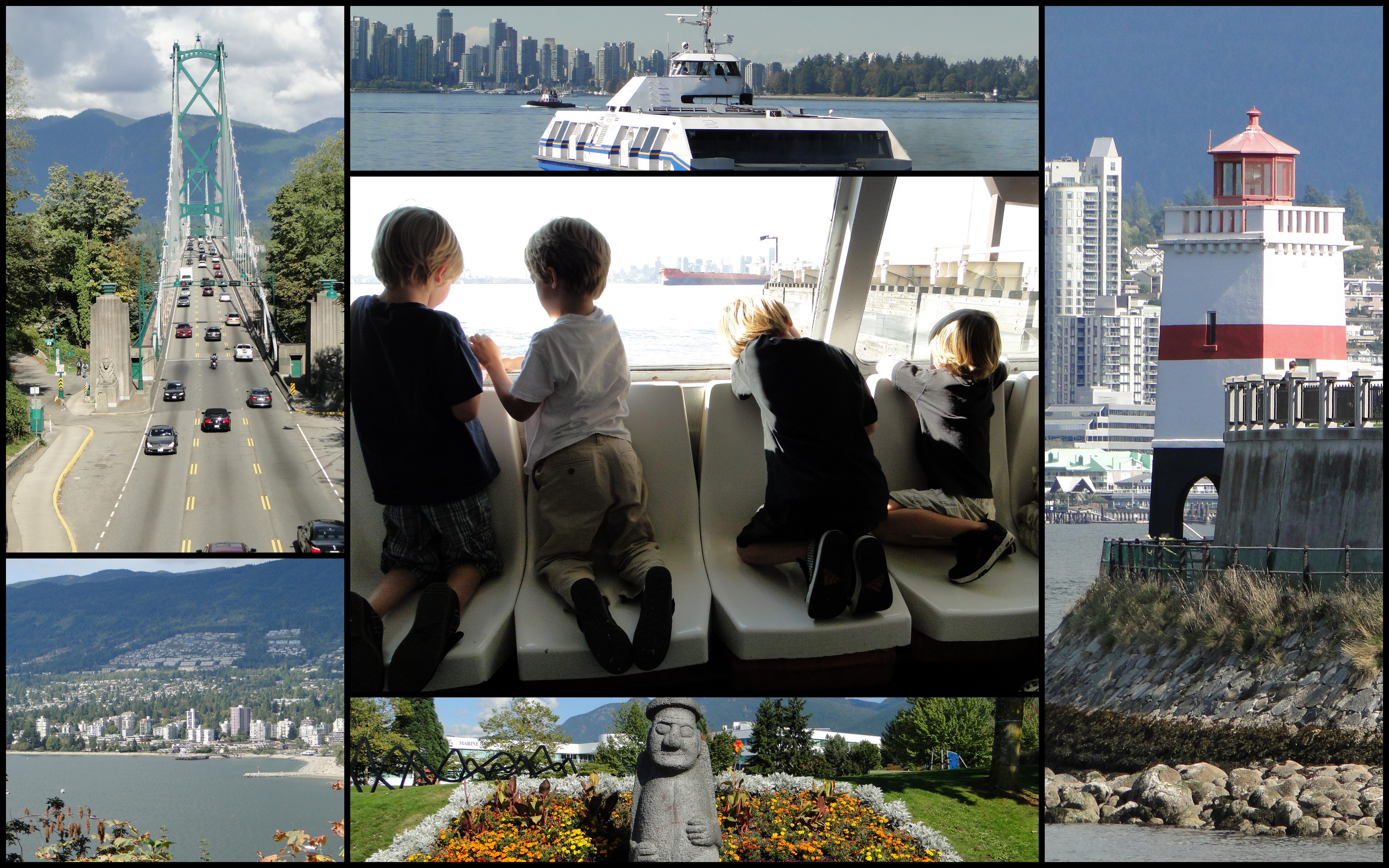
A pleasant short trip from the  Canada Place ferry terminal in Downtown over to the city of North Vancouver, for the same $2.50/two-hour Trans Link ticket that gets you anywhere around the city, is a nice way to observe the very busy commercial port of Vancouver – fourth busiest in North America. The ferry is basically a commuter service because there isn’t really any reason to go to North Vancouver unless you are traveling to the ski resort of Whistler or other British Columbia mountain adventures. The Mall at the terminal does have a nice Market, and it is good for Americans to see how a  modern, efficient ferry service actually functions. I’ve been saying repeatedly how expensive Vancouver is, but I must mention that North Vancouver is the “Beverly Hills” of the region with home prices averaging $4 million. North Vancouver has an Irish connection. In the early 20th century, the Guinness family owned nearly all the land. In the depth of the Great Depression, they constructed the suspension bridge connecting Stanley Park to North Vancouver and made an additional fortune developing the land into luxury housing and collecting the bridge tolls until the 1950’s.

Stanley Park

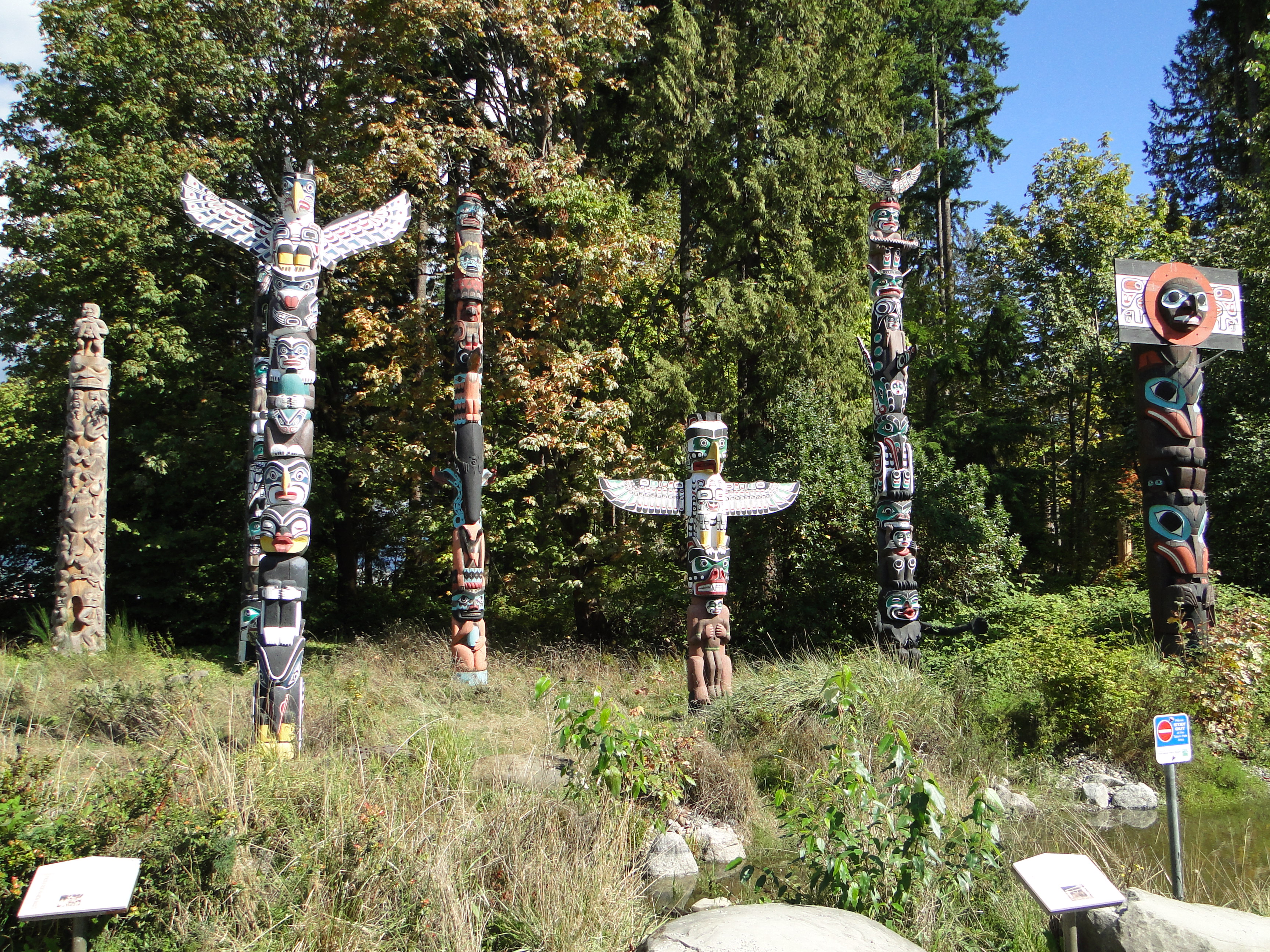
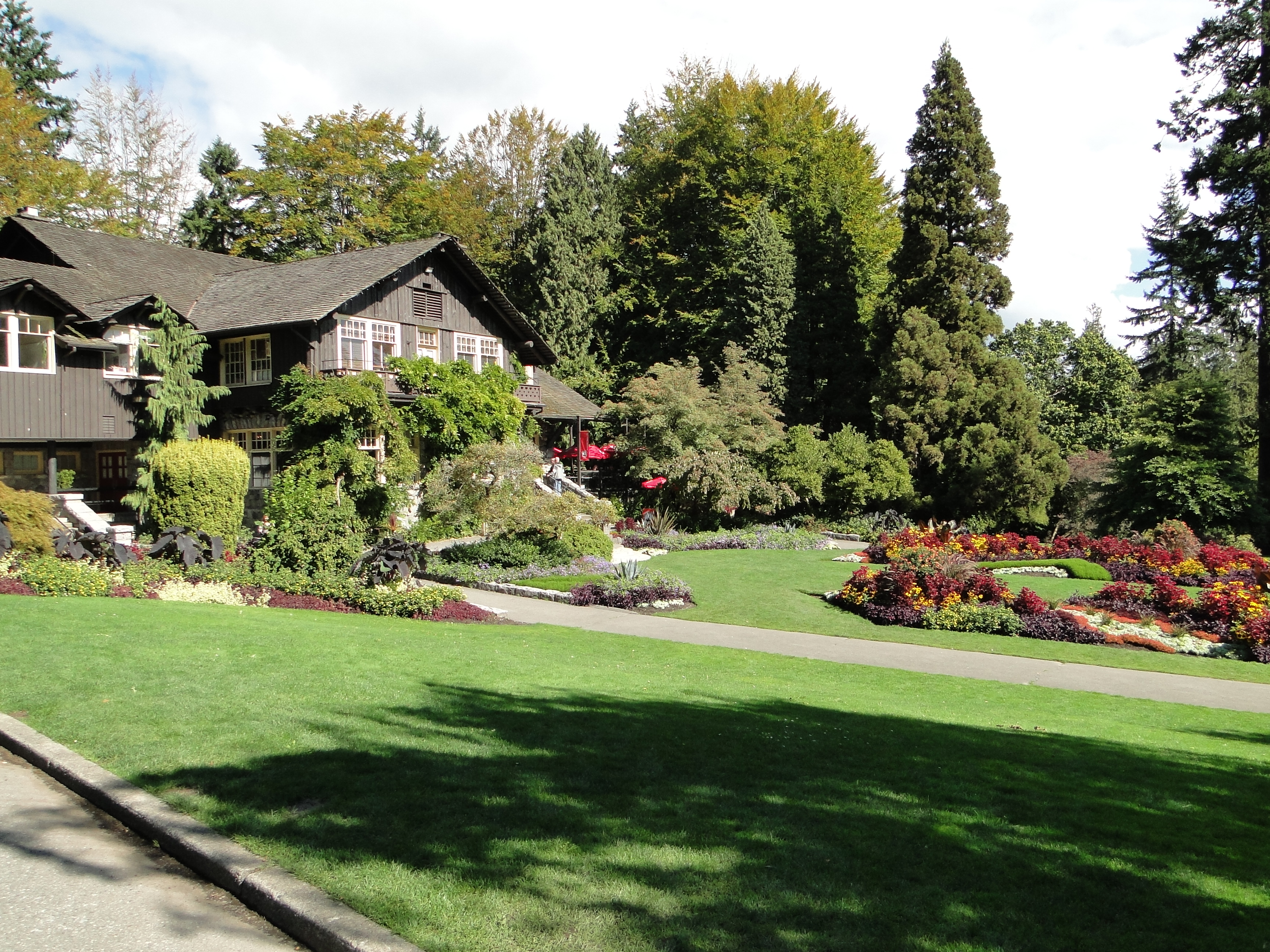
From food to nature, at the far end of Downtown’s West End is the beautiful retreat of Stanley Park, named after its founder in the 1880’s Canada’s Governor General Frederick Arthur Stanley, 16th Earl of Darby and Lord Stanley of Preston, accomplished politician and athlete. He is most famous for establishing the sport of hockey’s Stanley Cup. A multi thousand acre preserve of both exquisite landscaped gardens, the very good Tree House Restaurant (pictured above, bottom middle) and hiking forests, Stanley Park is within walking, biking and driving distance minutes from anywhere in Downtown Vancouver. The best way to explore the park is by hiking or renting a bike. During the summer months a free shuttle tours the perimeter.

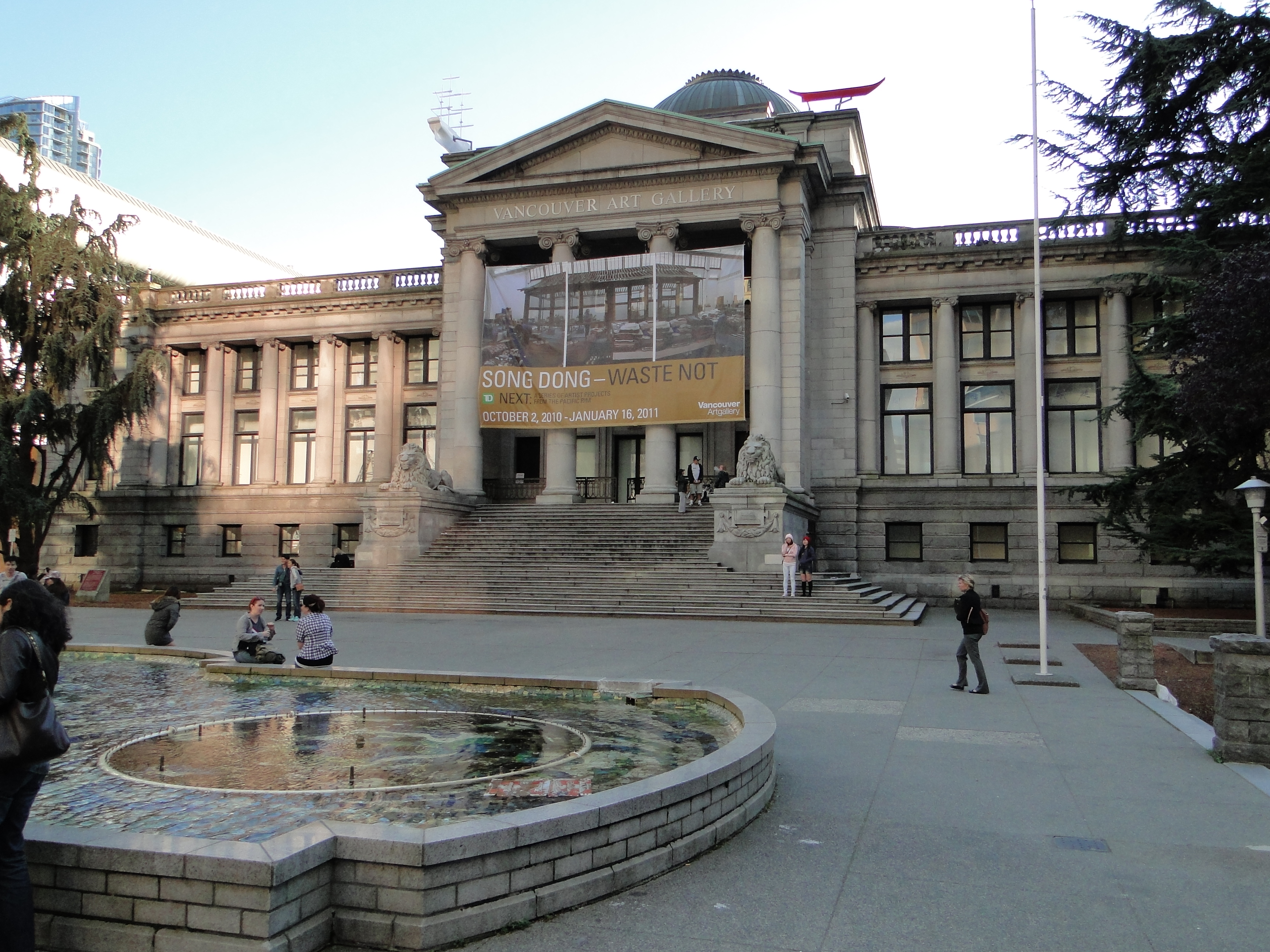
Vancouver Art Gallery - nice 1890's building but disappointing exhibits

There are three major museums in Vancouver of which only one is worth your time. If you’re on a cruise with only six hours in the city and enjoy local historical stuff, you might visit the Vancouver Museum. Many guide books praise the Vancouver Art Gallery because it owns 177 paintings by one of Canada’s most brilliant artists, Emily Carr (1871-1945), one of the famous post-impressionist “Group of 7,” but unfortunately you’ll see, if you’re lucky, maybe twelve – I have no idea where the remainder reside. Otherwise you’ll pay $19.50 to see what basically are sophomoric exhibits representing the University of British Columbia’s art school. But there is one gem that makes Vancouver a must visit. – the MOA.

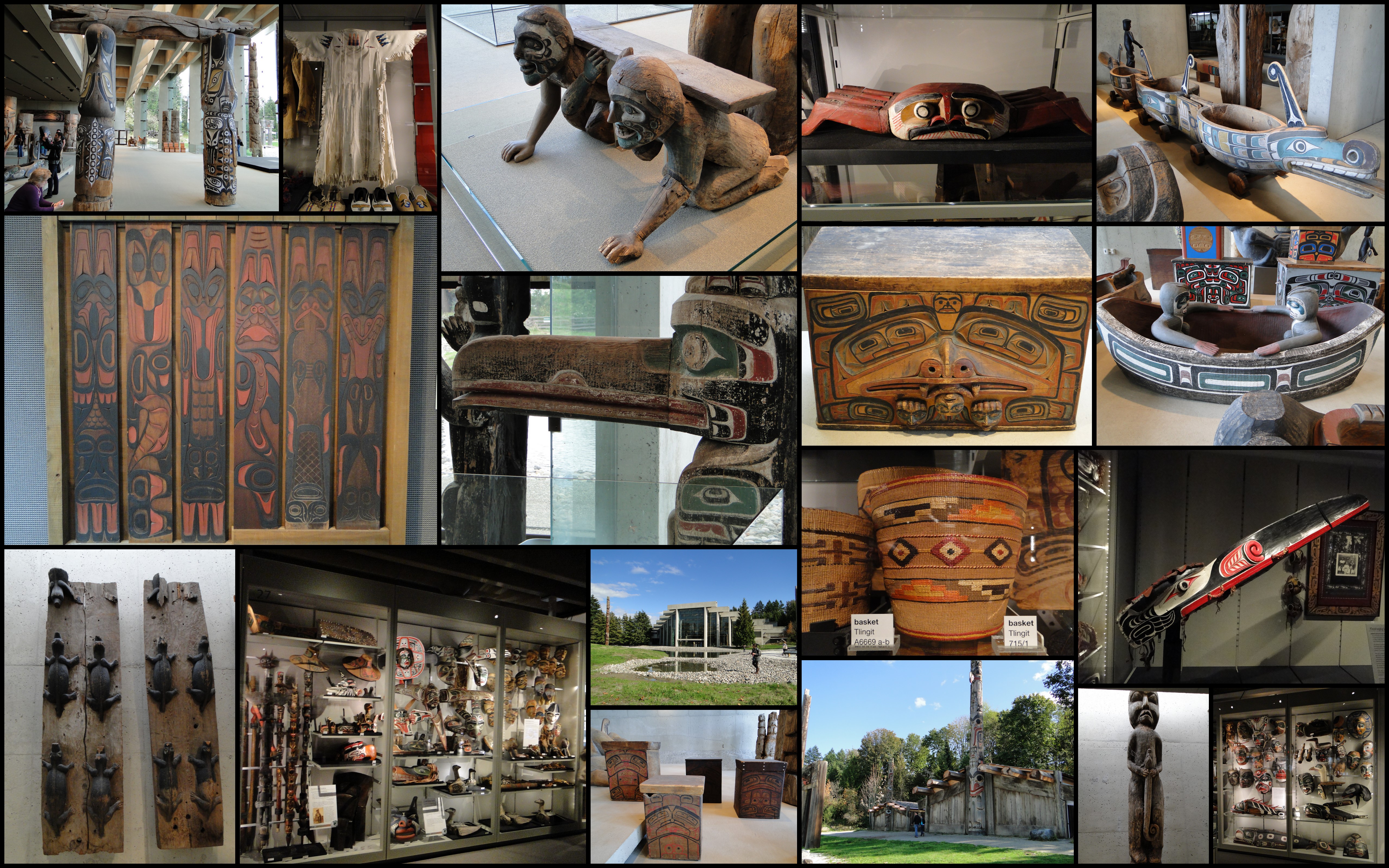
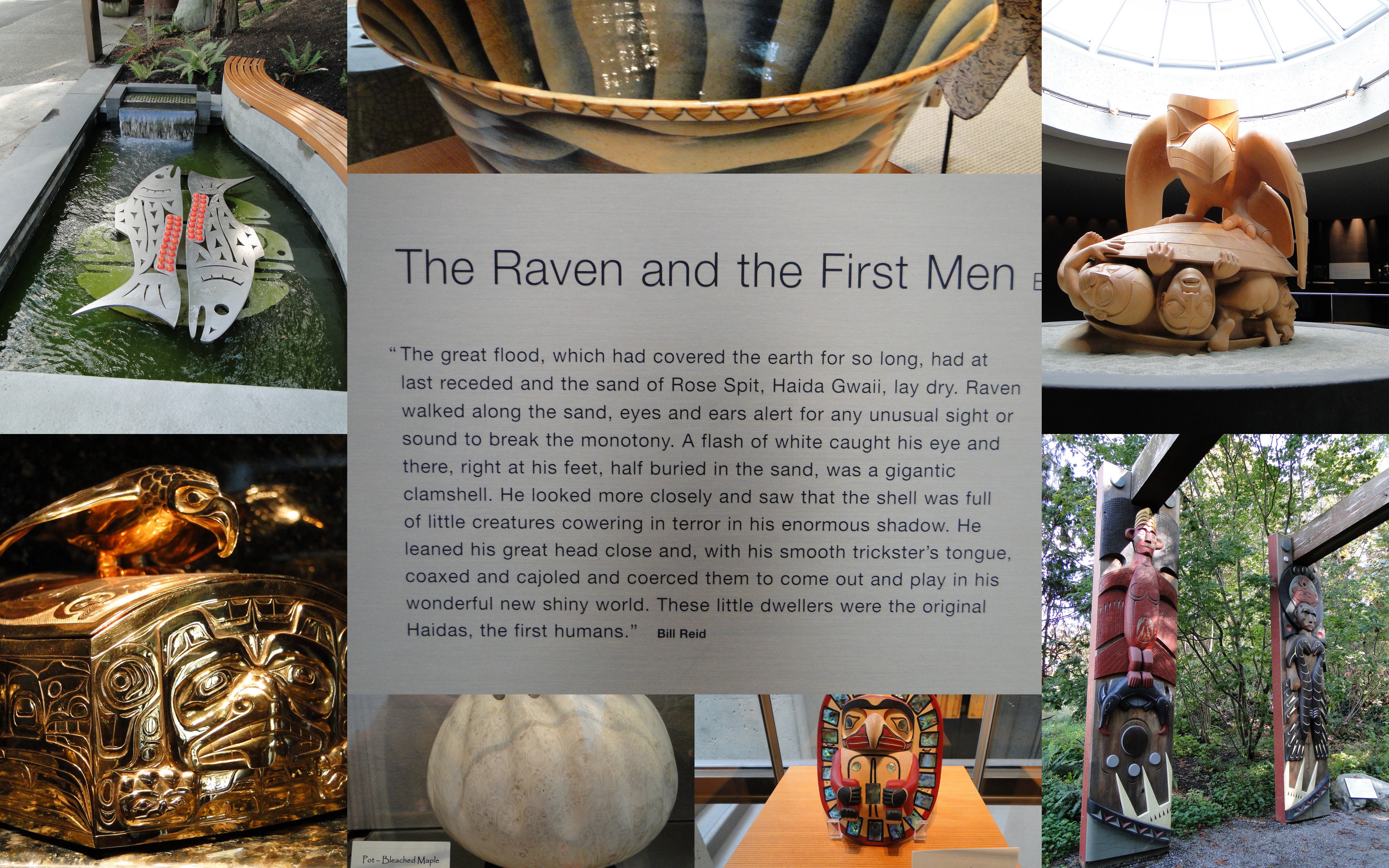
MOA’s ancient art
Arthur Erikson's Provincial Court House

If walking around Downtown and you come across a low-rise building that causes you to say “wow” – because it’s neither a boring glass structure or a wedding cake (re: The Fairmount Hotel Vancouver), it was most likely designed by Arthur Erickson, (June 14, 1924 – May 20, 2009), Vancouver native, graduate in Asian languages from the University of British Columbia, Canada’s prestigious  McGill University  and internationally celebrated architect. Even if you only saw the outside of the University of British Columbia’s Museum of Anthropology you would be thrilled. Yet to spend hours immersed in its collection, tens of thousands of First Nation North Pacific Coast art and all the cultures of the Pacific Rim, are priceless. Unlike most anthropology museums, the MOA does not consider these cultures dead. Not only did Canada’s First Nation cultures survive extinction – despite disease and cultural genocide for a hundred years – but the museum has a mission to revive and maintain these vibrant cultures with their outstanding art. The juxtaposition of ancient North Pacific Coast art with South Pacific cultures is illuminating.  It’s obvious these cultures knew of each other’s existence – the Pacific was simply a big pond. The museum’s advocacy of the continuing revival in First Nation artistic traditions is inspiring.

The rebirth of the world
Arthur Erikson's MOA

Arthur Erickson’s 1971 design takes my breath away. Based on a North Pacific Coast Clan House, he managed to maintain his ideal of a simple concrete and glass structure that would be both  distinctive and bring the outside environment inside. Set on a forested cliff, hundreds of feet above the Pacific, at the edge of the University’s South Vancouver campus, the building is more than an homage to the collection. In the 1940’s the Canadian government built two eight foot thick concrete gun emplacements as part of World War II defenses for Vancouver harbor. Rather than attempt their removal, Erikson incorporated them into the museum. One is part of an outdoor garden and the other is an inspired decision – it is incorporated into the museum as the Rotunda Gallery, dominated by, and dedicated to, First Nation artist Bill Reid’s (1920 -1998) monumental wooden sculpture “Raven and the First Man.” It’s a truly moving statement to the mythic reality that out of destruction there is rebirth.

Vancouver’s Neighborhoods – what the guide books don’t tell you…


Very few of us are ex-patriots from our birth countries – although maybe some of us wish we were. So when first generation ancestors moved from Europe, Asia, South America, and even Africa (after the post-slave era) it’s not odd that they would want to settle in areas with similar immigrants. That’s an age-old tradition – the psychological first step in the process of integrating into a new society. Look at your own area. What do you call “Little…”? In the tourism literature of any size population center in North America there is a “Little… something” – from Italian to Ethiopian. Unfortunately today, many ethnic neighborhoods are shadows of this past uniqueness having been absorbed into the melting pot or turned into a tourist attraction – or striving to be “upwardly mobile.”   

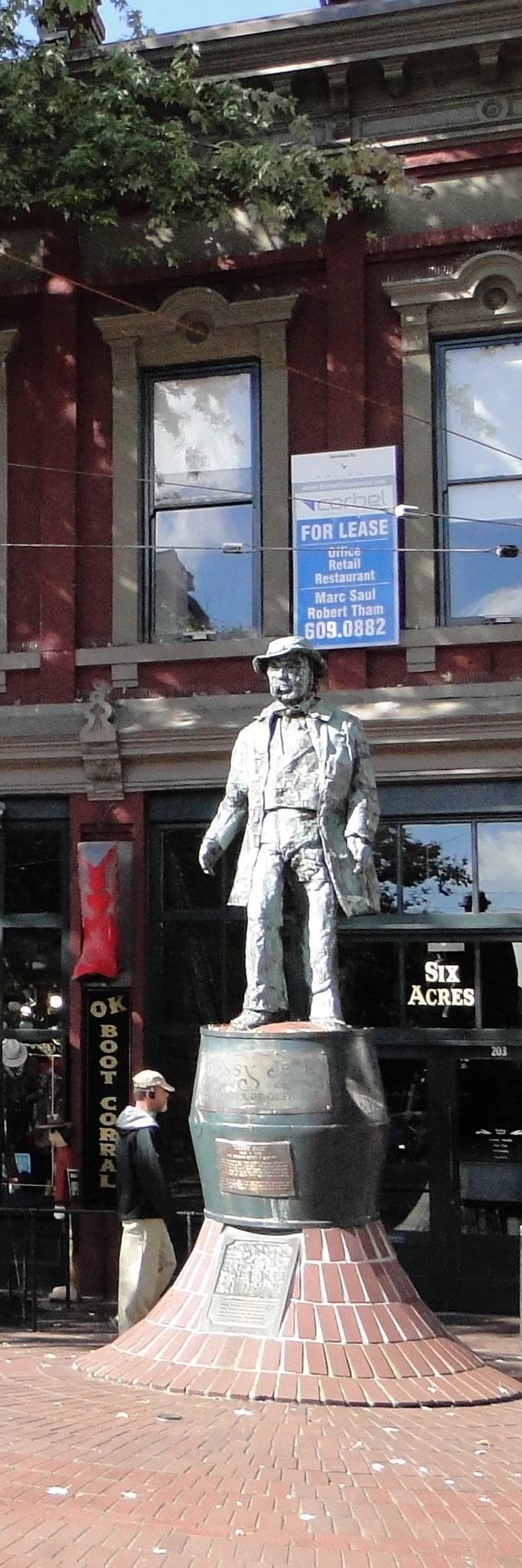
“Gassy” Jack Deighton


Vancouver is not unique in that venue. Gastown, 1860’s, was the first “Vancouver” neighborhood twenty years before the official founding of the city in 1886. Named after “Gassy” Jack Deighton – a pioneer entrepreneur and saloon keeper – who brought  natural gas lines into this area of docks, warehouses, whore houses and anything else one can think of in a frontier port. After its destruction in the Great Vancouver Fire of the same year the city was officially incorporated, it was rebuilt in late 19th century brick buildings lined with cobbled streets. Yet it remained a rough European immigrant port district until its further decline during the Great Depression, and through the 1960’s, into a slum. Fortunately well-meaning urban planners were thwarted in their attempt to demolish the 19th century brick neighborhood. Unfortunately, Gastown today is “quaint” in that sweet, teeth jarring tourist up-scale shadow of its original self. Set only a few blocks from the cruise piers/Canada Place of Downtown on Water Street off of Hastings Street, it’s a neighborhood of cheap souvenir shops, expensive designer showrooms, cafes and some exquisite art galleries – if you can afford the multi-thousand dollar price tags. Like most of central Vancouver, its residents are young, upwardly mobile professionals who can afford the multi-thousand dollar rents for condos.   


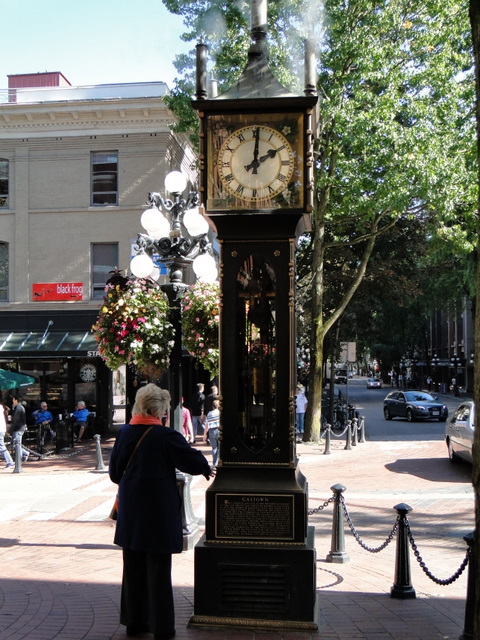
 Gastown’s most interesting attraction is the Steam Clock. Conceived over a hundred years ago but not built until the 1970’s, it’s “chimes” are steam operated- not unlike a river boat – by Vancouver’s distributed Downtown steam-heating system.  Located on the corner of Cambie and Water Street, it sounds every 15 minutes and is definitely worth walking through the crowded, flower bedecked streets to observe.   

Gastown Steam Clock

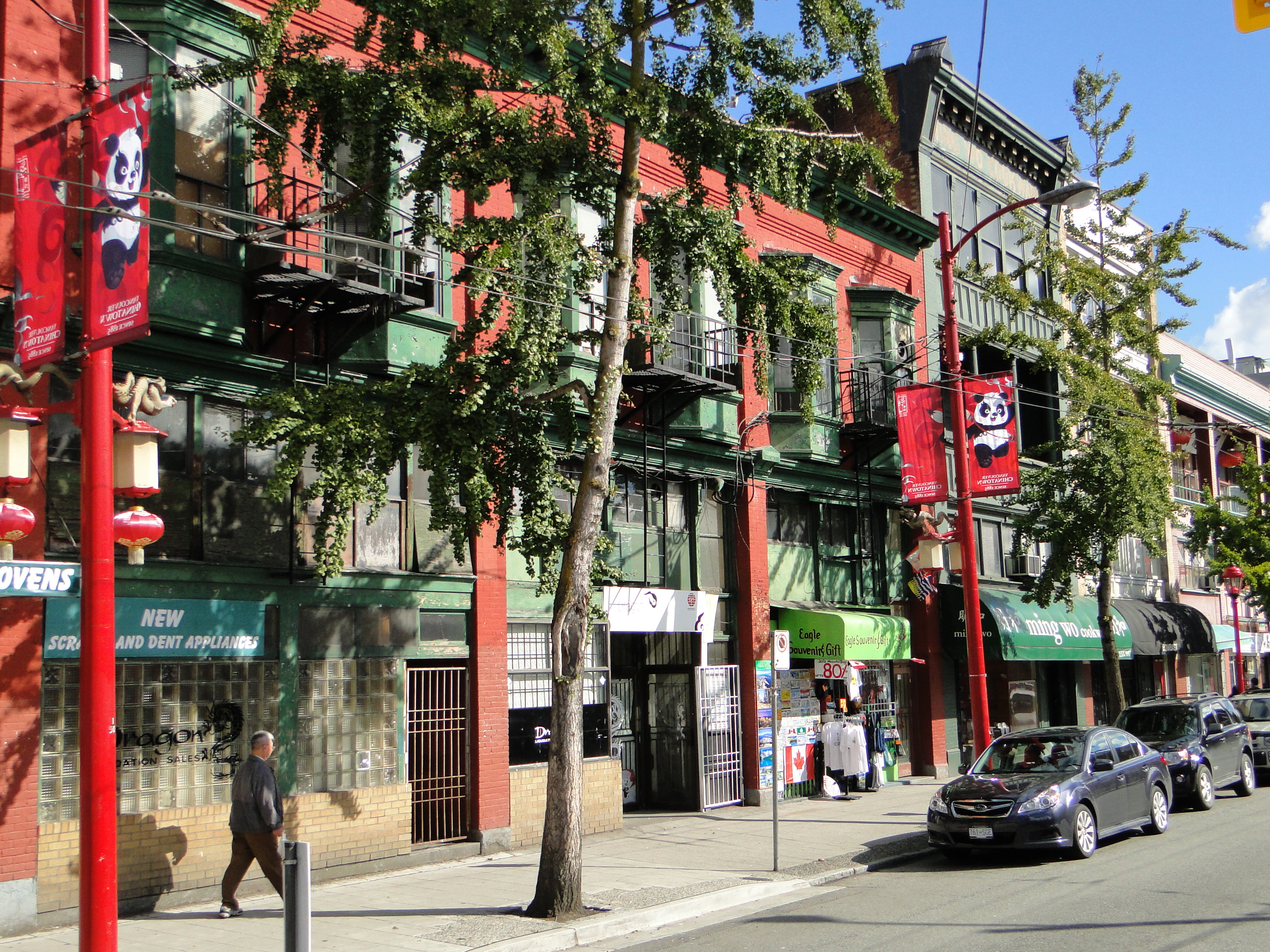
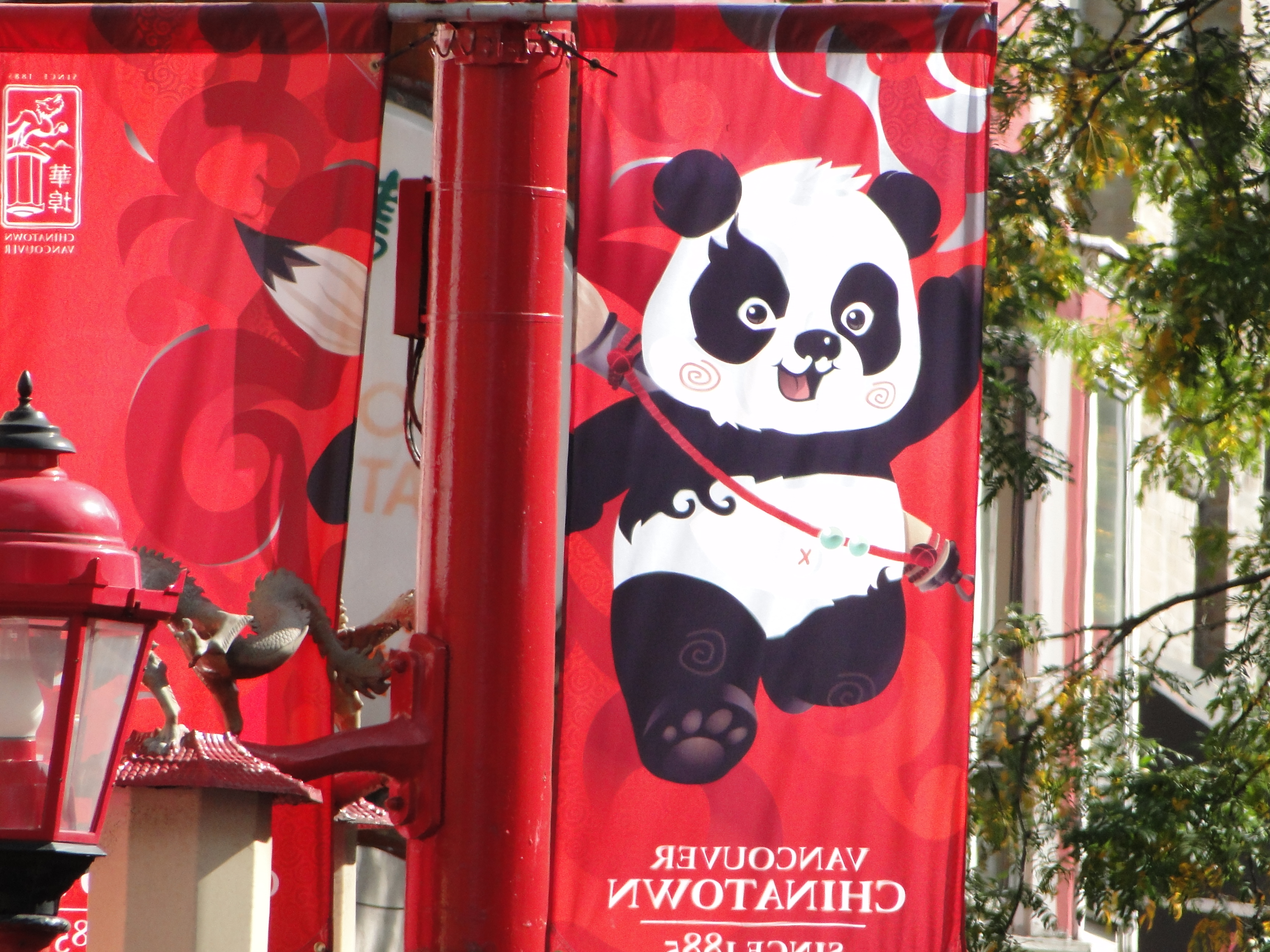
Vancouver’s Chinatown – the third largest in North America – is no longer the ghetto that many Asian neighborhoods once were considering that the city’s population is 30% Chinese – many among the wealthiest residents of  the city.  It’s separated by a couple of blocks from Gastown by an odd stretch that is populated by drug dealers and prostitutes – perfectly safe in the daytime – traversed by all the tour buses ( note: no tour bus commentary – why?).  Except for the Sun Yat-sen Classical Chinese Garden and the Chinese Cultural Center there is no reason to visit Chinatown unless you wish to buy inexpensive trinkets.   

Chinatown


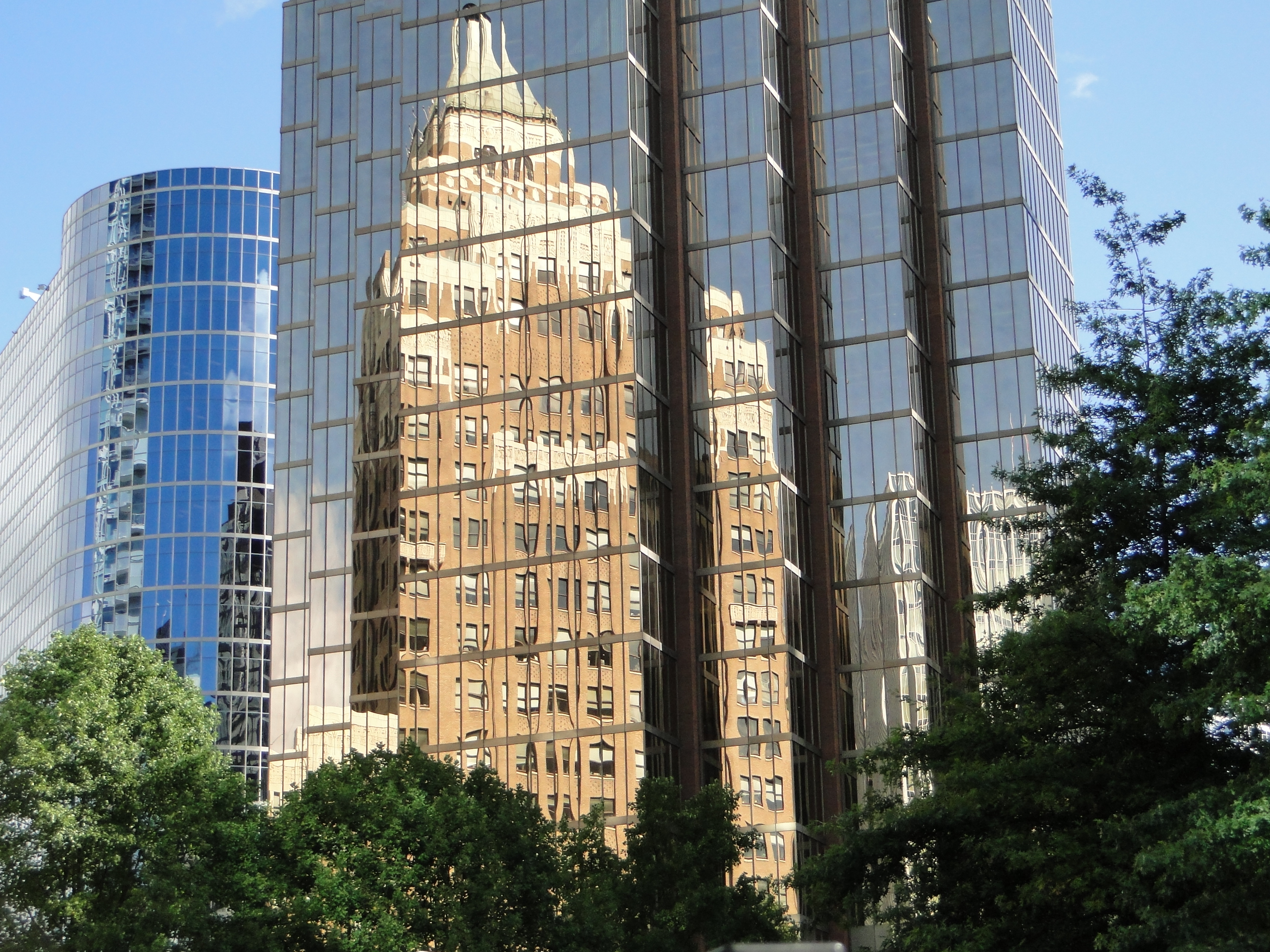
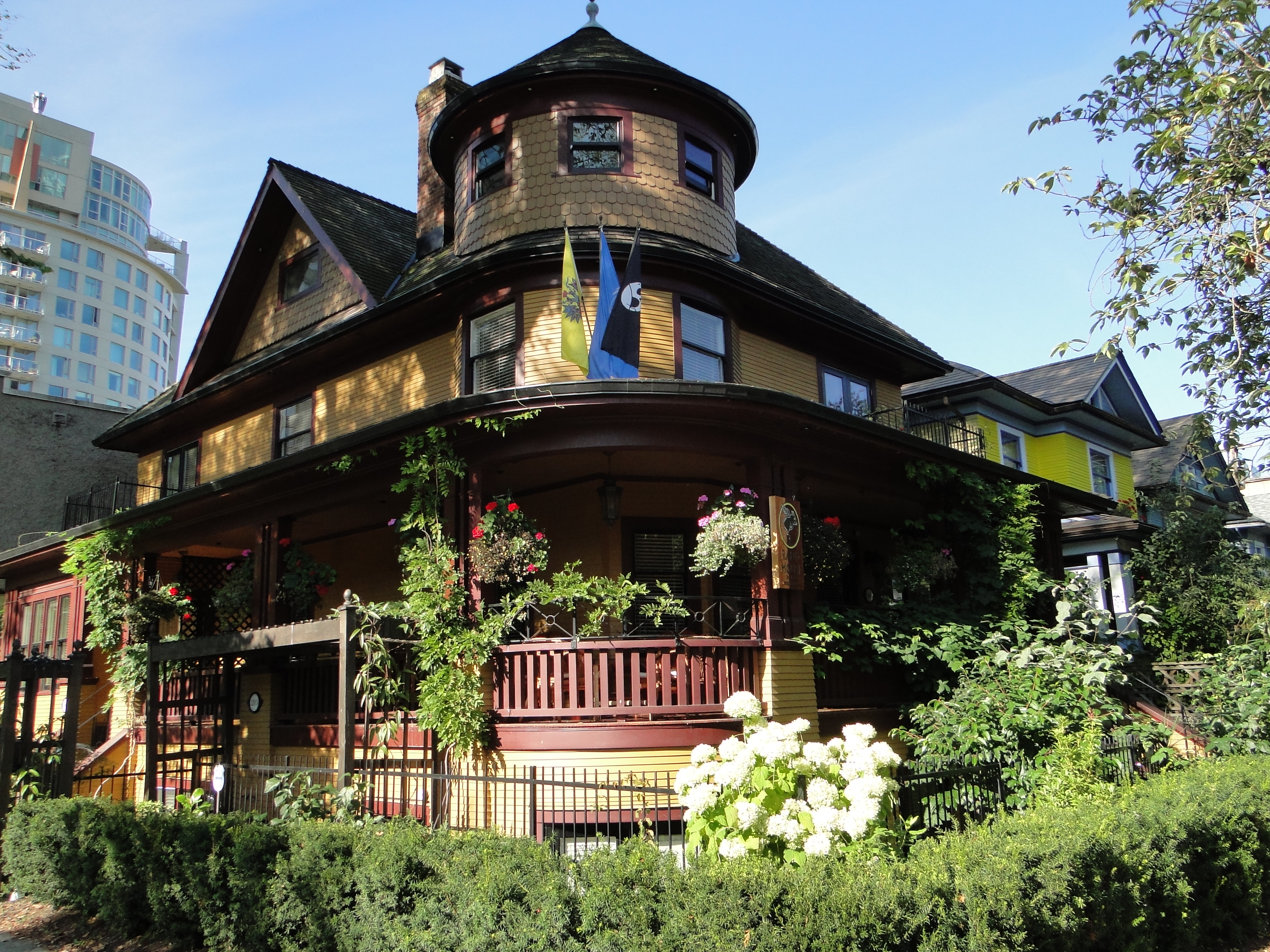
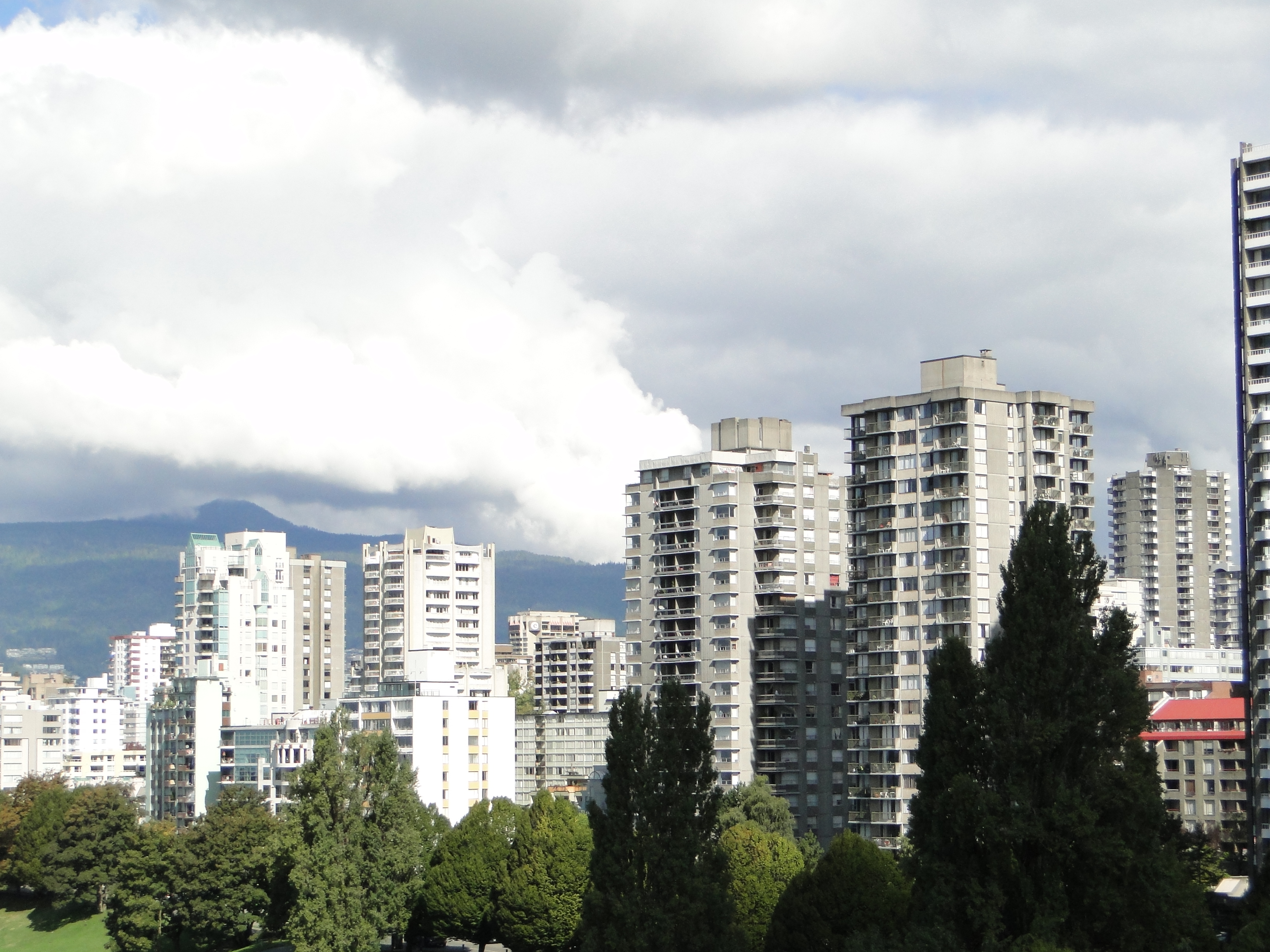
Downtown is actually the name of Vancouver’s central core, although it is in subdivisions which are discernable today only by architecture or color – not racial, rather the rainbow flag. The 1886 Great Fire not only rebuilt Gastown but expanded the city creating new neighborhoods for Vancouver’s growing wealthy. The mostly British merchant class built spacious  landscaped Victorian mansions and, in the early 1900’s, many Arts and Crafts houses. The vast influx of wealthy Chinese British passport holders from Hong Kong in the 1980’s and 90’s, and Vancouver’s subsequent economic boom, rebuilt Downtown (re: tore down the original housing) with luxury glass high rise condos. Yet even if this very expensive “urban renewal” is architecturally soulless, this is Canada. Real estate developers have to comply with strict codes requiring public art installations, inspired landscaping, public access through the developments – bike paths, pedestrian walkways and public ownership of the extensive waterfront.   


Robson Street, which runs the full east/west length of Downtown, is the fashionable shopping street but the Champs-Élysées it is not. Armani and Cartier are sandwiched between hundreds of small locally owned shops that make me wonder how they can afford the rent – obviously considering the crowds of shoppers they can. To its immense credit, the shops are mostly locally owned and not chain stores. It’s a carnival scene with Bentleys and Mercedes parked in front of non-descript storefronts. Granville Street was once Vancouver’s main shopping district but it fell on hard times after the Great Depression. Fortunately that means it still contains many original Art Deco buildings and is on an economic rebound. Yaletown, next to Granville Street, is a mix of residential lofts and hip stores in restored industrial buildings, as well as  glass condos catering to the growing affluent  population of under 35-year old professionals.   

The West End


West End is the wealthiest area and, to some extent, what’s left of the original Downtown. Tree lined streets, especially Bute Street, is a low rise haven of excessively expensive Craftsmen houses, Art Deco apartment complexes, and young families enjoying exquisite pocket parks. The noise and traffic bustle of the shopping district, only a few blocks away, seem worlds apart.   


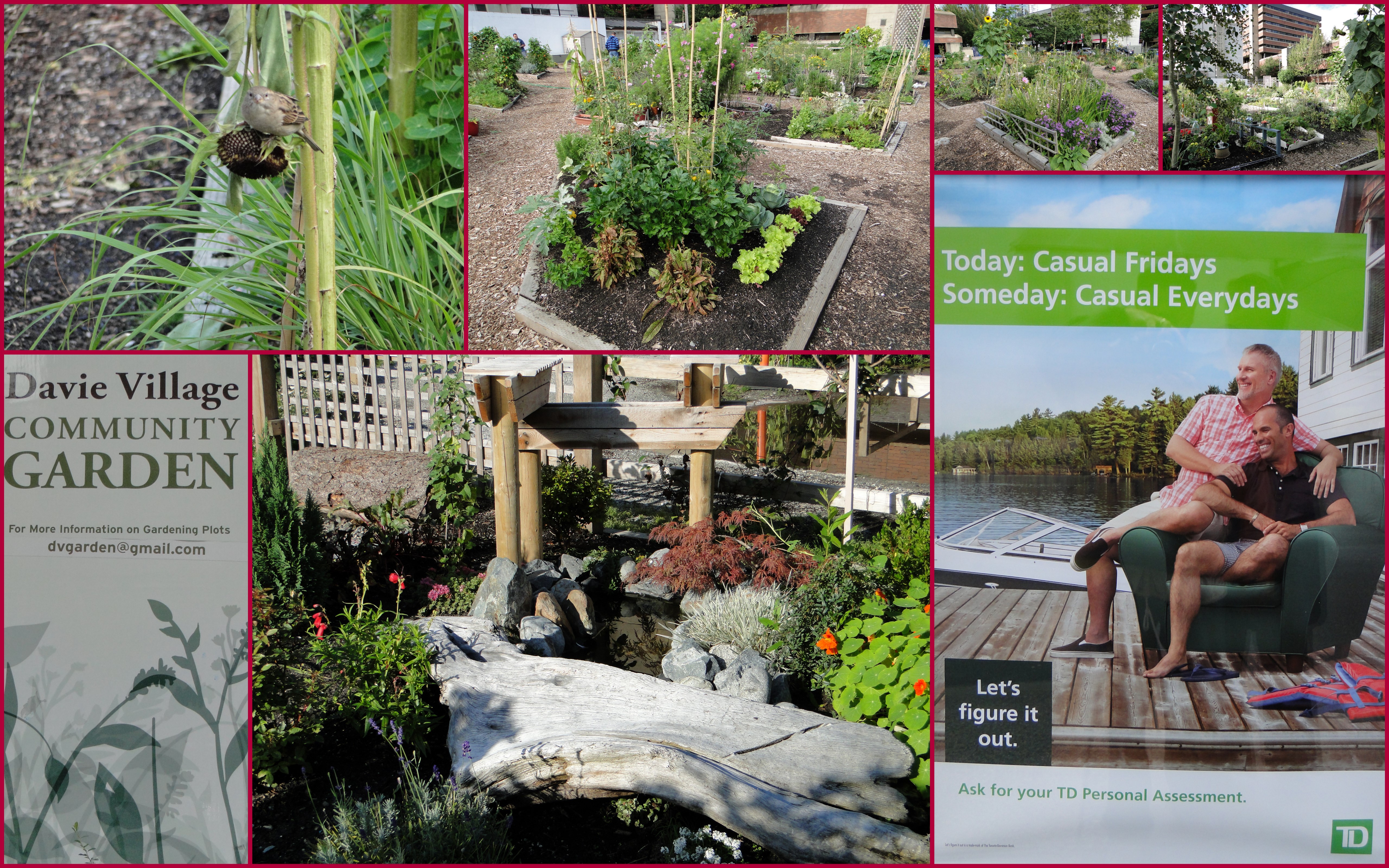
The West End is also home to one of Downtown’s most unique neighborhoods, Davie Village – the heart of Vancouver’s gay district. Fuscia painted bus stops and trash cans decorate a vibrant shopping and café area – fully integrated with the non-gay community (remember, this is socially advanced Canada where gay marriage was legalized years ago). The Davie Village Community Garden, at the corner of Davie and Burrard Streets, is the most beautiful community garden I have ever seen. More non-edible plants than vegetables, it’s a fitting symbol of the commitment of Vancouver’s residents to preserving green space within the urban landscape. The incomparable Stanley Park (see next blog) borders the West End.   

Granville Island


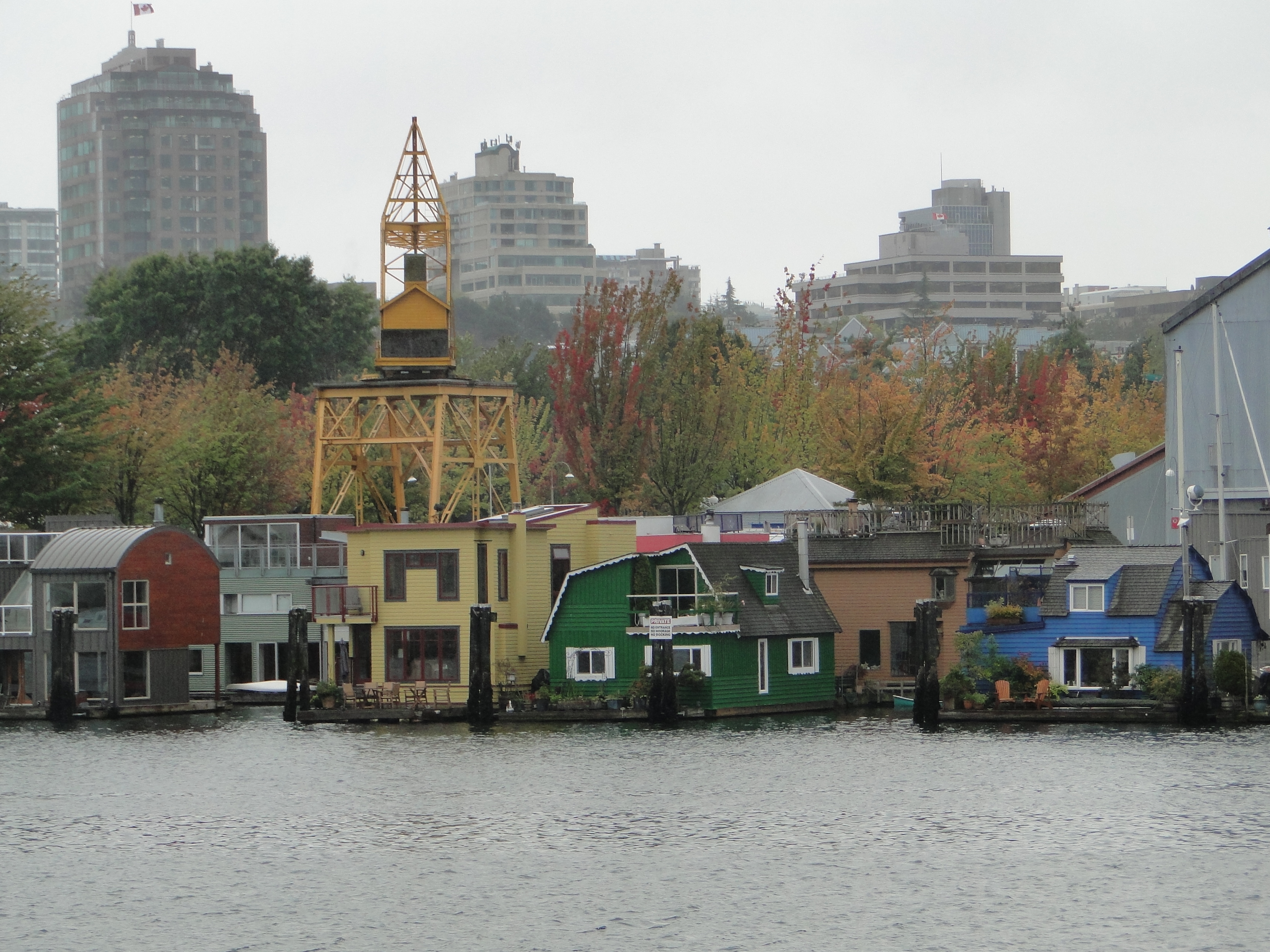
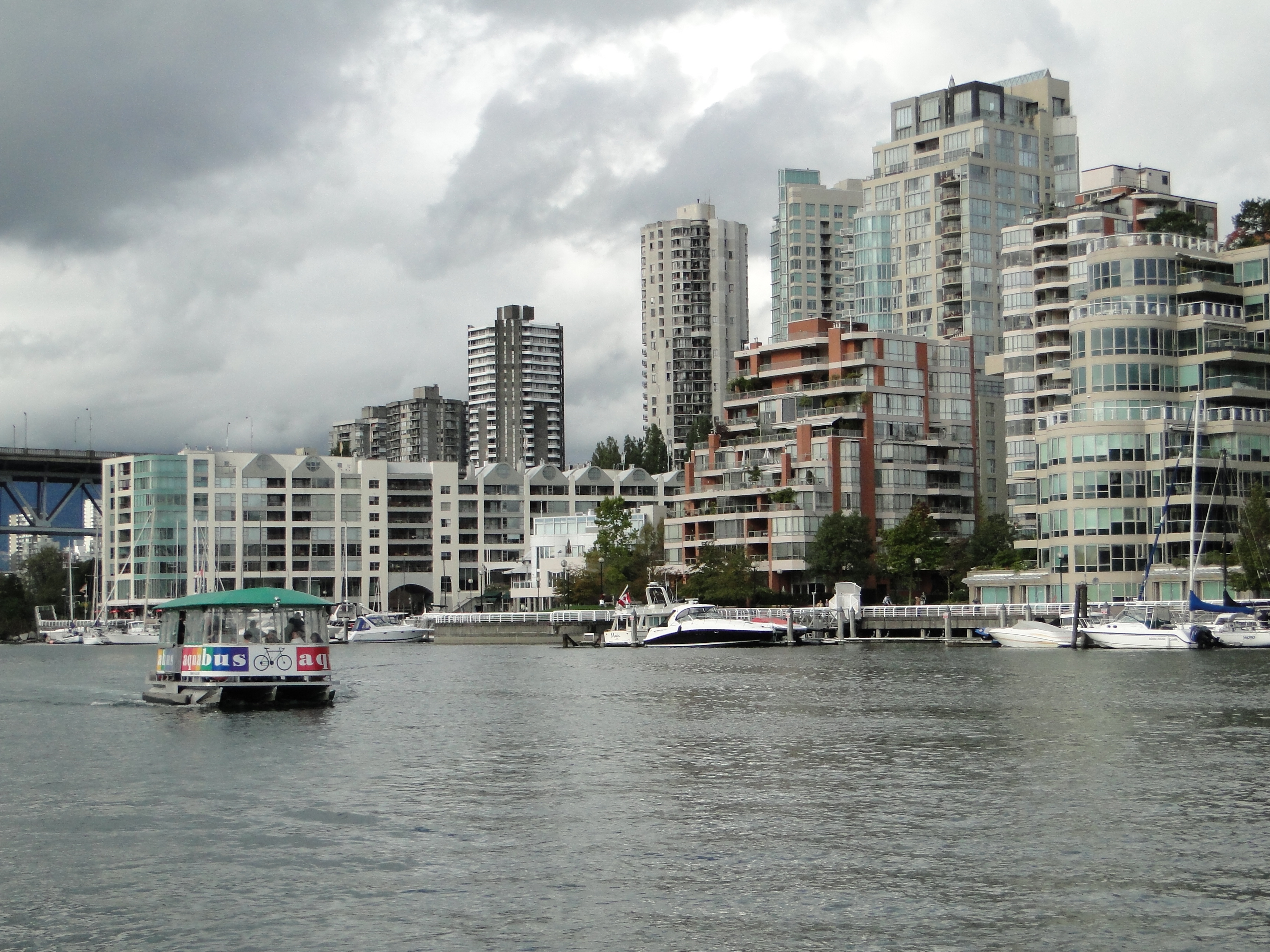
Granville Island, situated in False Creek between Downtown and South Vancouver, was once an industrial center. After years of decline and neglect, it was revitalized a couple decades ago into the cultural/shopping/tourist/entertainment district of the city – beloved and much frequented by locals. The stunning Public Market (see next blog) is the major draw for locals, as well as mediocre restaurants, the excellent Arts Club Theatre of Vancouver, the Emily Carr University of Art & Design, trendy shops,  the best seafood stores ever (!!),  an entire toy store mall and park devoted to children and terrific buskers (licensed street performers).  Sandwiched between the Island and Downtown is an enormous yacht harbor, reminding you that water surrounds.  Nearly every structure is a renovated industrial building and one old company, a cement plant, still operates on the island. A small, unique collection of multi-million dollar floating houses line False Creek  east of the cement plant.   

floating houses of Granville Island


Just over the Burrard and Granville Bridges, and opposite Granville Island, is South Vancouver. At first it seems non-descript as one views the vast Molson brewery and a rather stark, treeless commercial district until you pass row upon row of car dealerships – Lamborghini, Lotus, Mercedes, BMW, Lexus, Bentley (not a Chevy or Ford in sight). Rising quickly up forested hills are modest houses and low-rise condos giving way to ever larger water front/view residences – everything with starting prices in excess of one million dollars. The reason for a tourist to visit South Vancouver is to walk around the spacious University of British Columbia campus and spend at least half a day at its stunning Museum of Anthropology (sorry, you’ll have to read my next blog). UBC’s MOA is a reason in itself why a traveler must visit Vancouver!!   

The Museum of Anthropology


Vancouver has an excellent and inexpensive public transportation system which, oddly enough, the official tourism department seems reluctant to advertise or supply any information on its workings. I believe the tourism officials want to promote the excessively expensive taxis in the city. (Do not take taxis unless you absolutely must!) The system, Trans Link,  includes buses, subway and elevated (the Sky Train). They are integrated but, given the lack of support by tourism officials, they require a learning curve – in my case, three days. First I used the system’s web site trip planner until it proved as unreliable as just about any other one I’ve ever used (first bus trip using the site left me off two miles from my destination.) Then I realized, “I’m in Canada!” The bus drivers have to be genetically friendly!! And they were!!!  All I had to do was ask, and I got more information than I needed. With that knowledge, I discovered the real neighborhoods of Vancouver – once more ignored by tourism officials.   

Commercial Drive & Main Street Districts


The Commercial Drive and Main Street Districts, east and north-east of Downtown, were once, and somewhat still are, the non-British European “Little Italy, Little Portugal, etc.” working class neighborhoods of Vancouver. Not as pristinely scrubbed as Downtown or the South side with a mixture of dollar stores, small businesses and streets lined with Craftsmen houses that make a lover of this architecture well up with tears of joy, this is the Vancouver in which I felt most comfortable. It has not lost its ethnic roots only that most of the old European communities are now Vietnamese, Thai, Pilipino, North African, Middle Eastern and Latino. The mix of languages, store signs, grocery stores and restaurants is dizzying. Historic architectural codes are preserving the extensive streets of early 20th century housing encouraging an influx of professionals, academics, artists and entrepreneurs who can buy/rent the “affordable” housing in the districts – starting prices for single family houses in the $700K and studio apartments in the $700/month range. Community gardens proliferate and Commercial Street in particular is colorful, has a bounty of ethnic restaurants – including well established Italian and Greek – and beautiful views of the Downtown skyline. Main Street is less gentrified and the center for both Asian supermarkets and Vancouver’s antique district (an affordable antique district).   

Despite some misgivings with the expensive glass jungle and overly tourist orientation of Downtown, Gastown and Chinatown, overall Vancouver is a highly livable city – if you can afford it – set on the edge of some of Earth’s most spectacular landscape. Pedestrians rule, with cars – even with fast drivers – dutifully stopping at the pedestrian crossings at nearly every intersection ( violations bring hefty fines). Trash on the streets is non-existent (and no, that’s not an exaggeration!) even though trash cans are not common – people simply do not litter (I know, it’s an unthinkable concept in the USA). Everyone picks up after their dog – if you forgot a bag, public boxes with bags line the extensive landscaped walkways throughout the city (and this is a city where I think it’s obligatory to own a dog). Public art, fountains, gardens and parks proliferate softening the urban reality, and everywhere there is the sea, the forested mountains and the mist shrouded islands.   


NEXT: What to see and eat in Vancouver.

Vancouver…but is it Canada?


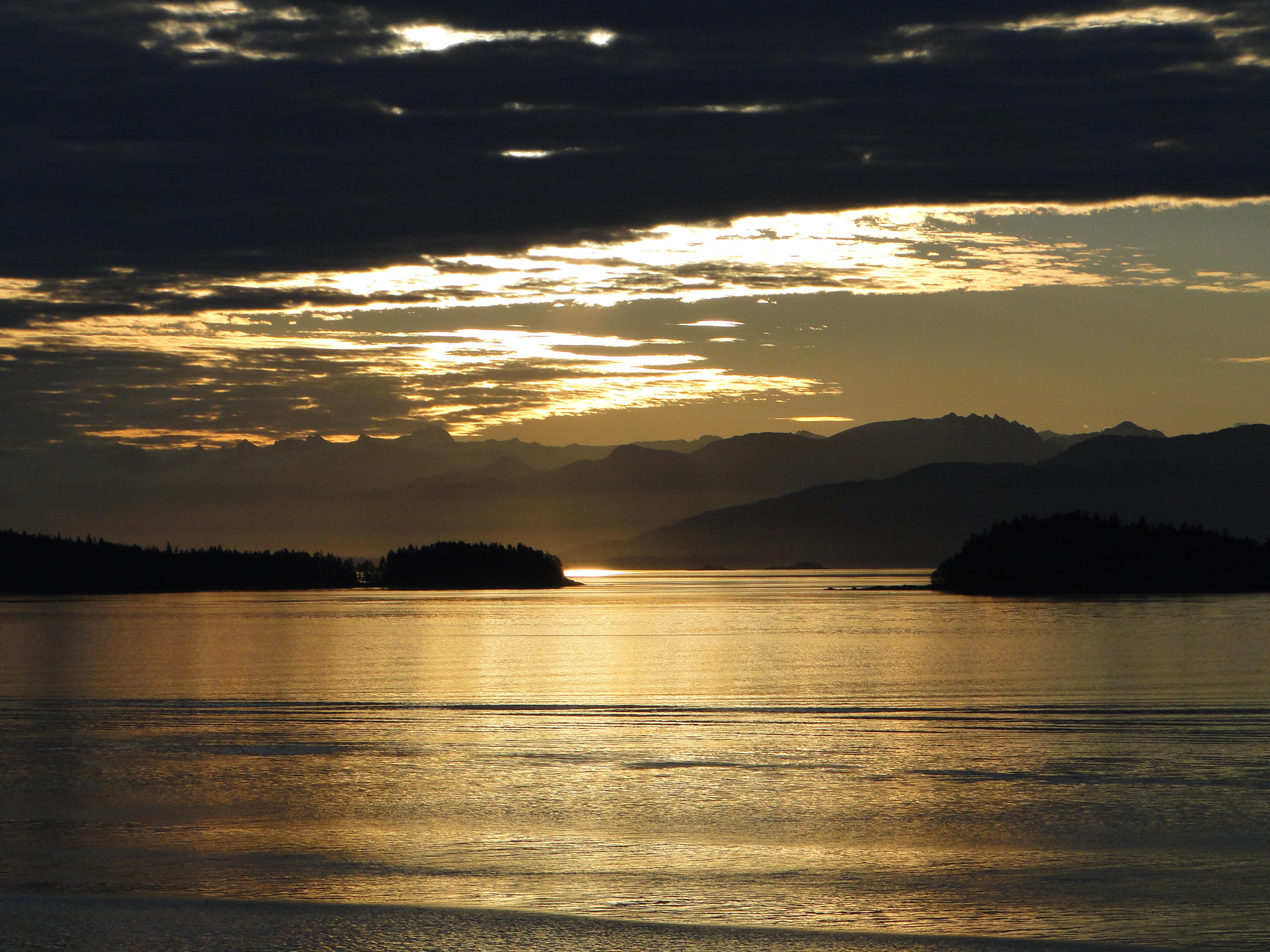
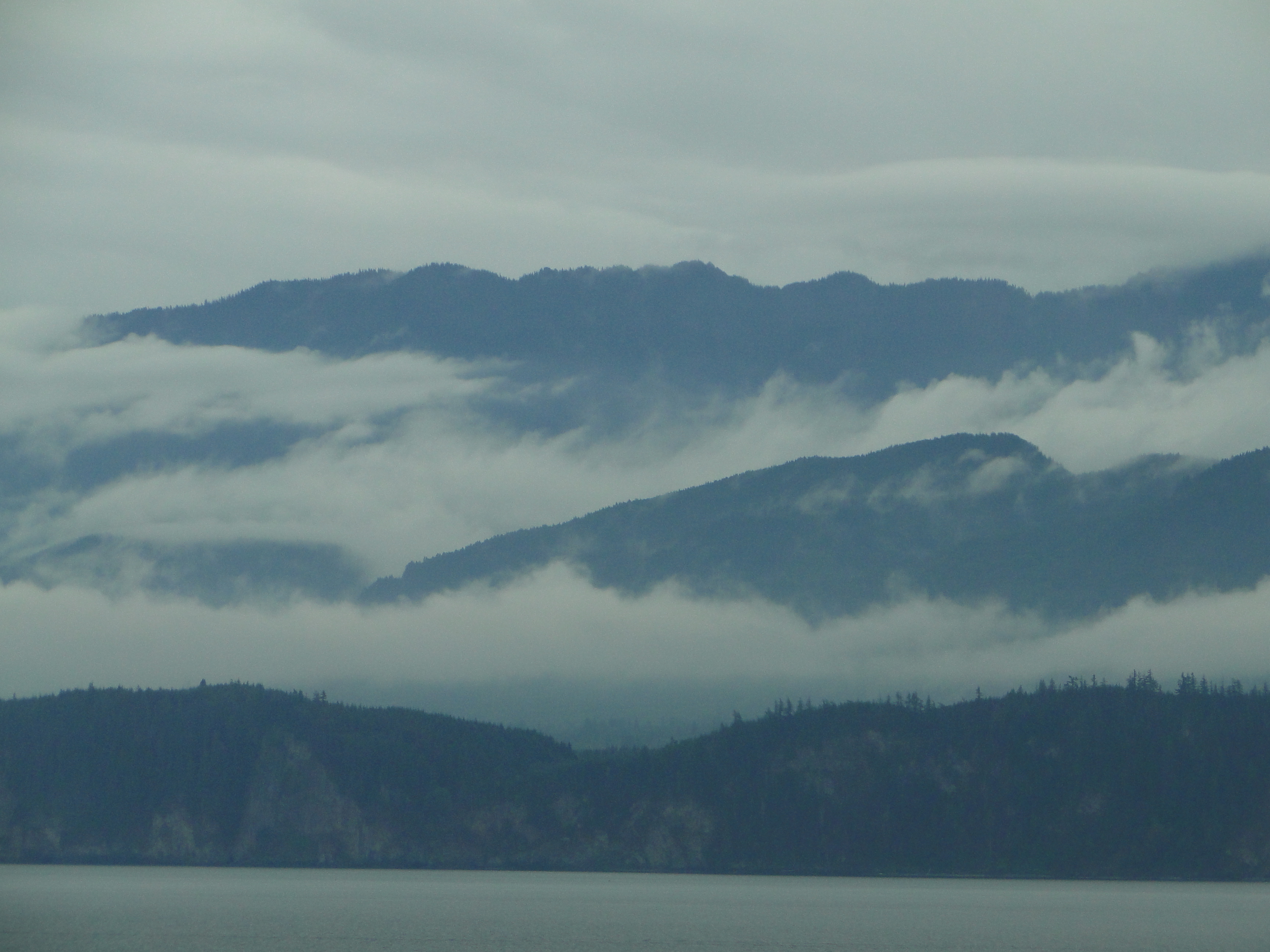
Islands of mist shrouded forested mountains are set in the deep blue waters of English Bay. For 10,000 years, the one-thousand mile unsurpassed natural beauty from Seattle’s Puget Sound through Alaska’s Inside Passage has been home to the Coast Salish, Nuu-chah-nulth, Kwakwakawa’wakw, Tlingit, and Haida among other First Nation cultures. These prosperous, sophisticated societies existed well before Captain James Cook and George Vancouver explored the islands in these waters during the late 18th century.  


Much has changed in the region since that time. The Hudson’s Bay Company, incorporated by British royal charter in 1670, (the virtual government of much of British North America) founded the City of Victoria, 1843, and the City of Vancouver in 1886. The wealth generated by the lucrative fur trade was soon augmented by gold discoveries all along the west coast from California to the Yukon, quickly followed by steam ship trade with the Orient. Yet although Victoria became the capital of the English colony of British Columbia and Vancouver its most important port, both cities remained small Pacific coast outposts reached only by lengthy sea voyages or trans-continental train.  


Flags: British Columbia, Canada, Great Britain


A province of Canada since 1871, British Columbia, and its two principal cities, have always been a bit different than the rest of the nation. Perhaps due to its name being personally chosen by Queen Victoria, its 3,000 mile distance from eastern Canada, its Pacific sea trade and proximity to the USA’s west coast cities, Vancouver, and Victoria, ferociously maintained a British colonial sensibility – High Tea, manicured gardens, half-timbered cottages with Chinese staff and an eye towards the Orient.  

English Bay


Vancouver’s historically diverse population was also different. Just as with its neighbor to the south, westward expansion brought the largest non-British European groups: Irish, German, Scandinavian and Italian. Post World War II brought Eastern Europeans, Greeks and Portuguese – the city has the third largest Portuguese population in Canada. Vancouver’s First Nations citizens number over 11,000 people – 2%.  

By far, the most significant impact on the region’s diversity has always been its location as a major player on the Pacific Rim. By 1890 the small city of 12,000 included 1,000 Chinese residents.  In 2010, Vancouver’s Chinatown was the third largest in North America with 30% of the city of Chinese descent, followed by an additional 17% from Japan, Korea, Southeast Asia and the Philippines. That 47% (250,000 people) makes Vancouver the largest Asian city in North America, but at 4:00 PM the venerable Hotel Vancouver still serves a proper British High Tea.

 Of great significance for both Vancouver’s Asian population and the city’s economy was the near panic that swept over wealthy Hong Kong citizens when Great Britain announced in the 1980’s its plan to hand over the colony to China – following through in 1997. Thousands of new Chinese immigrants flooded Vancouver bringing untold millions in investment capital. The reality, of course, is that the sky did not fall that fateful summer day in 1997, and Hong Kong has continued to be a major force in the booming Chinese economy resulting in ever closer business ties between Vancouver and Asia. For Vancouver’s compact downtown, the result has been its total transformation from low-rise Victorian and Craftsmen cottages to a high-rise, pristinly clean and manicured jungle of gleaming glass condos – all with stunning views of  the water,  mist-shrouded islands and snow-capped mountains.  


By quantity of shipped tonnage, the Port of Vancouver is now the busiest and largest in Canada, and the fourth largest in North America. While forestry still ranks as British Columbia’s largest industry, Vancouver’s sophisticated urban culture, surrounded by nature, makes tourism its second largest industry. It’s also the third largest film production center in North America, earning it the nickname Hollywood North.  

Vancouver is the only North American city ranked in the top ten most livable cities in the world – #4. Couple a healthy economy, natural beauty and a climate considered temperate by Canadian standards, and it’s no wonder Vancouver is a mecca for young professionals, artists, fisherman and retirees. Like Seattle, it does rain, or rather heavy mist, quite often yet the summer months are typically dry, often resulting in moderate drought conditions in July and August. Annual participation is less than 47 inches a year compared to Philadelphia’s 44.  Temperatures average in the 70’s ° F in July and August, with winter temperatures usually in the 40’s-50’s ° F.  

What $1.3 million will buy


Like most cities, especially those created by immigrants, Vancouver is a city of neighborhoods, and today that is qualified as very expensive neighborhoods.  Although much of the original downtown is the aforementioned glass jungle it is not an evening dead zone like Houston. Most of the glass towers are condos where the fortunate are within walking distance to work and play creating a vibrant nightlife. A one-bedroom, 800 square foot condo costs from $350,000 to well over $1 million, double that for a two bedroom. Single family houses start in the $700,000 range for a small bungalow – in some neighborhoods that starting price doubles. I saw more luxury cars in downtown Vancouver than in Manhattan.  
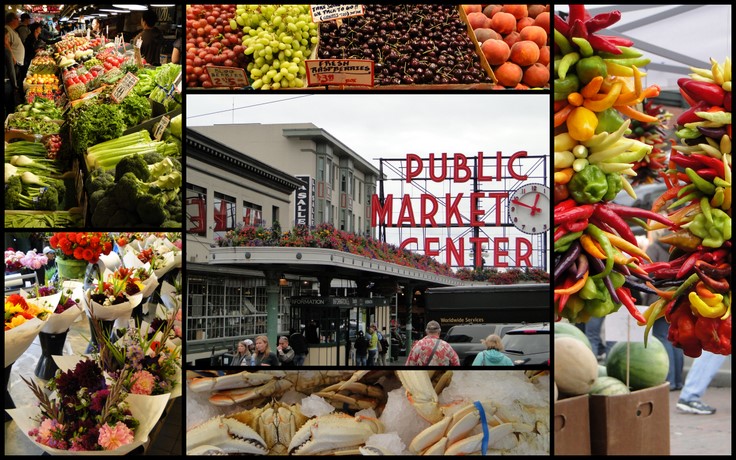
                                           Vancouver is Canada. It’s just different.  
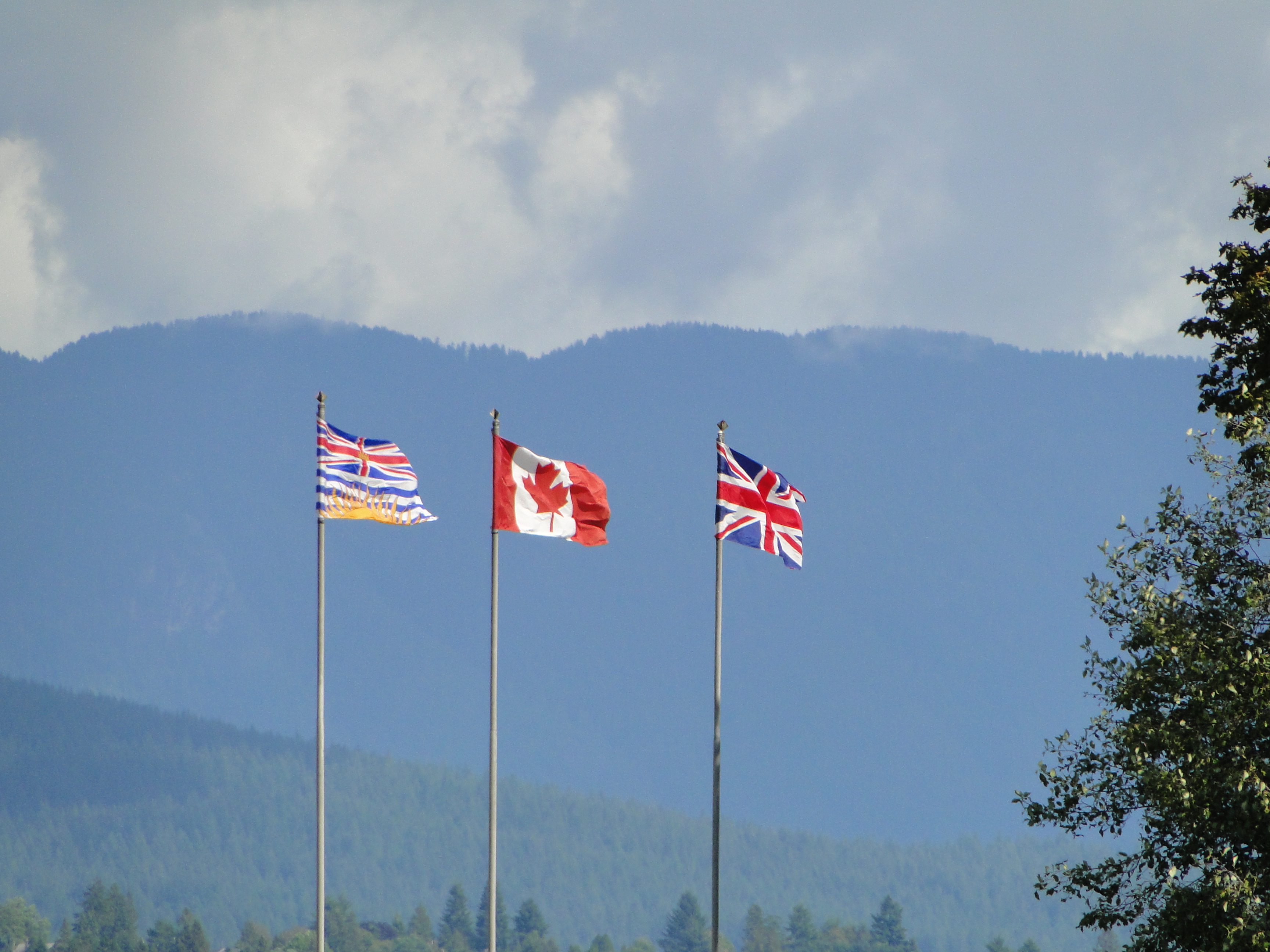
a busker on Granville Island


Next –  Part 2: Vancouver’s neighborhoods.


Seattle: Just a tease

My first time in Seattle. It reminds me of San Francisco, minus the fog. I was not anticipating a city built on hills overlooking the expansive and busy harbor. On first impression, it’s a sophisticated city with a good, inexpensive public transportation system, a young population and no trash on the streets. Although there are as few trash cans on the street as Philadelphia, people do not throw their trash on the street, and I am not just talking about the downtown tourist core. During 10-hours of walking around the city, I saw one Starbucks paper cup on the ground.

The Pike Place Public Market is a food mecca. Despite being a major tourist attraction, the huge enclosed and outdoor market displayed suburb produce, flowers, fish, meats, cheeses and crafts in abundance.

 A wide variety of street performers round out the browsing, eating and entertainment experience.