Tag Archives: recipes

Cajun Maque Choux with Pork Chops

Cajun Maque Choux with Pork Chops

IMG_3261Cajun dishes rank among the most misunderstood regional cuisines in the United States. That’s not surprising since it is part of the melange of cultural influences that make up southern Louisiana – French, Spanish, Native American, African, Caribbean and Central America. Often confused with its spicier neighbor, Creole, true Cajun dishes share similarities but are less complex. IMG_3264Today’s Louisiana Cajuns are descendants of the survivors of the Grand Derangement – the British ethnic cleansing of Acadia, French Canada’s Maritime provinces, in the 1760s which resulted in the death of half the Acadian population. Given refuge by Spanish controlled Louisiana, they settled in undesirable disease ridden bayous and marshes. Liz Williams, Director of the New Orleans Southern Food and Beverage Museum stated, “It is very peasant food; a one pot food…it’s more the practices, the mindset rather than the ingredients” that determined Cajun recipes.
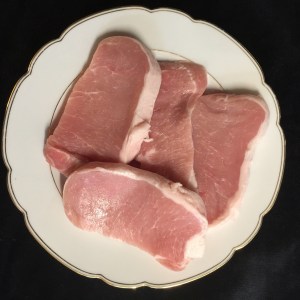
1/2" thick boneless pork chops
1/2″ thick boneless pork chops

Acclaimed New Orleans Chef Frank Brightsen commented, “The roots of Acadian culture are living off the land and that means hunting. The heart of Cajun culture around Lafayette is not coastal. Even in grocery stores you’ll find butchers. The pig is central to Cajun culture…”

pork chops with Cajun seasoning
diced salt pork
diced salt pork

Simple Acadian dishes such as salt cod cakes became impossible in the absence of potatoes and salt preserved fish. Rice became the starch and the abundance of fresh fish, game, alligator and seafood the additions. Rice, shrimp, and peppers replaced potatoes, cod and cabbage, but a basic Cajun meal is still one dish or simply prepared.

minced parsley
minced parsley

What else constitutes Cajun cuisine – and traditional Acadian fare? Anything deep fat fried – alligator and crawfish (not in Acadia) fish fillets, potatoes, corn-on-the-cob, pork chops, rabbit, game, chicken, and shrimp. Crabs, shrimp and crawfish come steamed as well. Lots of carbohydrates accompany a Cajun meal – and an Acadian meal – with rice, potatoes and corn not uncommon on the same plate along with okra and beans.

blanch a tomato in boiling water

The greatest difference separating Cajun and Acadian cooking is spices. Acadian rarely goes beyond salt and pepper although they do use pickled combinations such as chow chow to enliven a meal. Cajun uses spices borrowed from Creole cuisine – a different fusion altogether. Of course world famous Tabasco sauce made for the past century and a half on Avery Island has become a Cajun standard even though its origin is clearly West Indian.

skin easily peels away from blanched tomato

Maque Choux is a classic Cajun side-dish that has elements of both Acadian and Cajun dishes. Most of the ingredients are Native North American – corn and peppers – with pork introduced by European colonists. If you visit Louisiana’s Cajun country you will experience variations including some that add sugar – a later 19th century addition.

diced peeled tomato
diced peeled tomato
Cajun seasoning mix
Cajun seasoning mix

There are many variations on “Cajun seasoning.” It’s basically a mixture of salt, black pepper, cayenne pepper, paprika, garlic, onion and assorted spices. The “assorted spices” are best determined by an internet search. Especially important if you have a salt preference, packaged mixes have varying degrees of salt – both Cajun and Creole cooking love salt – but I prefer less  (more for taste and thirst than health reasons).
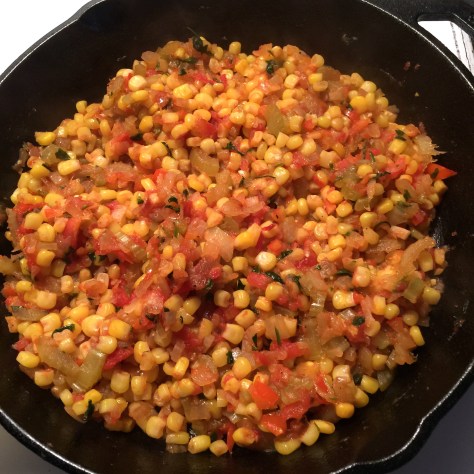
Maque Choux
Maque Choux

Cajun Maque Choux with Pork Chops Ingredients – 2 servings (simply multiply all ingredients for more servings)

for the pork:

  • 4 – 1/2 inch boneless pork chops
  • low-salt Cajun seasoning

for the Maque Choux

  • 1/4 cup small dice salt pork
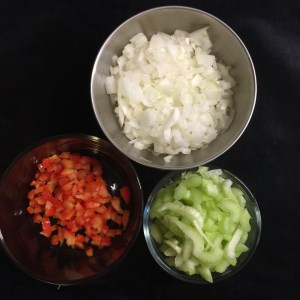
  • 1-1/2 cup diced sweet onion
  • 1 cup diced celery
  • 1/3 cup diced bell pepper – green, yellow or red
  • 1 cup diced, peeled fresh tomato
  • 1/8 cup minced fresh parsley
  • 2 cups corn kernels – cut from the cob or frozen
  • 1-1/2 teaspoons low-salt Cajun seasoning
  • hot sauce to taste (optional)

Preparation:

  1. Rub the pork chops with a thin layer of cajun seasoning and refrigerate while preparing the Maque Choux.
  2. To prepare the peeled tomato: bring a saucepan of water to a boil. Drop a large tomato into the boiling water for 30 seconds (small tomato) to 60 seconds (large tomato as pictured.) Remove the tomato to a cutting board. With a sharp knife make a thin cut around the tomato. The skin will easily slip off with your fingers or the blunt side of a dinner knife.
  3. In a heavy frying pan – preferably cast iron – sauté the salt pork until crispy and all the fat has been rendered. Remove the salt pork with a slotted spoon and discard.
  4. Add the onion and sauté for 2 minutes.
  5. Add the celery and sauté for an additional 2 minutes
  6. Add the peppers, tomato, parsley, corn and Cajun seasoning. Reduce heat and simmer for 15 minutes.
  7. Preheat oven to 250 degrees Fahrenheit.
  8. In an oven proof baking dish spoon some of the Maque Choux to make a bed the size of a pork chop and place the chop to cover half. Overlap the corn and pork for the remaining chops.
  9. Cover with foil and bake for 90 minutes. Remove the foil and bake for an additional 30 minutes.

Serve with rice, a green salad, cold beer or a nice red wine.

salt pork in cast iron pan
saute salt pork
saute salt pork
rendered fat (right) with crisp salt pork (left – discard)
saute onions & celery
add peppers, tomatoes, parsley
add peppers, tomatoes, parsley, corn & seasoning
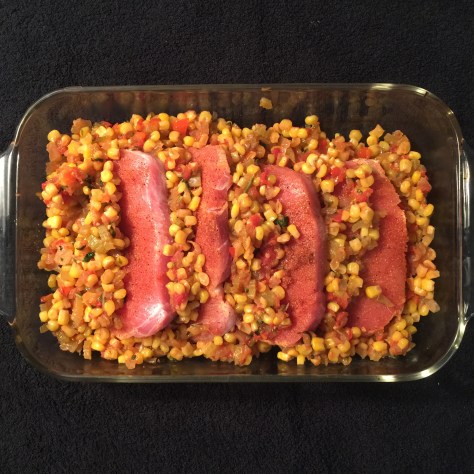
arrange in baking dish overlapping pork and Maque Choux, cover with foil and bake according to directions

You can read all my articles and subscribe to my Examiner columns at:
Hellenic News of America

Original World Insights

Culinary Travel Examiner

 International Dining Examiner

International Travel Examiner

Philadelphia Fine Dining Examiner

Food & Recipes Examiner

Suite 101

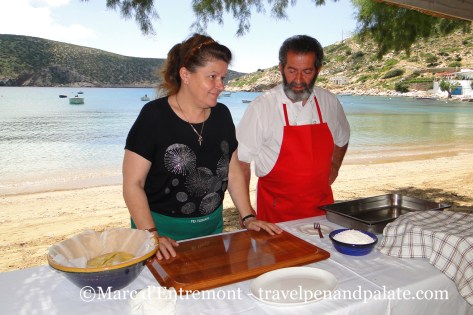
Tsikali Taverna, Sifnos Island, Greece: Tradition


Flora and Nikos Kratzeskaros


a community wood fired oven in Vathi, Sifnos, Greece

A community wood fired oven…producing cheese from goats and sheep from your farm…serving these dishes on the beach mere feet from the Aegean. Welcome to the 21st century Greek style.

ingredients for caper salad

The village of Vathi is a classic beauty. The winding road descends from the hills and one’s first glimpse is the gleaming white buildings clustered in a crescent on a white sand beach in front of the interminable clear aqua water of the Aegean. Read all about Nikos, Flora and Tsikali Taverna at…

Tradition is the norm at Tsikali Taverna on Sifnos Island


Vathi, Sifnos, Greece

You can read all my articles at:

Hellenic News of America

Original World Travel

Culinary Travel Examiner

 International Dining Examiner

International Travel Examiner

Philadelphia Fine Dining Examiner

Food & Recipes Examiner

Summer Recipes: of figs and chutney

Summer:  a time for fresh fruit, vegetables and taking time off from the daily grind. Do something different. Revert to the past when we all made our own and didn’t just buy it ready to eat. Enjoy!

Mango chutney
Mango chutney

The interplay of sweet fruit, astringent vinegar, fresh ginger, savory onions, spices, a bit of hot pepper and rich brown sugar is not only appealing but a great way to use fresh produce as it comes into season.

Read my recipe with additional photos:

Don’t buy chutney, make it yourself


DSC_3106

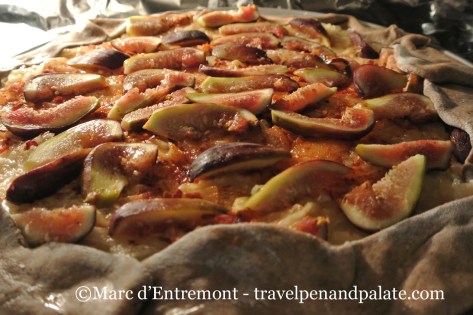
 I like figs and chevre and caramelized onions. Of course who doesn’t like pizza? And summer time is California fig season in the USA. They’re low in calories, high in potassium, not too sweet and hold up nicely when gently cooked.

DSC_3247

By the early 20th century California fig production was second only to Turkey, Greece, Portugal and Spain.

Read my recipe with additional photos:

Summertime Fig and Chevre Pizza


DSC02458

You can read all my articles at:

Hellenic News of America

Original World Travel

Culinary Travel Examiner

 International Dining Examiner

International Travel Examiner

Philadelphia Fine Dining Examiner

Food & Recipes Examiner

Luxe Beat Magazine

Suite101

In the Age of Puddings: Historic English and America Cookery

In the Tudor kitchen at Hampton Court Palace, London, UK

Robert Fitch answered my question, “porridge was the staff of life” for the common person until the 18th century. No wonder working the palace was a coveted job – even for a spit turner.

The Hampton Court Palace kitchen cooked two meals for approximately 600 people daily consuming in one 16th century year 1,240 oxen, 8,200 sheep, 2,330 deer, 760 calves, 1,870 pigs and 53 wild boar.

When porridge was the staff of life: cookery at Hampton Court Palace

A pudding steaming in the hearth at the Thomas Massey House (c.1696) Broomall, PA

Puddings were a major component of the English and American table during these centuries and often served as the foundation of a one dish meal in this age of cooking on an open wood fired hearth.

Clarissa Dillon on the great age of English puddings

Clarissa Dillon, one of the foremost authorities on 16th-18th century English and colonial American cooking, tackles the often confusing interpretations of our shared culinary past.

Dr. Clarissa Dillon
Dr. Clarissa Dillon

I believe both Fergus and Clarissa would agree that a 17th/18th century middle class diet was healthy only if the diner was physically very active, but it’s tasty. London’s Chef Fergus Henderson and Philadelphia’s Dr. Clarissa Dillon have never met yet share a no-nonsense and unsentimental approach towards the diet of their 17th and 18th century Anglo ancestors.

Eighteenth century appetizers from two culinary historians

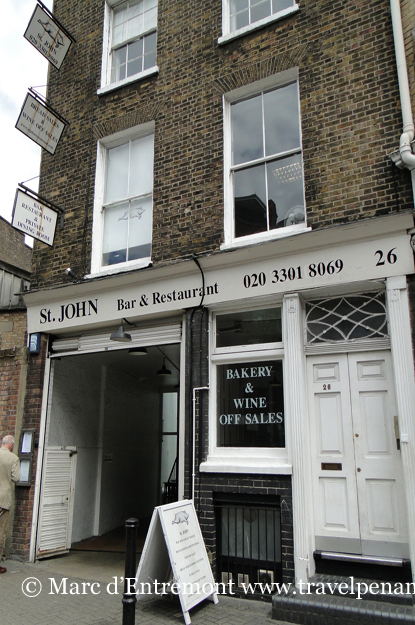
Marrow bones at St. John Bar & Restaurant, London, UK

When St. John Bar & Restaurant at 26 St. John Street, London, was a smokehouse in the 18th century, located a couple blocks from the centuries old Smithfield Market, Hampton Court Palace had a chocolate kitchen catering exclusively to the large royal household.

Chocolate was a London fad when oysters were fast food

King's dining room, 18th century, Hampton Court Palace, London, UK
King’s dining room, 18th century, Hampton Court Palace, London, UK


You can read all my articles at:

Hellenic News of America

Original World Travel

Culinary Travel Examiner

 International Dining Examiner

International Travel Examiner

Philadelphia Fine Dining Examiner

Food & Recipes Examiner

Suite101


St. John Bar & Restaurant, London, UK

Save

Crabs and pineapple – which one is Hawaiian?

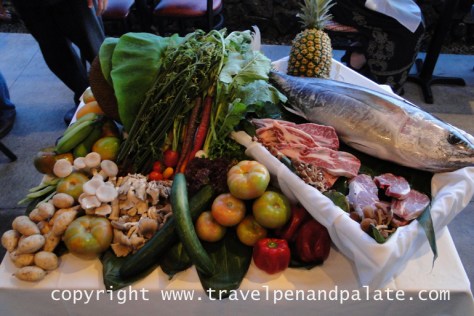
Although crab, mushrooms, mango and pineapple all have tropical associations….

the abundance of Hawaii, at Sam Choy Kai Lanai, Kona, Hi

only crabs and mushrooms are native to Hawaii.

Hamakua Mushrooms, Laupahoehoe, Hi

Pineapple and mangoes, ubiquitous symbols of tropical islands, are 19th century immigrants to Hawaii.

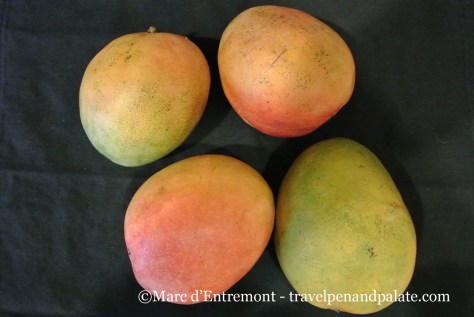
mangos
mangoes

During the past 200 years Hawaii has become an archipelago of diverse cultural influences. All transitions create controversy, but, fortunately, they rarely involve food.

In my recipe, classic crab cakes, made with wild caught Maryland blue crab, are grilled over hardwood charcoal for an island flavor.

Hawaii as a grilled crab cake with oyster mushrooms and mango pineapple salsa

grilled crab cake with oyster mushrooms and mango pineapple salsa


You can read all my articles on Examiner.com at:

Culinary Travel Examiner

 International Dining Examiner

International Travel Examiner

Philadelphia Fine Dining Examiner

and

 Food & Recipes Examiner


Coffee and chocolate and Hawaii and a recipe

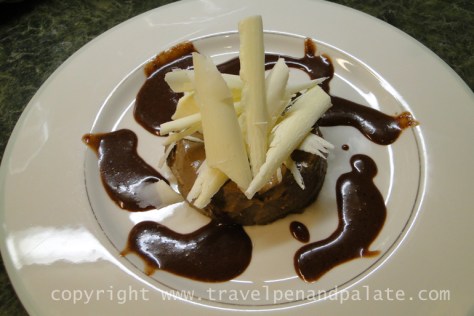
Kona coffee crème with salted chocolate caramel macadamia nut sauce

A recent press trip to the big island of Hawaii inspired me to devise a recipe for

Kona coffee crème with salted chocolate caramel macadamia nut sauce.

With the active encouragement of the Hawaii Regional Cuisine movement and the considerable resources of the Kamehameha School agricultural land use initiative, the future for serious small farmers has rarely been brighter in the islands. With over 300 independent farms growing Kona Coffee and several dozen growing cocoa beans, the future for these Hawaii agricultural products is robust.

cocoa pods at Original Hawaiian Chocolate, Kona, Hi

The Kona Coffee Belt, panoramic Hawaii Route 180, hugs the Kona coast. Several dozen farms, including UCC-Hawaii Kona Coffee Estate and Original Hawaiian Chocolate offer tours and tastings. It’s no surprise that coffee and chocolate pair well together, but their Hawaiian story is just as interesting.

Immigrant fruits, a tale of Hawaii grown coffee and chocolate

the Kona coast from UCC-Hawaii Kona Coffee Estate, Kona, Hi


You can read all my articles on Examiner.com at:

Culinary Travel Examiner

 International Dining Examiner

International Travel Examiner

Philadelphia Fine Dining Examiner

and

 Food & Recipes Examiner


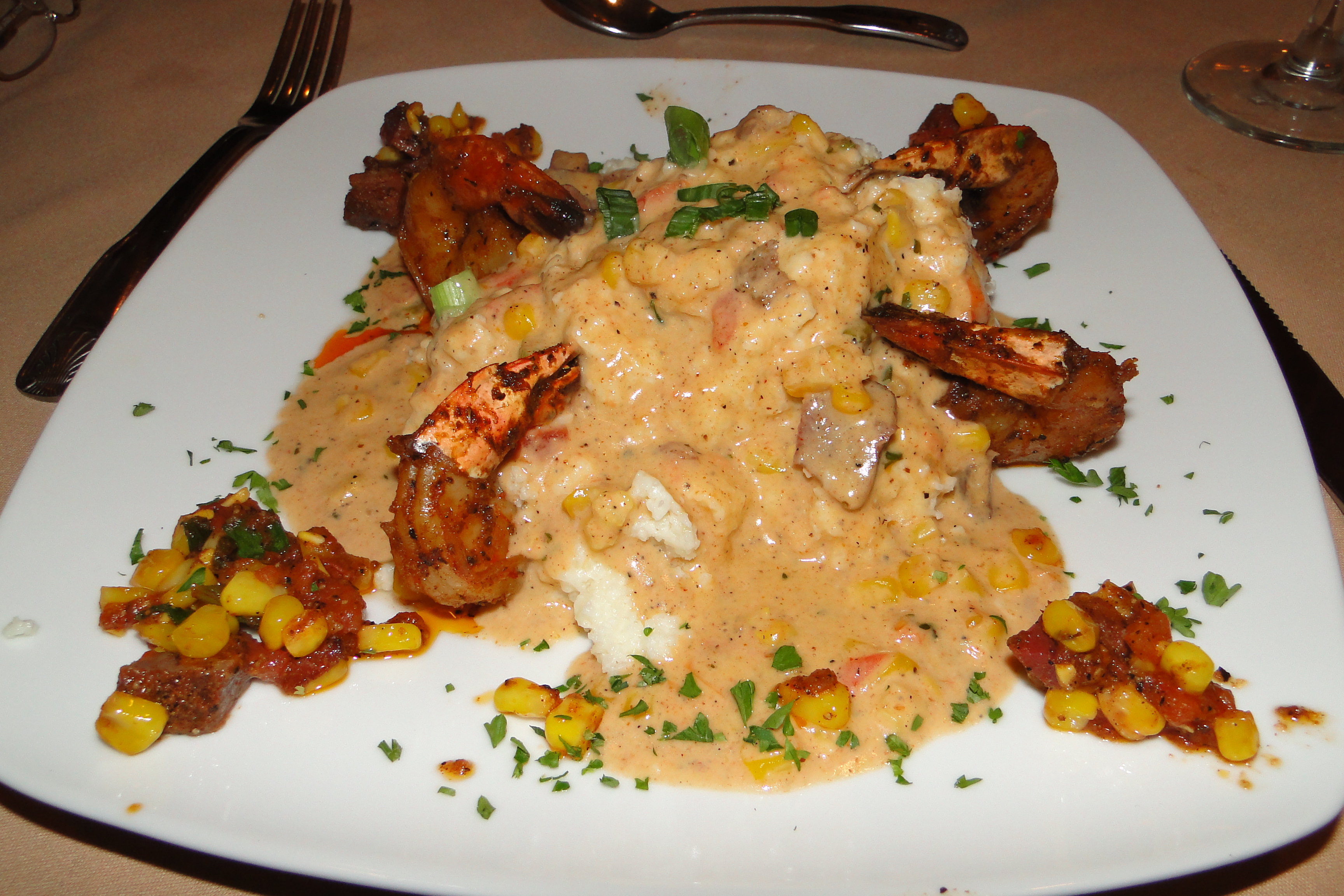
The Best Shrimp and Grits Ever!

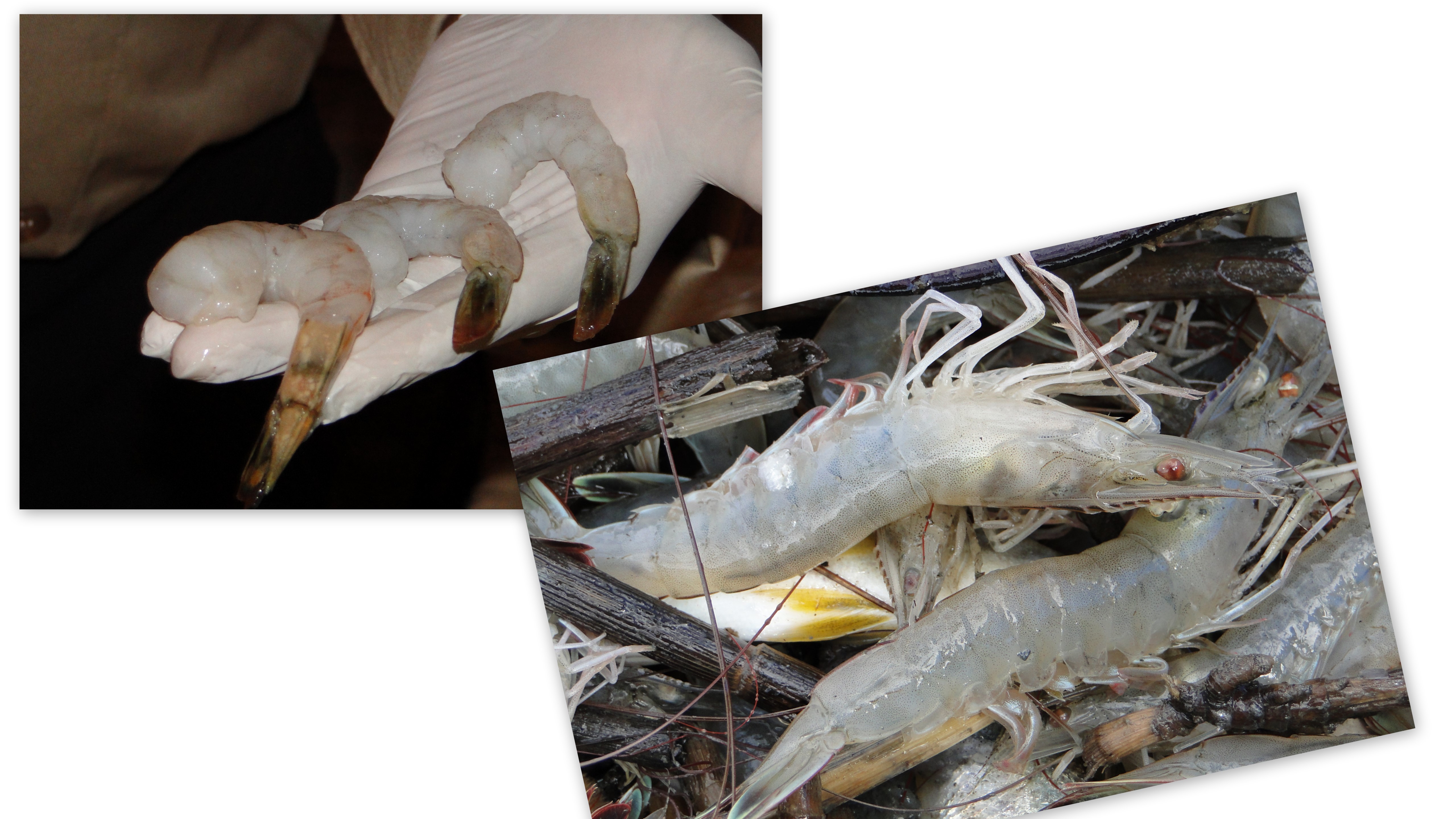
Wild Georgia White Shrimp

King and Prince Shrimp and Grits in a Tasso Cream Sauce

The King and Prince Beach and Golf Resort on St. Simons Island, Georgia, finesses a classic dish served in every southern dinner elevating Shrimp and Grits to a fine dining star.
It was the end of a pleasant sunny early November day in the now quiet off-season of St. Simons Island, one of Georgia’s premiere barrier island destinations. The elegant 1935 King and Prince Beach and Golf Resort, listed on the National Historic Register and Historic Hotels of America, set a table befitting its Old World heritage. The formal place settings with an array of flatware and crystal stemware lay on starched white linen lit by softly glowing candles. The guests are not what the media would identify as royalty or even VIPs. We’re nearly two dozen jaded, or nearly jaded, travel and food journalists – critics to the core.

Southern Culinary Traditions

We were the guests of The King and Prince. Our four day tour to explore the culinary traditions of southeastern Georgia was organized by Leigh Cort Publicity. Such media trips involve a considerable amount of activity, not the least of which is eating and drinking. To make an impression worthy of an article the fare has to be more than just free.

Tradition versus an Old Standby

Personally my foodie radar was picking up more an old diner standby rather than a fine tradition when the itinerary indicated that dinner would include a Shrimp and Grits cooking demonstration. Google any of a dozen recipes and discover everything from bullion cubes to extra sharp cheddar used to mask tasteless farm raised frozen shrimp mounded on top of instant grits. Believe me I’ve had my full of disappointing versions.

Chef Dwayne Austell and Vinny D’Agostino

It took only a moment after entering the dining room for my nose to detect a subtle aroma of warm smoked meat. It was emanating from the chafing dish that was keeping the sauce at serving temperature. I should have guessed that a Johnson & Wales University graduate Food and Beverage Director, Vinny D’Agostino, and Georgia low country native Sous Chef Dwayne Austell would rise above the ordinary.

Wild Shrimp and Tasso Ham

Quality ingredients are essential for a great dish and there is no comparison between farm raised and wild shrimp. Fortunately, much of America’s shrimp is wild and the package will be labeled appropriately. The high tides and lush nutrient rich salt marshes of low country and barrier islands provide an excellent clean environment for Georgia’s abundant shrimp. The Georgia White Shrimp is especially plump, meaty and flavorful. Yet the secret to Chef Austell’s outstanding Shrimp and Grits is the addition of smoky, cured Tasso ham – an essential ingredient in much of southern cajun cuisine. What is actually a pork butt rather than a ham gives the cajun spiced light cream sauce a rich flavor that lingers in the mouth.

The Recipe – for 2 servings

Ingredients:

• 2 cups heavy cream
2/3rd cup diced Tasso ham
1/2 cup fresh or frozen kernel corn
1/2 cup seeded diced tomatoes
4 Tablespoons diced green onions
4 to 6 ounces fresh shelled wild shrimp
2 Tablespoons cajun seasoning mix
1/2 cup grated asiago cheese
salt and pepper to taste
olive oil
cooked grits

Preparation:

First prepare grits using the best recipe I know for Creamy Stone Ground Grits
Add just enough olive oil to lightly cover the bottom of two saute pans and heat over medium setting.
In one pan add the shrimp and cajun seasoning. Saute no more than 5 minutes. Overcooking results in tough shrimp.
In the second pan add the ham and corn and saute for a couple minutes. Add the tomatoes and green onions, combine and saute a few minutes more. Add the heavy cream and asiago cheese. Bring to a simmer and cook for two minutes.
Combine the shrimp and all the pan juices into the sauce.
Serve over the prepared grits.

Wine Pairing

Vinny D’Agostino, a sommelier as well, paired the entree with a nice Georgia Chardonnay from Frogtown Cellars. The minimal acidity of a Chardonnay, preferably unoaked, works well with the creamy sauce. A California or Washington State Chardonnay would be a fine substitute since Georgia wines are not widely distributed.

Even if you’re not dining a few hundred feet from the ocean, this fine recipe from the King and Prince Beach and Golf Resort can conjure memories of warm lazy days under Spanish Moss dripping oak trees and sea gulls laughing overhead.

Save