Tag Archives: travel

Cream of Pejibaye: a Costa Rican national dish

Cream of Pejibaye
Cream of Pejibaye

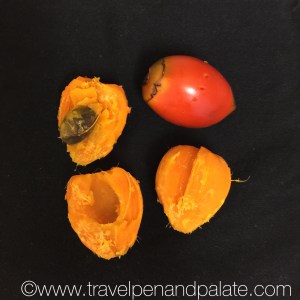
Pejibaye (pronounced pay-hee-by-yay) is the fruit of the Peach Palm tree. It’s indigenous to Central and tropical South America and for centuries has been a staple before and after European invasions in the 16th century. About the size of a plum, the bright reddish orange fruit is packed with vitamins, minerals and carbohydrates and remains wildly popular, especially in Costa Rica.
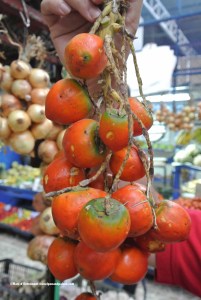
pejibaye on the vine

The Peach Palm tree (bactris gasipaes) not only produces large clusters of fruit for 50 to 75 years but also is a major source for heart of palm that’s favored worldwide. From street vendors to top chefs Costa Ricans adore pejibaye. The thick-skinned raw fruit must be simmered in salted water from one to three hours before eating – it’s difficult to over cook the dense butternut squash like textured fruit.

Costa Ricans enjoy cooked pejibaye as a snack sliced and dipped in mayonnaise and sometimes coated in corn meal and fried. Chef Diego Seitour at Peace Lodge adds thin slices to his incomparable Ceviche Tucurrique of sea bass. Chef Francis Canal Bardot of San Jose’s premiere hotel and restaurant Grano de Oro, features the fruit in its most popular incarnation as cream of pejibaye soup.
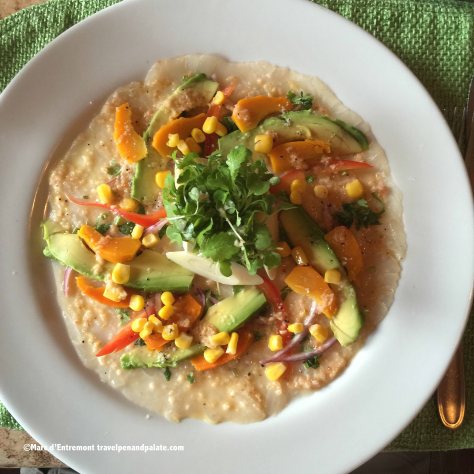
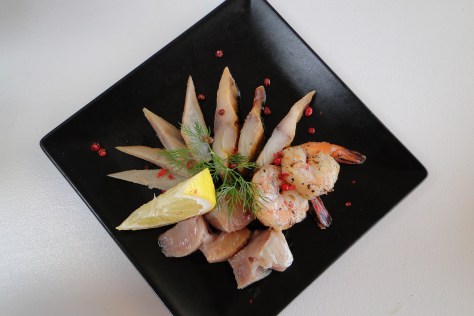
Chef Diego Seitour at Peace Lodge Ceviche Tucurrique of sea bass with garnish of thin slices of pejibaye


pejibaye with mayonnaise
Cooked pejibaye
Cooked pejibaye

The dense texture of pejibaye ideally lends itself to soup. Yet as is common with a national dish, there is no one authentic recipe. The simplest are purees of cooked fruit with onions, water, a little milk and perhaps some garlic and cilantro. Other recipes include chicken or vegetable stock, cream and any number of additions such as celery, bell peppers, butter, carrots, rosemary, thyme and bay leaves.

What I’ve created is in keeping with my culinary belief that a recipe should enhance and not mask the natural flavor of the prime ingredient. I also like the silky mouth feel of adding heavy cream and the depth of flavor from a good chicken stock.

pejibaye
pejibaye

In North America it’s nearly impossible to find fresh pejibaye, even in Latino markets – the raw fruit is little known and perishable. In Florida, where I live, it is available in Latino markets preserved in jars ready to eat – after peeling the skin, splitting the fruit and removing the seed.

Cream of Pejibaye Soup – 4 servings

Ingredients:

  • 12 pejibayes
  • 4 cups of well flavored chicken stock
  • 1 cup of heavy cream
  • 4 tablespoons unsalted butter
  • 1 medium sweet onion, diced
  • ½ cup diced celery
  • 3 cloves of garlic, diced
  • ¼ teaspoon ground white pepper
  • 1 roasted red pepper plus a couple tablespoons cream
  • ¼ cup minced fresh cilantro

Preparation:

  1. If you happen to have raw pejibayes, cover with cold water and add ½ teaspoon salt. Bring to a boil, reduce heat, cover and simmer for at least one hour. Cool enough to handle and peel off the skin with a small sharp knife. Cut the fruit off the seed – the fruit will be dry and easy to separate from its seed. If you’re using ready to eat pejibayes in a jar, drain, rinse in cold water, peel and slice.
  1. Preheat the oven to 400° and place the whole red pepper in a small baking dish. Roast the pepper for 30 to 40 minutes, turning every 10 minutes, until soft and the skin is slightly brown. Remove the pepper to a small bowl, cover and let cool. When cool enough to handle slip off the skin, remove the seeds, slice in strips and set the roasted pepper aside.
  1. Melt the butter in a heavy four quart saucepan.
  1. Add the diced onion and celery and cook over medium low heat until the onion is soft, transparent but not browned. Add the garlic and cook for two additional minutes.
  1. Add the sliced pejibayes and chicken stock. Raise the heat and bring to a boil. Reduce the heat and simmer for 30 minutes.
  1. While the soup is simmering, heat the heavy cream in a small saucepan over low heat just until small bubbles appear in a ring around the pan. Add the cream and white pepper to the soup and turn off the heat.
  1. Puree the soup with an immersion blender or transfer in batches to a blender and liquefy – I prefer using an immersion blender directly in the pot.
  1. Puree the roasted red pepper in a blender or with an immersion blender adding just enough cream to make a smooth sauce.
  1. Ladle the soup into bowls, garnish with a flourish of red pepper puree and a sprinkle of cilantro.
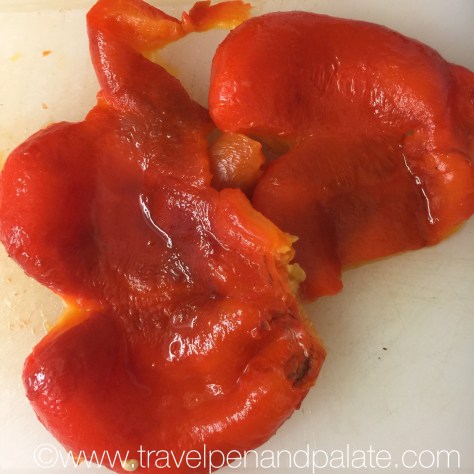
Roasted sweet red pepper, skin & seeds removed to be pureed with cream

There are conflicting Internet statistics on the caloric content of pejibaye. The calorie counts on sites range from an outrageous 1,100 calories per fruit to a low of 56. On the jar of prepared fruit I’m using the nutritional label indicates 190 calories for three pejibaye – 65 per fruit. Considering the fruit is not sweet, I find it difficult to believe any higher figure. Regardless, it’s an easy, nutritious and flavorful national icon of beautiful Costa Rica – ps: and farm animals love pejibaye.

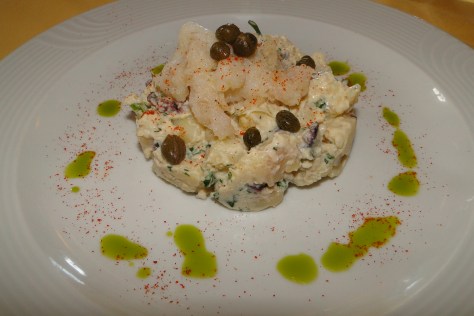
Chef Francis Canal Bardot cream of pejibaye soup, hotel and restaurant Grano de Oro, San Jose


Disclaimer: The author was a guest of Peace Lodge – La Paz Waterfall Gardens,  Hotel Grano de Oro, Small Distinctive Hotels, ENroute Communications and Revista Ander de Viaje. Special thanks to my guide throughout my stay in Costa Rica Mauricio Aymerich, director Small Distinctive Hotels. Transportation within Costa Rica was provided by Toyota Rent a Car of San Jose. A Rav4 made Costa Rica’s mountain roads, especially the few unpaved, safe and comfortable.

Additional articles on Costa Rica by Marc d’Entremont:
It begins with scented hand towels
Cuna del Angel is discretely gluten-free in Costa Rica
Monteverde Biological Reserve is a climate change laboratory
Costa Rica and the vision of Pedro Belmar


You can read additional articles by Marc d’Entremont at:

Hellenic News of America

Original World Insights


Save

Save

Save

Save

Save

Save

Save

Save

Monteverde Biological Reserve is a climate change laboratory

Giant Helicopter Damselfly

Costa Rica is a landmass equal to 0.03% of the Earth, about 20,000 square miles – the size of Vermont – but accounts for 5%-6% of the globe’s biodiversity. Yet within the Monteverde Biological Reserve, a mere 55 square miles, exists half of that diversity. Among its residents are 700 bee species, 10% of the world’s butterflies – 24,000 species – 300 species of mammals, 12,000 plants including 500 orchids, 360,000 insects, 75,000 mushrooms, 1,100 species of ferns and 915 species of birds, including 91 from North America that live in the reserve only during mating season.

One of 54 species of hummingbirds

“It’s never happened before,” says Giuliano Salazar Gigli. That was a surprise statement. Giuliano is one of the Monteverde Biological Reserve top naturalist guides. His life has been committed to the preservation of over 35% of Costa Rica’s biosphere. “We’re using the water in a bad way. If we can collect it in the rainy season we can make it through the dry months.”

A flowering palm branch turned red to attract pollinating insects

I’m eating breakfast at La Casona, the lodge in the Monteverde Biological Reserve,  gazing out at greenery so lush and thick I can barely see six feet into the Cloud Forest. Yet as Giuliano explains the amount of annual rainfall, 138 inches, remains the same. The change is in its pattern.

There are more dry days in the Cloud Forest than in the past – 96 in 2015. In the town of Monteverde, the eco-tourism center for this region of the Cloud Forest, there are water restrictions from noon to 3:00 p.m. Fortunately, Giuliano assures, that doesn’t affect hotels or restaurants since most have constructed their own water collecting systems.

Looking up to the Cloud Forest canopy

Yet a cloud forest thrives on mist. In a rain forest the precipitation is heavier in that it tends to occur in steady downpours, but a cloud forest is dependent on heavy mist – like a fog – to be captured by the thousands of ferns and air plants that make up the canopy. The precipitation is nature’s drip irrigation system slowly watering plants. That slow drip captures seeds, eventually making their way to the forest floor for germination.

The structure of the Cloud Forest is a prime example of the symbiotic relationships among nature that preserve our Earth. The density of vegetation growing on top of each other is essential. On one soaring tree alone, the weight of all the plants living on that tree exceeded 200 tons and included 150 species of plants among them 70 species of orchards.

Giuliano stressed it’s a misconception to assume these plants smother the tree – with the exception of the strangler fig which eventually encases its host yet provides an architecture to support the diversity. Air plants are not parasites. They do not rob the host of nutrients; they simply use them as a structure. There’s only one parasitic plant in all the cloud forests – mistletoe.

Symbiotic plant growth in the Monteverde Biological Reserve , Costa Rica

Costa Rica preserves 35% of its landmass as either national parks or private reserves, more than any other nation on Earth. This natural beauty attracts hundreds of thousands of visitors annually. Yet it has become the world’s laboratory for studying the effects of global climate change. Currently Dr. J. Alan Pounds, resident biologist at the Monteverde Biological Reserve, and the University of Georgia are conducting advanced computer studies on climate change within the Cloud Forests that will result in significant data.

One of 1,100 species of ferns in Monteverde Biological Reserve

“The winds are changing,” Giuliano explains. “It’s becoming windier – they clean the sky and dry it out. Deforestation in the coastal lowlands has altered wind patterns causing (higher velocity) winds that push clouds up and away from the mountain forest treetops.” This has diminished the gentle clouds that mist the Cloud Forest and affected the behavior of its wildlife.

Giuliano says there are possibly four jaguars living in the reserve – an extremely endangered and ultra shy species of cat. Yet in the past year the cats have killed 15 goats at night on farms – proof caught on film. This is unusual and indicates that the natural food supply in their habitat and the habitat’s size are diminishing, forcing the jaguars out of their usual secluded environment and closer to the source of people food.

That may be an extreme example but a more subtle effect can be found on the germination of the Cloud Forest avocado. Figs and avocados are essential food sources for forest mammals and birds. The avocado especially is dependent on the magnificent quetzal.

Female quetzal – possibly only 20 living in the Monteverde Biological Reserve

The feathers of the quetzal were prized by the ruling class of ancient Central American civilizations. Their plumes were harvested only from feathers that had naturally dropped onto the forest floor. Unfortunately European settlers after the 16th century conquest were not so patient, hunting the quetzal nearly into extinction while diminishing their natural environment.

Avocado seed, Monteverde Biological Reserve

It’s estimated there are only 300 quetzals in Costa Rica out of 900 total in Central America with perhaps 20 living in the Monteverde Biological Reserve. The quetzal enjoys avocados, but more important to the ecosystem, they enjoy their small seeds. For the avocado seed to germinate it must be swallowed by the quetzal and deposited through their digestive system on the ground – nature’s symbiotic relationship.

The over 90,000 annual visitors to the Monteverde Biological Reserve walk pristine trails on the 3% of the reserve open to the public. They experience a prime example of what can go right in the world when concerned citizenry, a committed government and the resources of the international scientific community work in harmony.

For me listening to Giuliano identify dozens of unseen birds by their sounds, getting a glimpse of the rare quetzal, explaining the cooperative layers of vegetation down to beautiful blankets of white mushrooms digesting fallen fauna that revert back into life giving soil was the experience of what the world can be in the absence of human conflict with nature.

Giuliano Salazar Gigli (left) & Mauricio Aymerich (right) director Small Distinctive Hotels

When you go: The town of Monteverde attracts over 250,000 annual visitors and is a center for ecological and adventure tourism. Juan Santamaría International Airport (SJO) is served by many airlines worldwide and is within an easy 20 minute drive of downtown San Jose and 3 hours to Monteverde.

Getting around: Costa Rica has an extensive inter city bus system and many tourist van options. The easiest transportation is renting a car. Costa Rica’s road system is generally in good condition.

Where to stay: There are of number of accommodations from luxury hotels to hostels in Monteverde. I highly recommend:

Hotel Belmar (main building), Monteverde, Costa Rica

The Hotel Belmar, a member of Costa Rica’s Small Distinctive Hotels, is an ecological and culinary tour de force.

La Casona inside the Monteverde Biological Reserve

La Casona inside the Monteverde Biological Reserve is an attractive bed & breakfast lodge with both private rooms and hostel bunk bed accommodations.

Disclaimer: The author was a guest of Hotel Belmar, Small Distinctive Hotels, ENroute Communications and Revista Ander de Viaje. Special thanks to my guide throughout my stay in Costa Rica Mauricio Aymerich, director Small Distinctive Hotels, and Giuliano Salazar Gigli for his excellent tour of the Monteverde Biological Reserve. Transportation within Costa Rica was provided by Toyota Rent a Car of San Jose. A Rav4 made Costa Rica’s mountain roads, especially the few unpaved, safe and comfortable.

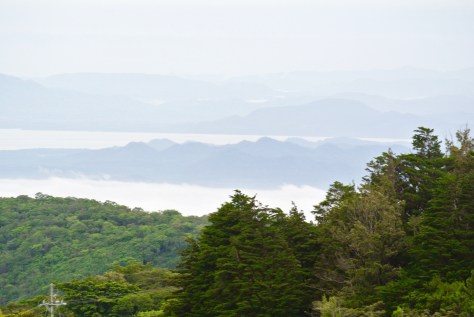
Gulf of Nicoya from the Hotel Belmar, Monteverde, Costa Rica
Additional articles on Costa Rica by Marc d’Entremont:
It begins with scented hand towels
Cream of Pejibaye: a Costa Rican national dish
Costa Rica and the vision of Pedro Belmar
Cuna del Angel is discretely gluten-free in Costa Rica
You can read additional articles by Marc d’Entremont at:

Hellenic News of America

Original World Insights


Save

Save

Save

The city cigars built on Tampa Bay

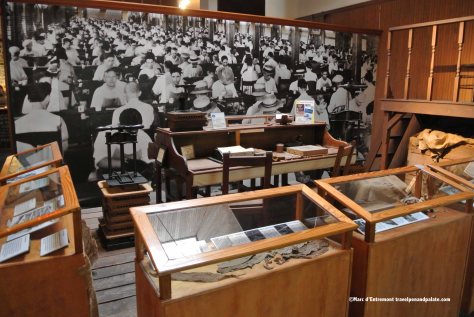
Ybor City Museum, Tampa, FL

In a few square miles parcel of former Tampa marshland over two hundred cigar factories, manned by thousands of immigrant workers, were hand rolling half a billion cigars annually by the 1920s.

casitas
casitas

The fortuitous arrival in the 1880s of Spaniard Vicente Ybor turned a marshland into the cigar capital of the world and created a cultural phenomenon.

read more…

Cigars, Tampa and the revival of Ybor City


The Spanish Social Club, Ybor City


You can read all my articles and subscribe to my Examiner columns at:

Hellenic News of America

Original World Insights

Culinary Travel Examiner

 International Dining Examiner

International Travel Examiner

Philadelphia Fine Dining Examiner

Food & Recipes Examiner

Florida life before air conditioning

McMullen-Coachman Log Cabin (1852)

IMG_0642Other than the already centuries old Spanish domains in the north and the panhandle, south of St. Augustine Florida in the early 19th century was a land of bayous, forests, gators and mosquitoes. Fortunately, Florida’s still that way in some places.


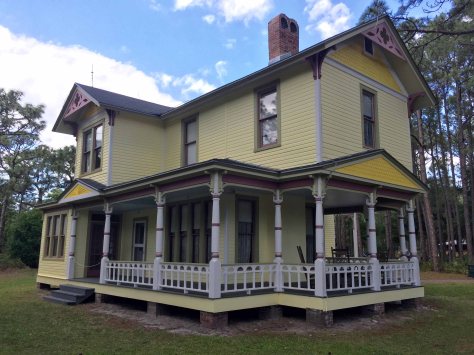
The House of Seven Gables (1907)

Yet by the 1890s the Tampa Bay/Clearwater/Pinellas County Gulf of Mexico shore had been discovered by affluent Americans traveling by the new railroads that opened Florida. Their vacation homes would reflect the styles of the day from simple cottages to Edwardian mansions and Craftsman houses.

DSC_4894

Over two dozen historic structures – and growing – comprise the the 21-acre Pinellas County Heritage Village representing Florida life from the mid-1800s to the outbreak of the Second World War. You can continue the story at…

From tiny to grand at Pinellas County Historic Village


H.C. Smith Groceries (1915)


You can read all my articles and subscribe to my Examiner columns at:

Hellenic News of America

Original World Insights

Culinary Travel Examiner

 International Dining Examiner

International Travel Examiner

Philadelphia Fine Dining Examiner

Food & Recipes Examiner

A glimpse at the Hashemite Kingdom of Jordan

Muhammad, Elder of his Bedouin family in Wadi Fayan, Jordan

The Hashemite Kingdom of Jordan may be less than a century old, but like many Bedouins, the Hashemite family share histories stretching back to biblical times.

The Wadi Rum, Jordan

For millenniums the river valleys, highlands and  vast deserts of the Cradle of Civilization were the epicenter of the legendary, lucrative and infamous caravan trade linking Asia with the Mediterranean world. In an age before GPS pictographs were road signs directing caravans that could include up to 700 treasure laden camels.

Travel guide Mohammad Qamhiya explaining pictographs in Wadi Rum, Jordan
Canyon (Siq) entrance to Petra

One enterprising tribe, the Nabataeans, carved the city of Petra (300s B.C.E. – 800s A.C.E.) into sandstone cliffs and created the wealthiest financial center in the ancient world. With only one public entrance at the end of a lengthy, towering, narrow,  canyon road, the Nabataeans made Petra immortal.

Al Khaznch, popularly known as the Treasury, Petra


Ready for ? & fuses with the ancients


part of the Oval Colonnade, Jerash, Jordan

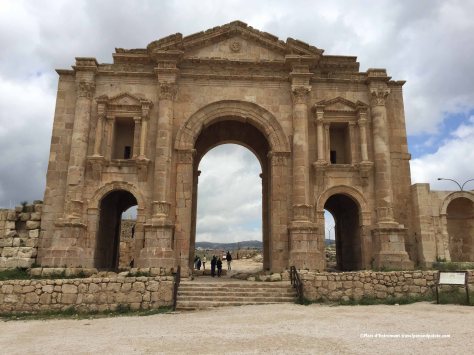
Coupled with its commercially strategic position,  the Jordan region had been fused, either through mutual interest, religion or conquest, with the great powers of the day from Greece to the Ottomans. The Greco-Roman city of Gerasa, founded by Alexander the Great (331 B.C.E.) and continuing as a major city within the Roman Empire,  is one of Jordan’s archeological gems.  Heavily damaged by earthquakes in 749 A.C.E., the city continued, and the remarkably preserved site is surrounded today by Jordan’s modern city of Jerash.


Triumphal Arch of Hadrian, Jerash, Jordan
Site at which John the Baptist baptized Jesus of Nazareth, Jordan River: (left bank) the Hashemite Kingdom of Jordan, (right bank) Israel

The Jordan River of biblical fame still defines a land that has stirred great passions in human history from Moses to today’s conflict concerning the West Bank. People that share an ageless  history are divided by a thin, slow moving stream of brown water.


Present day Christian baptisms, right bank Jordan River (Israel).The site at which John the Baptist baptized Jesus of Nazareth is shared by Jordan and Israel but divided in half.
Present day Christian baptisms, right bank Jordan River (Israel).

Jordan’s storied history has created a legendary cuisine with variations of many dishes it shares with Spice Route neighbors. From breakfast to late night dinner a bounty of mezze (small plates) to aromatic wood grilled lamb and Bedouin ash bread baked in hot sand will be but a few of the dishes in a culinary repertoire as vast as the Kingdom’s deserts.

a mezze "buffet" at Sufra Restaurant, Amman, Jordan
a mezze “buffet” at Sufra Restaurant, Amman, Jordan
fishing in the Red Sea, Aqaba, Jordan

For the modern traveler there has never been a better time to enjoy hospitality as stunning as Jordan’s natural beauty. Despite surrounding turmoil, the Hashemite Kingdom of Jordan enjoys peace  within its borders and goes to great length to ensure security for its citizens and visitors. Tolerant and democratic Jordan allows the 21st century  traveler a rare glimpse at the entire history of the Cradle of Civilization from iconic archeological sites, ageless Bedouin lifestyles, the roots of modern cuisine, phenomenons of nature, accommodations from Bedouin tents to the heights of luxury and even newborn  baby camels.

Mother & newborn camels, Wadi Rum, Jordan
Captain Desert Private Wadi Rum Camp, Jordan
 Kempinski Ishtar Hotel, Dead Sea, Jordan
Kempinski Ishtar Hotel, Dead Sea, Jordan
enjoying a hooka, Aqaba, Jordan
Discover Jordan for yourself.
Dead Sea sunset from the Kempinski Ishtar Hotel, Jordan

Follow Travel with Pen and Palate’s articles on Jordan:

The historic beauty of Jordan

Four serene destinations in timeless Jordan

Not all Jordan almonds are Jordan Almonds

Petra and pizza fuses Jordan with the ancients


(disclaimer: author was a guest of Jordan Tourism Board North America )

You can read all my travel and food articles and subscribe to my Examiner columns at:

Hellenic News of America

Original World Insights


Save

Save

Save

Save

Postcards from seven Greek Islands: have fun this summer

Kythnos island
Kythnos island

It is an undeniable cliché that the islands of Greece are firmly part of the great destinations of the world. It’s an extra pleasure to be a guest on one of the lesser known islands, Kythnos.  The island is ideal for tourists who seek tranquility. Five photo perfect villages dot the island and all are easy to reach by car. Their compact size makes them enjoyable to wander on foot. Kythnos being a classic Cyclades mountaintop, driving the roads means going either up or down until on the spine of the island. The panoramic views are spectacular. Read my article in the Hellenic News of America,  Kythnos: small island with a big Greek heart.


Ios Island
Ios Island

Homer chose Ios as his final resting ground. His tranquil burial site on the herb blanketed north hills of the island offers a panoramic view of the Aegean. In the 21st century thousands of young tourist in July and August choose the island for its clubs, resorts, secluded beaches and music scene. Yet even at the height of the summer season and certainly the remaining ten months of the year, the tranquility Homer enjoyed for millenniums is the genuine character of Ios.  my article in the Hellenic News of America,  Slow down on the Greek party island of Ios   tells you how to still have fun!


Paros Island
Paros Island

Flowering shrubs, trees, herbs and succulents blanket the hillsides while clear Aegean water laps Paros Island’s shore. Classic white villages accented with blue are surrounded by soil envied in the Cyclades. Buildings jumble upon one another like blocks and many pre-industrial stone streets are pedestrian only, too narrow for anything more mechanized than a scooter.  Ancient and protected grape vines thrive along with winter wheat, olives, fruit and produce. Please read about Savor culinary and historic Paros Island in the Hellenic News of America.


Milos, Greece
Milos, Greece

From volcanic cooking at Cafe Restaurant Sirocco on the island of Milos to Barriello’s 150-year-old vaulted  basement in ancient Trypiti, the culinary scene in Milos is part of a trend among young Greek chefs to preserve grandmother’s recipes but tweak them for the 21st century. Read about this gastronomic find in the Hellenic News of America in Eating Milos: culinary stars in a Cycladic galaxy


Sifnos Island
Sifnos Island

The steep Sifnos Island hillsides that rise from the Aegean Sea are crisscrossed by dozens of centuries old foot and donkey paths. These tended rock walled paths still connect island towns. With the decline in the use of donkeys, Sifnos tourism promotes them as ideal walking trails, although a hiker will have to make way for goats and the occasional working donkey. This acceptance that both ancient and every day reality still coexist is the unique pleasure of Sifnos, and in the Hellenic News of America find out why Tradition crafts 21st century Sifnos.


Selene's, Santorini Island
Selene’s, Santorini Island

“Selene is zero distance from farm to table,” Georgia Tsara says with a broad smile obviously as pleased with the restaurant’s location on Santorini as she is with this fabled island’s products. The volcano that blew Santorini into history 3,500 years ago is responsible for sculpting the magnificent and photogenic 800-foot cliffs currently topped by some of the most sought after hotels in all the Greek Islands.It’s responsible as well for some products unique in all of Greece, and my article,  A Santorini lunch with Selene’s Georgia Tsara in the Hellenic News of America will guide you to one of the finest meals you’ll experience in your travels.


Alonissos Island
Alonissos Island

Not all Greek islands are similar, just as the mainland is a patchwork of ecosystems. The Cyclades, the tourist mecca of islands in the south Aegean, tend to be dry with low vegetation and whitewashed villages trimmed in blue shuttered windows and doors. Alonissos, located in the central Aegean, is the most northerly of the Sporades islands with towering pine forests tumbling down the rocky cliffs to the sea. They’re more akin to the northern New England coast of the U.S.A. than southern Greece. Discover why Alonissos Island is a floating spoon sweet.


Santorini Island
Santorini Island

You can read more articles by Marc d’Entremont at:

Hellenic News of America

Travel Pen and Palate Argentina

Original World Insights


Contented canines & humans in Mt. Dora, Florida

Alfajores with dulce de leche at Mr. Cebiche Peruvian restaurant, Mount Dora, FL


Peru is not what comes to mind when wandering Mount Dora’s Victorian and Arts & Crafts streets. Yet among the myriad number of restaurants and cafes Mr. Cebiche Peruvian Cuisine is an innovative addition to the town’s American Modern standards.

But its culinary choices are not limited to people. Piglet’s Pantry has been baking all-natural dog biscuits for nearly 20 years.

Piglet's Pantry line of doggy ice cream & decorated birthday cakes
Piglet’s Pantry line of doggy ice cream & decorated birthday cakes

Read more about …

Dog friendly Mount Dora has a Peruvian connection


Historic downtown Mount Dora, FL

You can read all my articles and subscribe to my Examiner columns at:

Hellenic News of America

Original World Insights

Culinary Travel Examiner

 International Dining Examiner

International Travel Examiner

Philadelphia Fine Dining Examiner

Food & Recipes Examiner


A Florida restaurant bakers dozen

Casa Marina Hotel, Jacksonville Beach, FL

Among Florida’s Roaring Twenties grand hotels it seems Al Capone slept in many, including Casa Marina. The mid-1920s Prohibition era was profitable for Florida including Jacksonville Beach. The beachfront Mediterranean Revival club-like Casa Marina, complete with a sprinkler system, opened in 1925 to a high living bi-coastal clientele.

Casa Marina Hotel Penthouse Lounge, Jacksonville Beach, FL

Ninety years later on the deck of the Penthouse Lounge & Martini Bar overlooking the Atlantic’s pounding surf Casa Marina serves a premium Tequila Margareta – without the slushy ice – that I’m confident infamous Al would approve.


Read what intrigued even the big Al to Jacksonville Beach…

Al Capone slept at Casa Marina on Jacksonville Beach


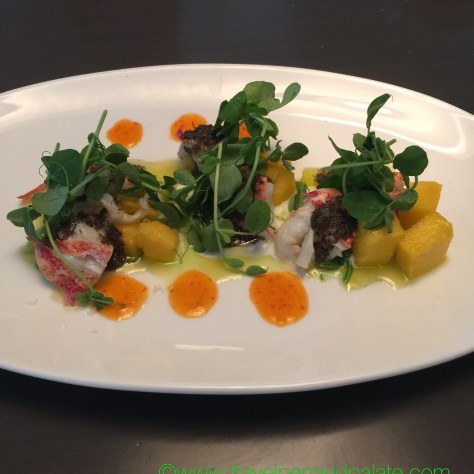
Lobster & Mango Salad, Sea Salt, St. Petersburg

Blessed with Florida’s agricultural and ocean abundance at their doorstep, restaurants in St. Petersburg don’t have to search far for quality ingredients.

Smoked Fish Sandwich, Ted Peters Famous Smoked Fish, St. Petersburg, FL

A relaxed Gulf of Mexico life style and plenty of Florida sunshine draw residents and tourists to a plethora of cafes, fine dining, bars and beach side venues serving traditional fried fish platters to truffled wild mushroom risotto. With an emphasis on independent ownership St. Petersburg chefs have the freedom to experiment or just create the best grilled grouper sandwich on the beach. Here’s a dozen to try in the St. Petersburg area…

A dozen good reasons to eat St. Pete


Maximo Moorings Seafood Shack, St. Petersburg, FL


You can read all my articles and subscribe to my Examiner columns at:

Hellenic News of America

Original World Insights

Culinary Travel Examiner

 International Dining Examiner

International Travel Examiner

Philadelphia Fine Dining Examiner

Food & Recipes Examiner

What you hear in Argentina is startling

Perito Moreno glacier, Argentina

Of all the Hielo Continental Sur‘s 49 glaciers the park’s tourist star is Perito Moreno. It’s located within Parque Nacional Los Glaciares established to preserve a vast region of Patagonia’s unique Austral Andes eco system. It’s accessible in the south from El Calefate – a town with all amenities on Lago Argentino – and in the north from El Chaltan – Argentina’s trekking center.

smoked trout, El Chaltan, AR
Parque Nacional Los Glaciares HQ, El Calefate


Read why Perito Moreno is a Patrimony of Humanity…and why what you hear is startling.

Enjoy summer this winter at the glaciers of Argentina


El Chalten & Rio de las Vueltas river valley, Patagonia, Argentina

You can read all my articles and subscribe to my Examiner columns at:

Hellenic News of America

Original World Insights

Culinary Travel Examiner

 International Dining Examiner

International Travel Examiner

Philadelphia Fine Dining Examiner

Food & Recipes Examiner

St. Petersburg is no longer ‘God’s little waiting room

Rum Fish Grill's lobster ravioli
Rum Fish Grill’s lobster ravioli
Bone Fish Grill's ceviche of scallops, shrimp
Bone Fish Grill’s ceviche of scallops, shrimp

Lest one think St. Petersburg is an example of the old joke that Florida is ‘God’s little waiting room,’ the attendees at September’s Grand Tasting were well under the age of this seasoned culinary journalist. St. Petersburg is attracting residents from a vibrant cross-section of educated world citizens that thrive on the arts, sun, beach, boating and fine food. An explosion of fascinating venues more than satisfies all of these eclectic tastes.

Sea Salt's bubbling panna cotta
Sea Salt’s bubbling panna cotta

With a rapidly recovering economy after the 2008 downturn, St. Petersburg, Florida has established itself as an art and restaurant destination on the Gulf of Mexico coast. Fourteen restaurants and eight wineries are featured in…

Inspiration at the St. Pete Wine and Food Festival


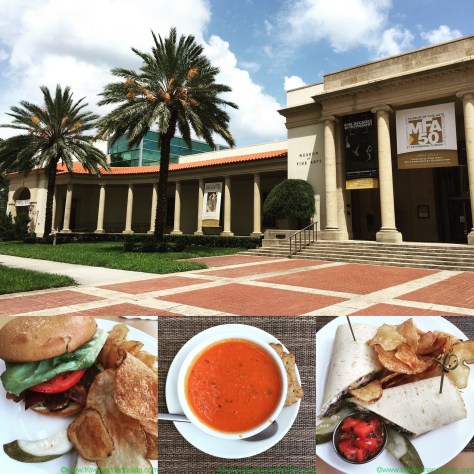
Museum of Fine Arts, St. Petersburg, FL & MFA Cafe

Both the Museum of Fine Arts and the Morean Arts Center are masters at engaging the imagination of visitors whether through first century Roman iridescent glass or discovering the best cupcake artist in St. Petersburg.

Cupcakes as edible art at the Morean Arts Center

Just like fine art, culinary creations can reach artistic heights. The Morean Arts Center has sponsored the Annual Great St. Pete Cupcake Contest for the past five years. It’s an opportunity for the city’s baking artists to be judged by both professionals and the general public. You can read about the region’s burgeoning art scene at…

Cupcakes and fine art in St. Petersburg Florida


North Straub Park, site of SPWFF


You can read all my articles and subscribe to my Examiner columns at:

Hellenic News of America

Original World Insights

Culinary Travel Examiner

 International Dining Examiner

International Travel Examiner

Philadelphia Fine Dining Examiner

Food & Recipes Examiner